
Aspects to consider for a safe home purchase in Costa Rica

Save the articles and properties you like so you always have them at hand.
Create a free account
Buying a home in Costa Rica is one of the most important decisions you can make. However, the process can be overwhelming if you are not clear on what aspects to consider to ensure a safe and successful transaction. In this article, we present a detailed checklist that will help you navigate each stage of the process, ensuring that your investment is solid and free of unpleasant surprises. Get ready to take into account the key factors to make your dream home a reality.
1. Research the location: key factors for choosing the ideal place.
When choosing the location of your future home in Costa Rica, it is essential to consider various factors that will impact not only your quality of life but also the long-term value of your investment. Proximity to essential services such as schools, hospitals, supermarkets, and public transport can make a significant difference in your daily life. Researching the existing infrastructure and urban development plans will give you a clearer picture of how the area may evolve in the coming years, which will directly influence the appreciation of your property.Another key aspect is the natural and social environment of the place. Costa Rica is known for its biodiversity and stunning landscapes, so assessing whether you want to live near beaches, mountains, or rural areas can be crucial for fully enjoying your home. Additionally, safety and the community atmosphere are important factors; gathering information about crime rates and talking to local residents will give you a better perspective on the lifestyle you can expect. By combining these elements in your research, you will be one step closer to finding the ideal place to build your memories.Advertisements
2. Verify the legal documentation of the property.
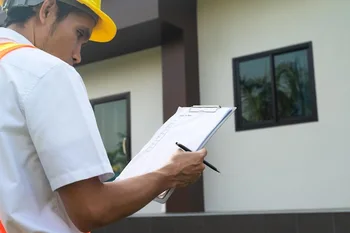
Verifying the legal documentation of the property is a crucial step in the home buying process in Costa Rica. Before signing any contract or making any payment, it is essential to ensure that the seller is indeed the legitimate owner and that the property is free of encumbrances or liens. This involves reviewing the property deed, the cadastral plans, and any other documents that may evidence the legality of the asset. Consulting a lawyer specialized in real estate can be an excellent way to obtain a detailed review and ensure there are no hidden surprises. Additionally, it is important to verify whether the property has all the necessary permits and licenses for its construction and use. This includes municipal authorizations, as well as checks in public records to confirm that there are no legal disputes related to the property. The lack of adequate documentation can lead to future problems, ranging from fines to the annulment of the contract. Therefore, taking the necessary time for this verification will not only protect your investment but also provide you with peace of mind knowing that you are making a safe and legally-backed purchase.3. Evaluate the structural condition of the property.
When assessing the structural condition of a property, it is crucial to pay attention to various elements that can affect both the safety and value of your future home. Start by inspecting the foundations, walls, and roof for cracks or signs of wear. These issues may indicate deeper failures that, if not addressed in time, could result in costly repairs. Additionally, do not forget to check the electrical and plumbing systems; ensuring they are in good condition is essential to avoid unpleasant surprises after the purchase.Another fundamental aspect of this evaluation is to consider the geographical location and the immediate environment. Investigate whether the property is located in an area prone to natural disasters such as floods or landslides, which is particularly relevant in certain areas of Costa Rica. Also, check if there are future development projects that could impact your quality of life or affect the value of the property. Taking the time to conduct this structural evaluation will allow you to make informed decisions and ensure that your investment is safe and sustainable in the long term.4. Consider financing: options and requirements.
When considering the purchase of a home in Costa Rica, financing is a crucial aspect that should not be overlooked. There are various options available for those looking to acquire a property, from mortgage loans offered by banking entities to private financing alternatives. It is essential to research and compare interest rates, payment terms, and the general conditions of each option. It is also important to keep your personal financial situation in mind, as this influences the amount you can allocate to the monthly payment and your ability to access an appropriate loan.In addition to financing options, it is vital to know the necessary requirements to obtain the desired credit. Generally, financial institutions request documentation such as proof of income, credit history, and employment references. Make sure to have all the documentation organized and updated before starting the process; this will facilitate the approval of the loan and avoid unnecessary setbacks. Remember that a good credit history can open doors to better conditions in your financing, which could translate into significant savings in the long term on your real estate investment.5. Conduct a local real estate market analysis.
Conducting an analysis of the local real estate market is essential for those looking to buy a home in Costa Rica. This analysis will allow you to understand current price trends, the supply and demand of properties in different areas, as well as the factors that influence the value of homes. Researching whether there are planned development projects or infrastructure improvements will also provide you with a clear view of the future appreciation of your investment. Additionally, knowing the demographic and socioeconomic profile of the area will help you determine if the location meets your needs and expectations.When conducting this analysis, it is advisable to consult reliable sources such as real estate market reports, specialized websites, and statistics provided by government entities or professional associations. It may also be helpful to talk to local real estate agents who have experience in the area where you wish to buy. They can offer you valuable information about specific neighborhoods, property features, and any regulatory changes that could affect your purchase. In summary, a thorough market analysis will not only help you make more informed decisions but will also empower you to negotiate better terms when closing the deal.6. Consult with experts: agents and specialized lawyers.
Consulting with experts is an essential step in the home buying process in Costa Rica. Specialized real estate agents will not only provide you with a clear view of the current market but will also help you identify properties that fit your needs and budget. Their experience allows them to negotiate favorable terms and act as intermediaries between you and the seller, ensuring that each stage of the transaction is transparent and efficient. Additionally, having an agent can facilitate access to properties that may not be publicly listed, expanding your options.On the other hand, legal advice is equally crucial. A lawyer specialized in real estate can review all the documentation related to the purchase, ensuring that there are no liens or encumbrances on the property. Their role is essential to protect your interests, as they can identify unfavorable clauses in contracts and even advise you on the tax implications of your investment. By having at least one of these professionals on your team throughout the process, you can feel more at ease knowing that you are making informed and secure decisions for your future home in Costa Rica.7. Understand the additional costs associated with the purchase.
When acquiring a home in Costa Rica, it is essential not only to focus on the property's price but also on the additional costs that may arise during the process. These expenses can include transfer taxes, legal fees, and deed costs, among others. For example, the property tax is calculated based on the cadastral value and can represent a significant percentage of the total cost. Furthermore, it is advisable to consider the expense associated with the property appraisal if you decide to obtain financing through a bank or credit institution. Having clarity about these costs will allow you to better plan your budget and avoid unpleasant surprises when closing the purchase.Another crucial aspect is the expenses related to maintenance and future improvements that your new home may require. When acquiring a property, you may need to invest in repairs or renovations to suit your personal needs and tastes. Also, consider utilities such as water, electricity, and internet, as well as association fees if your home is within a condominium. All these elements contribute to the total cost of owning a home and should be carefully considered to ensure that your investment is sustainable in the long term. By being aware of all these additional costs from the beginning of the process, you can make more informed decisions and fully enjoy your new home in Costa Rica.8. Stay informed about local regulations and standards.
When considering the purchase of a home in Costa Rica, it is crucial to be informed about the local regulations and norms that may affect your transaction. Each canton has its own laws and urban regulations that determine aspects such as land use, building permits, and environmental restrictions. Familiarizing yourself with these norms will not only help you avoid unpleasant surprises after the purchase, but it will also ensure that your new property complies with all the necessary legal requirements. This is especially important if you plan to make modifications or extensions in the future.It is also advisable to consult with local professionals, such as real estate attorneys or real estate agents, who are well-versed in the particulars of the Costa Rican market and can provide you with updated information on any legislative changes. You should also investigate whether there are urban development plans in the area where you wish to buy, as these can significantly influence the value of your investment in the long term. Staying informed about these issues will enable you to make better decisions and ensure that your home is not only a refuge but also a secure investment.9. Plan property visits: what to observe during the tour.
Planning property visits is a crucial step in the home buying process. During the tour, it is essential to observe not only the aesthetics of the house but also more technical aspects that can affect your decision. Take the time to assess the overall structure of the property: check the walls for cracks, examine the condition of the roof, and verify that there are no water leaks. Additionally, pay attention to the electrical and plumbing systems; make sure everything functions properly and shows no signs of wear or potential issues.Don't forget to consider the location and surroundings of the property. Observe the proximity to basic services such as supermarkets, hospitals, and schools, as well as the safety of the neighborhood. Take a walk around the area at different times of the day to get a clear idea of the traffic and local activity. Note any relevant details that could influence your quality of life, such as annoying noises or lack of green spaces. Remember that good planning during visits will allow you to make more informed decisions and avoid surprises in the future when making your purchase.10. Make informed decisions: when to make an offer and negotiate prices.
Make informed decisions: when to make an offer and negotiate prices is a crucial aspect of the home buying process in Costa Rica. Before presenting your offer, it is essential to research the local real estate market to understand the prices of similar properties in the area you are interested in. This information will allow you to establish a realistic and competitive range, avoiding the trap of making an offer that is too low or too high. Additionally, consider factors such as the condition of the property, its location, and market trends to support your proposal with solid arguments during the negotiation.Negotiating the price can be an art, but it also requires strategy and patience. Don't hesitate to ask questions about the condition of the property or the reasons for which it is being sold; this can not only provide you with valuable information but can also open doors to concessions from the seller. Set clear limits on what you are willing to offer and maintain open and respectful communication throughout the process. Remember that a good negotiation is not just about getting the best price, but also about creating an environment where both parties feel satisfied with the final deal.Advertisements
More in Checklist

Buying Process, Checklist
Ultimate guide to effectively plan home shopping
+30 days
7 views
Buying Process, Checklist
Tips for ensuring a successful closing on your home purchase
+30 days
6 views

Buying Process, Checklist
Tips for navigating the process of buying your new home
+30 days
5 views

Buying Process, Checklist
Tips for a home purchase that minimizes financial risks
+30 days
4 views
Most viewed in Buying Process

Buying Process, Procedures
How to choose the purchase option that best suits you
+30 days
2,794 views

Buying Process, Advice
Purchase decisions: the importance of prior research
+30 days
2,320 views

Buying Process, Advice
How to set priorities in your home purchases
+30 days
2,196 views

Buying Process, Advice
The essential guide to wisely choosing household products
+30 days
1,871 views