
Fundamental aspects to ensure a safe home purchase
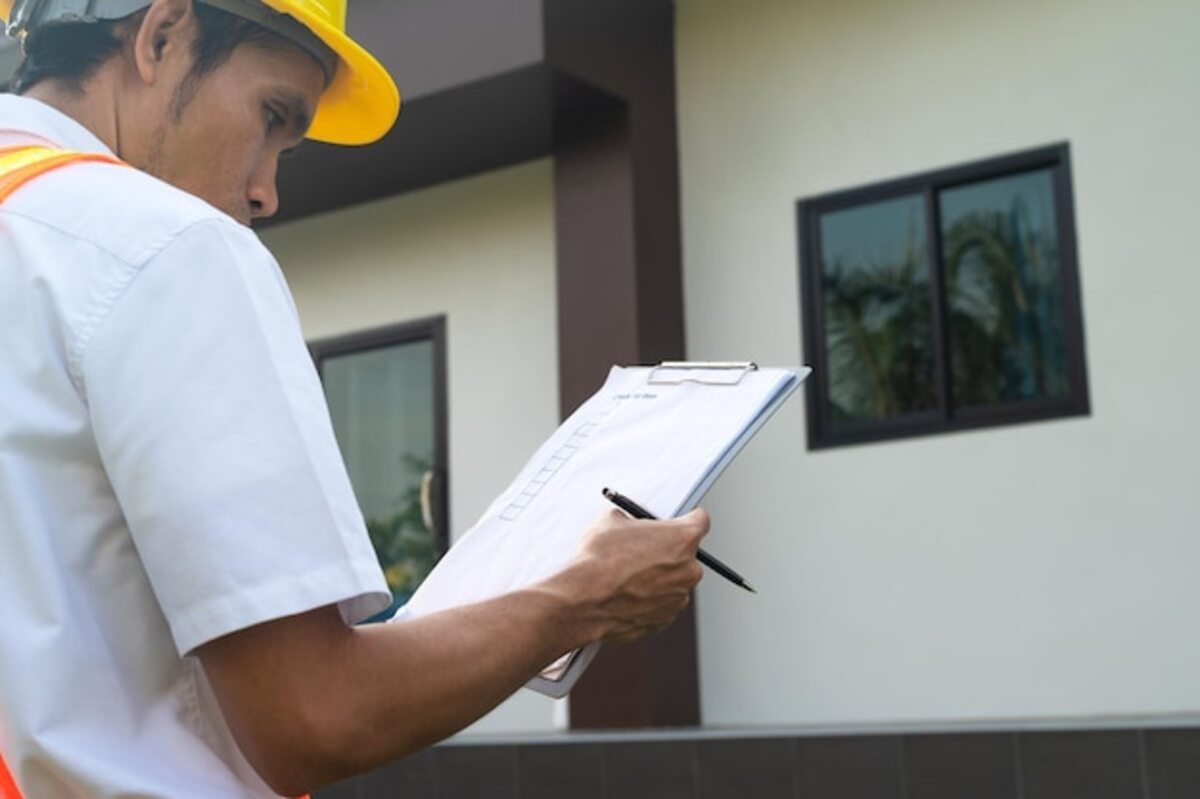
Ensuring a safe home purchase is essential in the process of acquiring your new home. With so many aspects to consider, having a well-structured checklist can make the difference between a wise investment and a headache. In this article, we will provide you with the fundamental aspects you should not overlook when buying your home, ensuring that you make informed and secure decisions. Get ready to take the first step towards your new home worry-free!
Verification of the property's legal documentation
The verification of the legal documentation of the property is a crucial step in the home buying process. Before making any transaction, it is essential to ensure that all documentation is in order and legitimate. This includes reviewing the property title, which must be free of encumbrances or liens, as well as verifying that the seller has the right to sell the property. Don't forget to also request the documents related to the urban planning regulations of the property, which may include building permits and necessary licenses for its use. A thorough analysis will help you avoid unpleasant surprises in the future.
In addition to the basic documents, consider investigating if there are any pending lawsuits related to the property or if there are legal issues that may affect your acquisition. It is advisable to consult with a lawyer specialized in real estate to ensure a thorough review and receive advice on any irregularities found. Also, make sure to verify the marital status of the seller; if they are married, their consent will be required to proceed with the sale. By having all these aspects clear and documented, you will be taking a solid step towards a secure and uncomplicated purchase.
Advertisements
Analysis of the physical condition of the property
The analysis of the physical condition of the property is one of the most critical stages in the home buying process. Before signing any contract, it is essential to conduct a thorough inspection that evaluates the structure, electrical and plumbing systems, as well as the condition of the interior and exterior finishes. Paying attention to details such as cracks in the walls, moisture, or mold can save you significant problems in the future. Additionally, having a professional conduct this evaluation will provide you with a detailed report on the property's condition, allowing you to make more informed decisions.
Another important aspect of physical analysis is to verify the legality and consistency of the modifications made to the property. Many times, renovations are carried out without the corresponding permits or without following local regulations, which can lead to legal conflicts or even penalties. Make sure to check if all expansions or changes are properly documented and approved by the relevant authorities. A well-maintained and legally regularized property not only guarantees your peace of mind when purchasing it but also ensures better long-term appreciation.
Research on the location and the neighborhood
The location and neighborhood are crucial factors that influence not only your quality of life but also the long-term value of the property. Before making a purchase decision, it is essential to thoroughly research the area where the home is located. Consider aspects such as proximity to essential services like supermarkets, schools, hospitals, and public transportation. A good location can offer you convenience and access to everything you need for your daily life, while a well-connected neighborhood can ease your commutes and enhance your overall experience as a resident. Furthermore, you should not forget to evaluate the safety of the neighborhood. Researching crime rates and talking to neighbors can provide you with a clearer insight into the environment that will surround you. It is also advisable to inform yourself about future development plans in the area, as projects like new infrastructure or businesses can positively influence the value of your property. By taking the time to research these aspects, you will be better prepared to make an informed choice and ensure that your new home is a place where you can feel safe and satisfied in the long term.
Assessment of the fair market price
The assessment of the fair market price is a crucial step that should not be underestimated when purchasing a home. Before making an offer, it is essential to research and compare prices of similar properties in the same area. This includes analyzing the characteristics of the property, such as size, location, overall condition, and available amenities. Online tools, reports from real estate agents, and specialized sites can provide you with valuable data to have a clear picture of what is considered a reasonable price. Don't forget to consider additional factors such as the trend of the local market, as this can influence the appreciation or depreciation of the value of your future property.
In addition to comparing prices, it is advisable to conduct a professional appraisal to ensure that you are investing in a home whose real value aligns with what you are willing to pay. An appraiser will examine various technical and structural aspects of the property, as well as its surroundings, to provide you with an accurate estimate. This analysis not only protects you against potential overpricing but can also serve as a tool in negotiations with the seller. At the end of the day, understanding the true and fair market cost will enable you to make more informed and secure decisions, ensuring that your investment is solid and sustainable in the long term.
Review of charges or encumbrances on the property
The review of charges or encumbrances on the property is a crucial step that should not be underestimated when buying a home. These can include mortgages, liens, easements, or any other type of limitation that affects the use and enjoyment of the property. Before finalizing the purchase, it is imperative to request a title report that details the legal status of the property. This will allow you to know if there are any outstanding debts or restrictions that could complicate your acquisition and affect your future as a homeowner.
Additionally, being aware of existing liens can help you negotiate a better price with the seller. If you find that the property has significant encumbrances, you can use this information as a tool to discuss a price reduction or request the seller to take on certain obligations before closing. Transparency in this aspect will not only protect you from unpleasant surprises in the future, but it will also give you greater confidence when making this important financial decision.
Consult with an expert real estate agent
Consulting with an expert real estate agent is one of the smartest decisions you can make when buying a home. These professionals not only have a deep understanding of the local market, but they are also aware of current trends and prices, which will allow you to make a fair and competitive offer. An experienced agent can guide you through the process, from the initial search to the final negotiation, ensuring that each step is carried out efficiently and securely. Additionally, their expertise will help you identify properties that align with your needs and budget.
Another crucial aspect is that a real estate agent has access to valuable information about the property's history, potential legal issues, and neighborhood conditions. This can save you time and money in the long run, as you will avoid potential unpleasant surprises after the purchase. Likewise, a good agent will act as an intermediary in negotiations, protecting your interests and helping you understand all the terms of the contract before signing. With this professional support, you will be better prepared to make informed decisions and ensure a truly secure home purchase.
Importance of conducting a professional inspection
Conducting a professional inspection before purchasing a home is a crucial step that should not be underestimated. This process involves a detailed assessment of the physical and structural condition of the property by trained experts. A professional inspector can identify hidden issues, such as leaks, structural damage, faulty electrical systems, or plumbing problems, that may not be immediately obvious. By being aware of these details, buyers can make more informed decisions and avoid unpleasant surprises after closing the deal. Furthermore, having an inspection report allows future homeowners to better negotiate the purchase price or request repairs from the seller before finalizing the transaction. This not only protects your initial investment but also provides peace of mind knowing that you have taken steps to ensure your new home is in optimal condition. In summary, conducting a professional inspection is an investment in itself, as it can save you time and money in the long run by preventing costly repairs and maintaining the property's value.
Financing options and their impact on purchasing
When considering the purchase of a home, financing options play a crucial role in the viability of the transaction. There are various alternatives available, from traditional mortgages to first-time buyer assistance programs. Each option has its own conditions and requirements, which can significantly influence the total amount to be paid over time. It is essential to research and compare different offers, as even small differences in interest rates and terms can result in substantial variations in final costs. A smart choice not only makes the buying process easier, but also ensures that your investment remains within your financial means.
In addition to the immediate cost of the loan, it is important to evaluate how the financing conditions impact your economic future. For example, a loan with a longer term may seem attractive due to lower monthly payments; however, this could translate into a higher total payment in interest over the long term. Similarly, some financing programs offer tax incentives or subsidies that can ease the initial financial burden. By understanding each option and its short- and long-term repercussions, you can make informed decisions that not only facilitate the acquisition of your ideal home but also provide you with stability and economic security in the future.
Clarity in the terms of the sales contract
When you embark on the purchase of a home, it is crucial that the terms of the purchase agreement are clear and understandable. Many times, buyers feel overwhelmed by the technical language and legal clauses that may seem confusing. Therefore, it is essential to read each section of the contract carefully, making sure to understand all the stipulated conditions. This includes aspects such as the final price, payment conditions, delivery timelines, and any possible penalties for non-compliance. If there is something you do not understand, do not hesitate to seek clarification or even legal advice to avoid unpleasant surprises in the future.
A well-drafted contract not only protects the buyer but also the seller. It is important for both parties to agree on all the terms established to foster a transparent and fair business relationship. Ensure that the obligations and rights of each party are clearly defined, as well as any special conditions related to the property, such as the inclusion of furniture or necessary repairs before closing the deal. Clarity on these details will not only prevent misunderstandings later on but also guarantee a smoother experience throughout the purchasing process. Remember that a solid contract is a key piece to secure your investment and protect your long-term interests.
Considerations on the future appreciation value of the property
The revaluation of a property is a crucial factor to consider when making a purchase. This appreciation in value can depend on various elements, such as location, urban development, and demand in the real estate market. A neighborhood that is experiencing growth or has future infrastructure plans can significantly increase the value of your property. Therefore, researching market trends and development projections is essential to ensure that your investment is not only safe but also profitable in the long term.
Additionally, it is important to consider aspects such as the quality of life in the area, nearby services (such as schools, hospitals, and shopping centers), and neighborhood safety. These factors not only impact your daily experience as a homeowner but also influence the potential appreciation of the property in the future. Finally, we must not forget that the overall state of the real estate market can be volatile; therefore, having a long-term perspective is essential. Evaluating historical data on changes in prices of similar properties can provide you with a clearer view of how your investment might perform over time. In summary, by taking these elements into account regarding the appreciation of the property when purchasing your home, you will be better prepared to make informed decisions that ensure not only a comfortable home but also a valuable investment for the future.
Advertisements
More in Checklist
Buying Process, Checklist
Tips for ensuring a successful closing on your home purchase

Buying Process, Checklist
Tips for choosing the perfect location when buying your home

Buying Process, Checklist
Tips for ensuring clarity in the purchase of your ideal home

Buying Process, Checklist
Tips for a home purchase that promotes your well-being
Most viewed in Buying Process

Buying Process, Legal Verification
Fundamental Aspects to Ensure Your Real Estate Purchase
Buying Process, Legal Verification
Legal Aspects That Boost Your Confidence When Buying Properties

Buying Process, Advice
Tips for choosing the ideal property without complications

Buying Process, Common Mistakes
Mistakes That Can Frustrate Your Purchase in La Fortuna