
How to ensure a home purchase aligned with your dreams

Are you ready to take the big step towards buying your ideal home in Costa Rica? Ensuring that this investment aligns with your dreams may seem like an overwhelming task, but with an organized and strategic approach, you can make this process both exciting and satisfying. In this article, we will provide you with an essential checklist that will guide you through each stage, ensuring that your new home not only meets your needs but also reflects your lifestyle and aspirations.
Define your goals: What are you really looking for in your home?
Defining your goals is the first crucial step in the search for your ideal home. Ask yourself: what do you really value in a space? You may be looking for a house with a large garden to enjoy the outdoors, or perhaps you prefer an apartment in a lively urban area, close to shops and restaurants. Also consider aspects such as proximity to your workplace, schools if you have children, and other amenities that are important to you. Taking the time to identify your desires and needs will allow you to focus your searches more effectively and avoid impulsive decisions.
Additionally, it is essential that your goals align with your current and future lifestyle. Reflect on how you envision your life in the coming years: do you plan to start a family? Would you like to have a space to work from home? Or perhaps you dream of having a place to host friends and family? By establishing a clear vision of what you are looking for, you will not only facilitate the buying process but also ensure that your new home is an authentic reflection of who you are and where you are heading. Remember that this decision has long-term implications; therefore, being honest with yourself about your aspirations is crucial for finding the perfect home.
Advertisements
Set a realistic budget: Calculate what you can spend without overcommitting.
Establishing a realistic budget is essential when it comes to purchasing a home. Before you start looking, take the necessary time to assess your current financial situation. Consider your income, savings, and monthly expenses to determine how much you can allocate to buying a house without compromising your economic stability. This reflection will allow you to set a price range that is suitable for both your dreams and your reality. Remember to include not only the cost of the property but also additional expenses such as taxes, insurance, maintenance, and potential renovations.
Once you have your budget limit clear, make sure to be flexible but firm in your decisions. It’s easy to get carried away by properties that exceed your budget when imagining how happy you would be in them. However, making a purchase that is not aligned with your financial capabilities can lead to stressful situations in the future. Always keep in mind the importance of living within your means; this will not only allow you to fully enjoy your new home but will also give you the freedom and peace of mind needed to continue pursuing other dreams and personal goals.
Research the areas: Find out which neighborhoods align best with your lifestyle.
Researching the areas where you might live is a crucial step in the home buying process. Each neighborhood has its own character, atmosphere, and features that can influence your daily quality of life. For example, if you value tranquility and a connection to nature, you might explore more rural or suburban areas, where the pace of life is slower and you can enjoy green spaces. In contrast, if you prefer a dynamic urban style, look for neighborhoods with access to restaurants, shops, and cultural activities. Identifying what truly matters to you will help narrow down your options and focus on those communities that best align with your expectations.
In addition to considering the general environment of each area, it is also essential to investigate practical aspects such as proximity to schools, medical services, public transportation, and other essential amenities. If you have children or plan to have them in the future, checking the educational quality of nearby schools can be decisive for your choice. Also, consider the time you are willing to dedicate to daily commuting; a good location can save you valuable hours each month. By conducting a thorough analysis of these variables, you will not only be ensuring a smart purchase from a financial standpoint but also creating a home that truly fits your lifestyle and personal aspirations.
Consider the type of property: House, apartment, or land? Identify what you need.
When considering the purchase of a home, the first crucial step is to identify the type of property that best fits your needs and lifestyle. The most common options include single-family homes, apartments, and land. Each of these options presents advantages and disadvantages that must be carefully evaluated. For example, if you value privacy and outdoor space, a house might be the optimal choice. On the other hand, if you prefer a more urban and accessible lifestyle, an apartment can offer you additional amenities such as security and reduced maintenance. Reflect on your daily routine and the activities you enjoy to determine which type of property aligns best with your expectations.
Another important aspect to consider is the potential for personal and family growth in each type of property. If you plan to start a family or simply want more space for your hobbies and activities, a house could provide you with that flexibility. On the other hand, if you are starting your professional career or looking to invest in real estate, an apartment or land may represent a more affordable strategic option. Evaluate not only your current needs but also how they might evolve over time; this will allow you to make informed decisions that ensure your purchase is not only suitable for the present but also sustainable for the future.
Verify the legal documentation: Make sure everything is in order before buying.
Verifying legal documentation is a crucial step in the home buying process. Before committing to a significant investment, it is essential to ensure that everything is in order. This includes reviewing property titles, existing mortgages, and any encumbrances that may affect the property. A thorough analysis will allow you to identify potential legal issues that could arise later, which could not only complicate your purchase but also jeopardize your investment. Having the advice of a lawyer specializing in real estate can be invaluable to ensure that all documents are complete and legitimate.
In addition to titles and liens, do not forget to check if the property has the necessary permits and if it is up to date with tax obligations. Make sure to consult the current status of the property in the National Registry and confirm that there are no pending litigations. It is also advisable to research local regulations related to land use and construction, as this will give you a better idea of the future development of the area where you plan to acquire your home. Having all this information clear from the beginning will make you feel more confident in your decision and allow you to fully enjoy the process of acquiring your ideal home without unpleasant surprises along the way.
Conduct a thorough inspection: Do not skimp on checking the condition of the property.
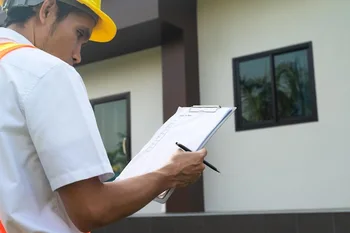
Conducting a thorough inspection of the property is a crucial step in the home buying process that should not be taken lightly. Before signing any contract, it is essential to examine every corner of the property for potential structural issues, hidden damages, or faulty installations. From the condition of the roof and walls to the plumbing and electrical system, every aspect must be carefully evaluated. Do not skimp on this process; consider hiring a professional inspector who can provide you with an objective and detailed assessment. This additional investment can save you headaches and unexpected expenses in the future.
Additionally, during the inspection, take the opportunity to ask the seller about the historical maintenance of the property and any repairs made. This will give you a better understanding of the overall condition of the property and its history. Remember that your goal is to find a home that is not only aesthetically pleasing but also in optimal condition for living. A thorough review will allow you to make informed decisions and ensure that the chosen home truly aligns with your long-term dreams and expectations.
Evaluate financing options: Compare different mortgage loans and rates.
When evaluating financing options, it is crucial to understand that not all mortgages are the same. When comparing different mortgage loans, you should pay attention to factors such as the interest rate, the loan term, and associated costs. Some entities offer fixed rates, while others may provide variable rates that could be more attractive in the short term but carry risks in the future. Additionally, consider if there are any fees or penalties for early repayment. This analysis will allow you to choose an option that best fits your financial capabilities and long-term plans.
It is also advisable to seek professional guidance to navigate the complex world of mortgage loans. A financial advisor can help you interpret the fine print of each offer and provide you with a clearer perspective on market conditions. Do not hesitate to use online tools to run simulations that allow you to visualize how your monthly payments would look under different scenarios. By taking the necessary time to carefully compare these options, you will be one step closer to securing a home purchase that truly resonates with your dreams and expectations.
Make a list of priorities: Classify what is essential versus what is desirable in your new home.
To ensure that your new home aligns with your dreams, it is crucial to make a list of priorities. Start by identifying what aspects are essential for you and your family in the new home. This may include the number of rooms, proximity to schools or workplaces, or even specific features like a garden or space for pets. By having these essential elements clear, you can focus your search on properties that truly meet your fundamental needs, avoiding unnecessary distractions along the way.
Once you have established what is essential, it is time to classify what is desirable. These are the features you would like to have but are not essential; for example, a pool, a garage, or a panoramic view. By creating this distinction between what is necessary and what would be a nice extra, you can stay within your budget without sacrificing the most important aspects. Additionally, this approach will allow you to make more informed decisions and avoid future regrets when choosing your ideal home in Costa Rica. Remember that every detail matters, and prioritizing properly will help you find that special place where you can build unforgettable memories.
Advertisements
More in Checklist
Buying Process, Checklist
Tips for ensuring a successful closing on your home purchase

Buying Process, Checklist
Tips for choosing the perfect location when buying your home

Buying Process, Checklist
Tips for ensuring clarity in the purchase of your ideal home

Buying Process, Checklist
Tips for a home purchase that promotes your well-being
Most viewed in Buying Process

Buying Process, Legal Verification
Fundamental Aspects to Ensure Your Real Estate Purchase

Buying Process, Legal Verification
Legal Aspects That Boost Your Confidence When Buying Properties

Buying Process, Advice
Tips for choosing the ideal property without complications

Buying Process, Common Mistakes
Mistakes That Can Frustrate Your Purchase in La Fortuna