
How to ensure a home purchase that meets your needs
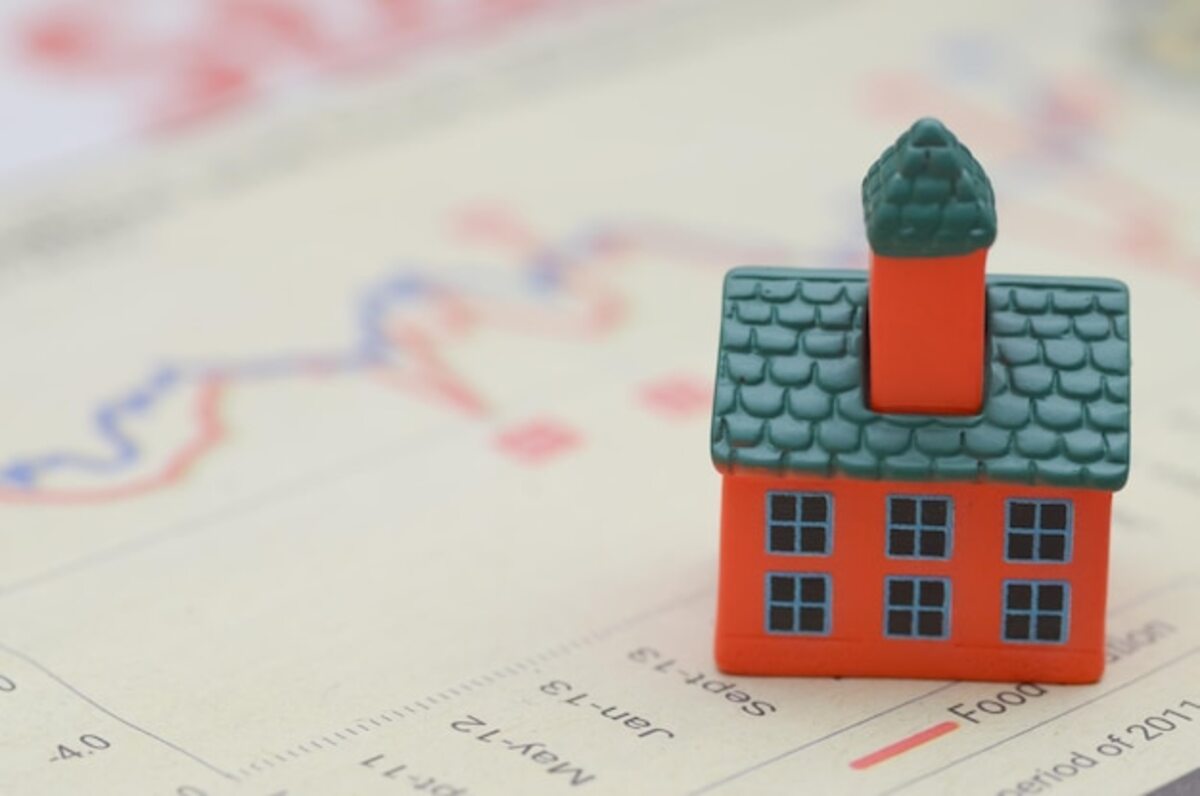
Are you ready to take the big step towards buying your ideal home? Ensuring that your new house meets your needs is essential for enjoying a happy and functional home. In this article, we will present you with a practical checklist that will guide you through each stage of the buying process, ensuring that you make informed decisions that align with your expectations. Get ready to become the owner of a property that truly reflects your lifestyle and preferences.
Define your priorities: What is most important to you in a home?
Defining your priorities is the first crucial step on the path to buying your ideal home. Before diving into the search, it is essential to reflect on what you truly value in a home. Ask yourself: do I prefer a central location close to services and transport, or do I value a quieter suburban environment more? Also consider aspects like the number of rooms, whether you need a space to work from home, or if you plan to expand your family. Having clarity about your priorities will help you filter options and focus on those properties that align with your actual needs.
Additionally, don't forget to include emotional and practical factors in this assessment. What kind of lifestyle do you lead? If you enjoy entertainment, having a spacious kitchen or a cozy garden to host friends and family may be a priority. On the other hand, if you seek comfort and efficiency, you might prefer a home already equipped with modern technology or energy-saving systems. By clearly defining your priorities, you will not only make your search process easier but also be able to make more informed decisions that ensure a satisfying long-term investment.
Advertisements
Set a realistic budget: Keys to not exceeding your financial limits.
Setting a realistic budget is one of the most critical steps in the home buying process. Before you dive into the search for your ideal home, it is essential to evaluate your finances and determine how much you can spend without compromising your economic stability. This involves not only considering the price of the property but also taking into account other associated expenses such as taxes, insurance, maintenance, and possible renovations. Conducting a thorough analysis will provide you with a clear view of your financial limits and help avoid unpleasant surprises in the future.
It is also advisable to include a margin for unforeseen events within your budget. Circumstances can change rapidly, and having a financial cushion can be the difference between enjoying your new home or facing economic difficulties. Consider using digital tools or consulting with a financial advisor to help you structure your budget effectively. By setting clear and realistic goals from the outset, you will be better prepared to make informed decisions that align with your long-term needs and desires in your new residence.
Research the location: Factors to consider when choosing the best neighborhood.
When choosing the best neighborhood for your future home, it is crucial to consider factors that impact both your quality of life and your long-term investment. First, evaluate the accessibility of the area: proximity to main roads, public transportation, and essential services such as supermarkets, hospitals, and schools are elements that not only facilitate your daily life but also influence the resale value of the property. A well-connected neighborhood tends to be more attractive for future buyers, which is a key point if you ever decide to sell. Another important aspect is the safety of the neighborhood. Researching crime statistics and speaking with current residents will provide you with a clear insight into the environment surrounding the property. Additionally, consider the future development of the area; urban planning can positively or negatively affect the surroundings in the coming years. By taking these factors into account when researching different neighborhoods, you will be better prepared to choose a place that not only meets your current needs but also ensures ongoing growth in quality of life and property value.
Evaluate the characteristics of the property: What type of layout do you need?
When evaluating the characteristics of the property, it is essential to consider the layout of the spaces. Ask yourself what type of environments are a priority for you and your family. Do you need a spacious kitchen that encourages interaction, or do you prefer a more closed design that maintains privacy? It is also important to think about the number of bedrooms; if you plan to grow as a family or host visitors frequently, make sure you have enough bedrooms and bathrooms. Analyzing how the spaces flow into one another can make the difference between a comfortable home and one that feels disjointed.
Functionality also plays a crucial role in the distribution of the property. Consider aspects such as the location of the bedrooms in relation to the common areas, as well as access to natural light and ventilation. A good design should offer comfort not only in aesthetic terms but also in practical ones: a house where each space is optimized for daily use will facilitate your routine and improve your quality of life. Take the time to visualize how you imagine living in each corner of the home; this will help you make more informed decisions that align with your actual needs.
Consider nearby services and amenities: The importance of having everything within reach.
When searching for a home, it is vital to consider the nearby services and amenities that can influence your quality of life. Proximity to supermarkets, schools, hospitals, parks, and public transport not only facilitates daily activities but can also increase the resale value of your property in the future. Imagine living just minutes away from a park where you can enjoy outdoor afternoons with your family or having quick access to a medical center in case of emergencies. These aspects not only provide convenience but also help create a more pleasant environment for you and your loved ones.
Additionally, the cultural and recreational offerings of the neighborhood can be a determining factor in your choice. Having cinemas, restaurants, gyms, or community centers nearby can enrich your social life and facilitate integration with other neighbors. When evaluating a property, take the time to explore the surrounding area; walk through the streets and observe what the community is like. This will allow you to get a clearer idea of whether that place matches your expectations and lifestyle. Remember that you are not just acquiring a house; you are also investing in a community that should complement your daily needs and desires.
Property inspection: How to detect potential issues before buying.
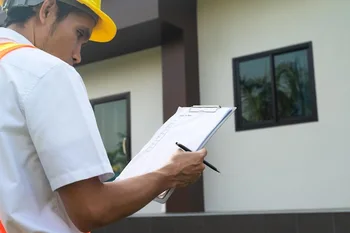
A thorough inspection of the property is a crucial step that you should not overlook before making the purchase. This process allows you to identify potential structural, electrical, or plumbing issues that could become costly surprises after the deal is closed. It is advisable to hire a professional inspector who has experience in detecting hidden defects and can provide you with a detailed report on the overall condition of the home. Don't hesitate to accompany the inspector during the visit; this way you can ask questions and gain a better understanding of the findings.
Additionally, it is vital to pay attention to details that may not be included in the inspector's report, such as the condition of the roof, the windows, and the exterior facilities. Look for signs of moisture or mold, as these can be indicative of more serious problems. Also, consider consulting with neighbors about their experience in the area; they can provide you with valuable information about the community and any recurring issues in nearby properties. By conducting a thorough and careful inspection, you will be able to make an informed decision and avoid future inconveniences, ensuring that your new home perfectly meets your needs.
Consult with experts: Benefits of having professional advice during the process.
Consulting with experts in the home buying process can make the difference between a successful experience and a path filled with setbacks. Real estate advisors, architects, and financing specialists not only provide their market knowledge, but also offer valuable insights into current trends and best practices for acquiring a property. Their expertise allows for the identification of properties that truly meet your needs, thus avoiding the emotional strain that can arise from searching on your own. Additionally, these professionals can help you better negotiate the terms of the purchase, ensuring that you get the most value for your investment.
Another significant benefit of having professional advice is the ability to anticipate and mitigate risks associated with buying a home. Experts can conduct thorough inspections and assess critical factors such as location, the structural condition of the property, and potential hidden costs. This information will allow you to make informed decisions and avoid unpleasant surprises after closing the transaction. At the end of the day, having a team of professionals by your side not only facilitates the process but also provides peace of mind, knowing that you are taking firm steps toward acquiring a home that truly fits your expectations and lifestyle.
Advertisements
More in Checklist
Buying Process, Checklist
Tips for ensuring a successful closing on your home purchase

Buying Process, Checklist
Tips for choosing the perfect location when buying your home

Buying Process, Checklist
Tips for ensuring clarity in the purchase of your ideal home

Buying Process, Checklist
Tips for a home purchase that promotes your well-being
Most viewed in Buying Process

Buying Process, Legal Verification
Fundamental Aspects to Ensure Your Real Estate Purchase

Buying Process, Legal Verification
Legal Aspects That Boost Your Confidence When Buying Properties

Buying Process, Advice
Tips for choosing the ideal property without complications

Buying Process, Common Mistakes
Mistakes That Can Frustrate Your Purchase in La Fortuna