
How to ensure a home purchase without unexpected surprises

Are you ready to take the big step towards buying your home in Costa Rica? Before signing the contract, it is crucial to ensure you don’t encounter unexpected surprises. In this article, we will provide you with a practical and effective checklist to cover every aspect of the buying process, from market research to the final inspection. With these tips, you will be able to make informed decisions and ensure that your investment is secure and satisfactory.
Real estate market research: what you need to know?
Researching the real estate market is a fundamental step before making any purchase. Knowing the current state of the market in Costa Rica will allow you to understand price dynamics, as well as identify areas that are growing and those that could be a bad investment. Investigating trends in supply and demand, as well as future projections, will help you have a clearer vision of which properties fit your budget and needs. Additionally, it is advisable to consult reliable sources and industry statistics to obtain accurate data that supports your decisions.
Another key aspect in this phase is the comparison of similar properties in different locations. This will not only allow you to assess whether the prices are fair but also identify unique features that may influence the long-term value of the property. Feel free to visit several options and take advantage of digital resources like real estate portals or social media to gather additional information. Ultimately, your goal should be to find a balance between cost, location, and desired features, ensuring that your investment is as sound as possible.
Advertisements
Financial assessment: budget and financing options.
To ensure a home purchase without surprises, financial assessment is a crucial step that you should not overlook. Start by establishing a clear budget that considers not only the purchase price of the property but also other associated expenses such as taxes, insurance, maintenance, and closing costs. It is essential to take into account your personal economic situation and your income to determine how much you can afford to spend without compromising your financial stability. Creating a well-structured budget will give you a clearer view of what you can truly acquire and will help prevent unpleasant surprises in the future.
In addition to the budget, exploring the different financing options available is crucial for making an informed and secure purchase. Research mortgages, home loans, and other financial products that suit your needs. Compare interest rates, terms, and conditions among different banks or credit unions to find the most favorable option. Make sure to also understand the terms of the chosen financing well; this includes carefully reading the contracts and asking any questions you may have. By making informed financial decisions, you will not only protect your investment but also get closer to making the dream of owning your own home in Costa Rica a reality.
Selection of the right real estate agent.
Choosing the right real estate agent is one of the most important decisions you will make in the process of buying your home. A good agent will not only guide you through the maze of the market but will also become your ally in negotiations and in identifying properties that fit your needs and budget. It is advisable to research several options and seek recommendations, whether through friends, family, or online reviews. Make sure to choose a professional with experience in the area where you want to buy, as they will have a better understanding of local trends and can provide you with valuable information about the community.
Once you have narrowed down your options, it is essential to have an open conversation with potential agents. Ask about their approach to assisting buyers and how they handle negotiations. A good agent should demonstrate not only technical skill but also empathy towards your needs as a buyer. Do not hesitate to request references from previous clients; this will give you a clear idea of their performance and reliability. Remember that you are looking for someone you can fully trust throughout the process, so take the time to find the right professional to guide you toward the purchase of your new home without unpleasant surprises.
Property inspection: key aspects to consider.
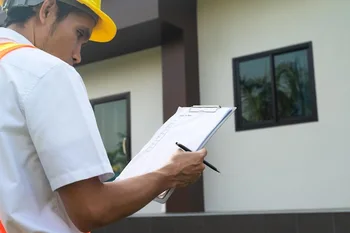
The property inspection is a crucial step in the home buying process, as it allows for the identification of potential structural or technical issues before closing the deal. It is advisable to hire a professional inspector with experience in the area to ensure a thorough evaluation. During this inspection, key aspects such as the condition of the roof, electrical and plumbing systems, as well as the foundation and walls will be reviewed. Detecting any issues from the beginning can save you significant costs on future repairs and gives you the opportunity to negotiate more favorable terms with the seller.
In addition to reviewing visible aspects, it is essential to consider less obvious but equally important factors. For example, if the property is located in an area prone to flooding or landslides, this can affect its long-term value. Inspecting the documentation related to permits and regulations is also crucial; make sure that all renovations carried out comply with local regulations. A comprehensive analysis will not only give you peace of mind about your purchase but also empower you when negotiating terms and prices based on concrete findings during the inspection.
Verification of legal documents and permits.
The verification of legal documents and permits is a fundamental step in the home buying process. Before committing to any property, it is essential to carefully review the documentation related to it. This includes the property deed, which should be free of liens or mortgages, as well as the building and zoning permits. Ensure that the seller is the legitimate owner and that all documents are up-to-date and valid. Lack of clarity in these aspects can lead to legal issues in the future.
Also, do not underestimate the importance of consulting with a specialized real estate attorney. This professional can help you interpret the documents and ensure that everything is in order before proceeding with the purchase. It is also advisable to check for any additional encumbrances on the property, such as easements or restrictions imposed by the municipality. Taking the time for this verification will not only protect you legally but also provide you with greater peace of mind when closing the deal, ensuring that your investment complies with all local and national regulations.
Price negotiation: effective strategies.
Negotiating the price is one of the most critical stages in buying a home, and having effective strategies can make the difference between a good deal and one that leaves you unsatisfied. Before entering into discussions, thoroughly research the real estate market in Costa Rica. Know the average prices of similar properties in the desired area and use this information as a basis to justify your offer. Don't hesitate to mention any aspects of the property that you believe may reduce its value, such as necessary repairs or less attractive features. The more informed you are, the more confidence you will have during the negotiation process.
Another effective strategy is to establish a price range before starting negotiations. Be clear about your maximum budget and the minimum price you are willing to accept. This will not only help you stay focused during negotiations but also allow you to act quickly when favorable opportunities arise. Additionally, consider being flexible with other terms of the contract, such as closing dates or additional conditions, which could make your offer more attractive to the seller without necessarily increasing the final price. Remember that the key is to create a collaborative environment where both parties feel they are gaining something valuable in the transaction.
Closing the purchase: final steps for a successful process.
The closing of the purchase is the culminating moment of the home-buying process, and it is essential to prepare adequately to ensure a successful outcome. Before signing any documents, meticulously review all the terms of the contract. Make sure you understand each clause and verify that all previously agreed-upon conditions are included. If you have any doubts, do not hesitate to consult a real estate attorney who can advise you on the legal aspects and protect your interests.
Once you are satisfied with the contract, it will be time to make the final payments and coordinate the delivery of the property. It is advisable to have a clear understanding of how the money transfer will be carried out and to ensure you have all the necessary documents to formalize the transaction. Additionally, conduct a final inspection before closing to confirm that everything is in order, from the physical conditions to the basic services. With these steps executed properly, you can close your purchase with confidence and start this new chapter in your home without unpleasant surprises.
Advertisements
More in Checklist
Buying Process, Checklist
Tips for ensuring a successful closing on your home purchase

Buying Process, Checklist
Tips for choosing the perfect location when buying your home

Buying Process, Checklist
Tips for ensuring clarity in the purchase of your ideal home

Buying Process, Checklist
Tips for a home purchase that promotes your well-being
Most viewed in Buying Process
Buying Process, Legal Verification
Fundamental Aspects to Ensure Your Real Estate Purchase
Buying Process, Legal Verification
Legal Aspects That Boost Your Confidence When Buying Properties
Buying Process, Advice
Tips for choosing the ideal property without complications

Buying Process, Common Mistakes
Mistakes That Can Frustrate Your Purchase in La Fortuna