
How to ensure clarity and confidence in your home purchase

Ensuring clarity and confidence in your home purchase is essential to prevent this process from becoming a nightmare. With so many details to consider, from location to legal procedures, it is crucial to have a complete checklist that guides you at every step of the way. This article will provide you with practical tools and useful tips to make informed decisions and avoid unpleasant surprises. Get ready to make your purchase a successful and satisfying experience!
Understand the local real estate market
Understanding the local real estate market is the crucial first step to ensuring clarity and confidence in your home purchase. Each area has its particularities, from average prices to growth trends, and knowing them will allow you to make a more informed choice. Researching the neighborhoods you are interested in, assessing supply and demand, and analyzing factors such as proximity to essential services, schools, and public transportation are fundamental elements that will influence your decision. A good understanding of the market will help you identify whether a property is overpriced or if it represents a good investment opportunity.
Additionally, speaking with local real estate agents can provide you with valuable information about the current state of the market. These professionals often have access to data that is not readily available to the general public, such as properties that are about to hit the market or upcoming development areas. It is also advisable to attend open houses and visit different properties to compare not only prices but also features and conditions of the property. By having a clear view of the environment where you wish to buy, you will be able to make more informed decisions that align with your long-term needs and expectations.
Advertisements
Define your budget and financing options.
Defining your budget and financing options is a crucial step in the home buying process. Before you start looking for properties, it's important to have a clear idea of how much you can afford to spend. This involves not only considering the price of the home itself but also additional costs such as taxes, insurance, maintenance, and closing expenses. Conducting a detailed analysis of your monthly income and expenses will allow you to set a realistic limit that fits your financial situation. Remember that buying a home is a long-term commitment, so it's essential not to exceed your financial capabilities.
In addition to the initial budget, exploring the different financing options available can make a difference in the viability of your purchase. Research conventional mortgages, FHA or VA loans, and other alternatives that fit your specific needs. It is advisable to talk to several lenders to compare interest rates and terms; this will help you find the best possible option. Don't forget to consider the possibility of obtaining a mortgage pre-approval, as this will not only give you clarity on what you can spend but also make you more attractive to sellers by demonstrating seriousness in your intent to buy.
Investigating the properties: key features to consider
When researching properties, it is crucial to pay attention to key features that may influence your final decision. Start with the location: a good neighborhood can not only affect your quality of life but also the resale value of the property. Research the safety of the area, accessibility to services such as schools, hospitals, and public transportation, as well as urban development trends. An environment that is constantly improving or expanding can be a positive sign for your long-term investment.
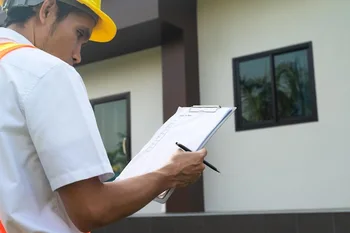
Another essential aspect to consider is the structural conditions and technical details of the property. Make sure to check aspects such as the condition of the roof, electrical systems, and plumbing, as well as thermal and acoustic insulation. These elements not only affect your daily comfort but can also imply significant costs in future repairs if they are not in good condition. Conducting a professional inspection before finalizing the purchase will give you a clear understanding of what you are acquiring and help you avoid unwanted surprises in the future.
Evaluate the reputation of the developer or seller.
When assessing the reputation of the developer or seller, it is crucial to conduct thorough research that provides a clear view of their track record in the market. Start by looking for opinions and reviews from previous buyers, as well as online testimonials. Evaluation platforms and specialized forums can be valuable resources to learn about the experiences of other customers. Additionally, consider visiting previous projects of the developer; this will allow you to appreciate the quality of the construction and whether they meet the promised standards. A good reputation is an indicator of trust and commitment to customer satisfaction.
Do not underestimate the importance of verifying whether the developer has the necessary licenses and is registered with the competent authorities. This not only ensures that they operate within the legal framework but can also provide you with protection in case of future issues. Inquire about their financial history; a developer with financial problems may affect the project's delivery or compromise the final quality. Ultimately, choosing a seller or developer with a solid reputation will allow you to approach the purchasing process with greater peace of mind, knowing that you are making informed decisions based on concrete data and real experiences.
Importance of a technical inspection prior to purchase
The importance of a technical inspection prior to purchasing a home cannot be underestimated. This process allows for the identification of hidden problems that could turn into costly surprises in the long run. From structural defects to failures in the electrical or plumbing systems, a thorough evaluation provides a clear picture of the actual condition of the property. Furthermore, having a detailed technical report empowers you as a buyer, providing you with solid arguments to negotiate the price or request repairs before closing the deal. It is not just about avoiding inconveniences; it is an investment in your future peace of mind.
Conducting a technical inspection also reflects a commitment to transparency and safety in your real estate transaction. Often, sellers may not be fully aware of all the technical aspects affecting their property, which can lead to misunderstandings and later conflicts. By ensuring that every corner has been reviewed by a competent professional, you establish an environment of trust both with yourself and with the seller. This step is essential for making informed decisions and ensuring that your new home meets your expectations and long-term needs.
Thorough review of legal documents and contracts
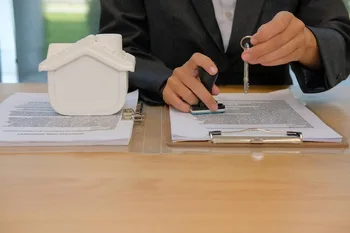
A thorough review of legal documents and contracts is a crucial step in the home-buying process. When acquiring a property, it is essential to ensure that all documents are in order and that you understand every clause of the contract before signing. This includes verifying the deed, the title conditions, as well as any liens or encumbrances that may affect the property. A mistake at this stage can lead to future conflicts or even significant financial losses. Having a lawyer specialized in real estate can be a valuable investment to ensure that all legal aspects are protected and clear.
In addition, you should not only focus on the documents related to the purchase; it is also important to review local regulations and restrictions associated with the property. This includes knowing if there are regulations regarding renovations, land use, or easements that may influence your future plans. A complete understanding of these aspects will allow you to make informed decisions and avoid unwanted surprises after closing the deal. Remember that a meticulous approach to legal review not only provides security but also reinforces the confidence needed to fully enjoy your new home.
Effective negotiation: how to get the best price
Effective negotiation is an art that can make a difference in purchasing a home. When approaching this process, it is crucial to be well-informed about the market and the properties you are considering. Research comparable prices in the area and have data on how long each property has been on the market. This will provide you with a solid foundation to argue your offer and demonstrate that you are a serious and prepared buyer. Additionally, do not hesitate to ask questions to the seller or their agent; this can provide you with valuable information about the reasons behind the sale, which can be a key point in the negotiation.
An effective strategy is to establish a price range before starting negotiations. Begin with an offer lower than your maximum budget, but ensure it is reasonable and justified by your prior research. As you progress in the discussions, maintain a flexible attitude and be open to compromises. Don't forget to use your communication skills to express your needs and concerns clearly, which will build trust between both parties. Also, remember to keep the ultimate goal in mind: to achieve not only a good price but also a satisfactory transaction where both parties feel comfortable with the agreement reached.
Tax aspects related to home purchase
When considering the purchase of a home, it is crucial to take into account the tax aspects that may influence your decision. One of the most important elements is the property tax, which varies by location and can affect your long-term monthly expenses. Additionally, there are tax deductions available for homeowners, such as mortgage interest and certain closing costs, which can ease the initial tax burden. Being informed about these benefits can not only help you better plan your budget but also maximize your savings.
Another relevant aspect is the tax implications when selling a property. It is essential to understand how capital gains are taxed and what exemptions may apply if you decide to sell your home in the future. For example, in many jurisdictions, there is a capital gains exemption available for those who have lived in their home for a certain period. Knowing these regulations will allow you to make more informed and strategic decisions throughout your journey as a homeowner, thus ensuring that each stage of the process aligns with your long-term financial goals.
Additional resources: real estate agents and legal advisors
When approaching the purchase of a home, having the support of real estate agents and legal advisors can be a great relief. Real estate agents not only have a deep understanding of the local market, but they are also trained to negotiate on your behalf, which can result in a better offer or more favorable terms. Their expertise will help you identify properties that align with your needs and budget, thus avoiding the emotional strain that often accompanies the search for a house. Additionally, their network of contacts can give you access to properties before they hit the general market.
On the other hand, legal advice is equally crucial in this process. A lawyer specialized in real estate will guide you through the necessary legal procedures, reviewing contracts and ensuring that all documents are in order. This will not only protect you against potential future problems, such as disputes over the property or misleading clauses in the contract, but it will also provide you with peace of mind knowing that you are making informed and legally supported decisions. Together, these professionals are indispensable resources to ensure clarity and confidence in your home purchase.
Final steps before closing the purchase: essential checklist
Before finalizing the purchase of your home, it is crucial to conduct a thorough review of all the aspects you have considered throughout the process. An essential checklist should include items such as the final review of the contract, ensuring that all the documents are in order, and verifying that there are no surprises in the agreed-upon conditions. It is also advisable to confirm that the financing is approved and ready to be used, as well as to have a clear understanding of the total amount to be paid at closing, including taxes and fees. All of this will help you avoid unexpected setbacks at the last moment.
Another important point in this final stage is to coordinate a last visit to the property. This will give you the opportunity to verify that everything is in proper condition and that there are no damages or hidden problems that may have arisen since your last visit. Additionally, make sure to have a team of professionals by your side: a real estate attorney can help you interpret legal documents and resolve any questions; an inspector can provide you with an accurate assessment of the physical condition of the property. With this checklist completed, you will be much more prepared to take that exciting step toward your new home with full confidence.
Advertisements
More in Checklist
Buying Process, Checklist
Tips for ensuring a successful closing on your home purchase

Buying Process, Checklist
Tips for choosing the perfect location when buying your home

Buying Process, Checklist
Tips for ensuring clarity in the purchase of your ideal home

Buying Process, Checklist
Tips for a home purchase that promotes your well-being
Most viewed in Buying Process

Buying Process, Legal Verification
Fundamental Aspects to Ensure Your Real Estate Purchase
Buying Process, Legal Verification
Legal Aspects That Boost Your Confidence When Buying Properties

Buying Process, Advice
Tips for choosing the ideal property without complications

Buying Process, Common Mistakes
Mistakes That Can Frustrate Your Purchase in La Fortuna