
Keys to a secure transaction when purchasing your new home

Acquiring a new home is one of the most important decisions you will make, and to ensure that your investment is secure, it is essential to follow certain guidelines. In this article, we will provide you with a key checklist to ensure a smooth transaction and protect your assets. From proper research to reviewing legal documents, every step matters in making this experience exciting and safe. Get ready to confidently become the owner of your dreams!
Research the local real estate market: understand prices and trends.
Researching the local real estate market is a crucial step before purchasing your new home. Start by gathering information about property prices in the area you are interested in; this includes both recent sales and properties currently on the market. Analyzing this data will give you a clear perspective on what is reasonable and what is not, helping you avoid overpaying. Additionally, it is advisable to observe market trends: are prices rising or falling? This information will provide you with an advantage when negotiating and making informed decisions.
In addition to prices, it is also essential to know other factors that can influence your purchase. Research the quality of life in the area, including aspects such as safety, proximity to essential services (schools, hospitals, public transport), and the expected urban development. These elements can affect not only your daily experience as an owner but also the future value of your investment. Taking the time to conduct this research will not only help you find the ideal property but also make you feel secure and satisfied with your long-term choice.
Advertisements
Check the reputation of the seller or real estate agent.
When acquiring a new home, the reputation of the seller or real estate agent is a crucial factor that should not be underestimated. Researching their track record and the opinions of other buyers will give you a clear view of their professionalism and work ethic. You can start by checking review platforms, online testimonials, and social media to assess how they have performed with previous clients. A good reputation can be synonymous with trust and security in the buying process, resulting in a smoother transaction that is less prone to issues.
In addition to reviews, don't hesitate to ask friends and family if they have had previous experiences with any specific agent or seller. Personal recommendations are often valuable, as they come from close people who have gone through the process before. You can also check if the agent is affiliated with professional organizations in the real estate sector, which can be an additional indicator of their commitment to best practices and ethical standards. Remember that a trustworthy seller will not only facilitate the purchase but also provide you with the necessary peace of mind throughout the transaction.
Conduct a thorough inspection of the property.
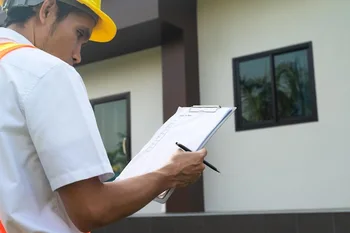
Conducting a thorough inspection of the property is a crucial step in the process of acquiring your new home. It is not just about observing the aesthetic features, but rather carrying out a detailed analysis that allows you to identify potential structural and mechanical issues. It is advisable to hire a professional inspector who can assess aspects such as the condition of the electrical system, plumbing, roofs, and foundations. This will not only help you avoid unpleasant surprises after the purchase but also provide you with a better understanding of the future maintenance that the home may require.
Additionally, during the inspection, it is essential to pay attention to seemingly minor details, such as cracks in the walls or signs of moisture. These may indicate more serious problems that could lead to significant expenses if not properly addressed. Take this opportunity to ask the seller any concerns you may have and request documentation related to previous repairs or existing warranties. A thorough inspection will not only give you peace of mind knowing what you are investing in, but it can also serve as a negotiation tool if defects requiring immediate attention are identified.
Make sure to have clear and approved funding.
Ensuring that you have clear and approved financing is a crucial step in the process of acquiring your new home. Before you start looking for properties, it is advisable to approach financial institutions to obtain a mortgage pre-approval. This document will not only provide you with a clear idea of your budget but will also position you as a serious buyer in the eyes of sellers. With secured financing, you will be able to make more informed decisions and avoid unpleasant surprises during the process. Additionally, it is important to carefully read the terms and conditions of any proposed financing. Make sure to understand the interest rates, fees, and terms associated with the loan. Do not hesitate to ask questions and seek clarification if something is not clear. Well-understood financing will not only help you maintain your peace of mind during the transaction but will also allow you to plan your future expenses adequately, ensuring that the purchase of your home is a positive and smooth experience.
Review all the legal documents involved in the purchase.
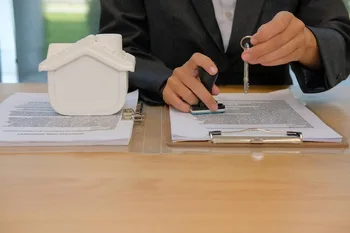
When purchasing a home, it is crucial to review all the legal documents involved in the transaction. This includes, but is not limited to, the purchase agreement, property deeds, and any documents related to existing mortgages or liens on the property. Ensure that all terms are clear and fair to both parties, and do not hesitate to request clarifications if something is not transparent to you. A thorough review of these documents can help you identify potential legal or financial issues that may arise later.
It is also advisable to seek the advice of a real estate attorney to ensure everything is in order. An expert can help you interpret complicated clauses and ensure that your rights as a buyer are protected. Do not underestimate the importance of this step; a mistake in the legal documentation could cost you valuable time and resources in the future. At the end of the day, having clarity on every legal aspect will allow you to enjoy your new home without worries that may arise later.
Consider hiring a real estate attorney.
When acquiring a new home, it is advisable to consider hiring a lawyer specialized in real estate. This professional can provide you with valuable insight into the legal aspects of the transaction, ensuring that all documents are in order and comply with current regulations. Their experience will help you avoid potential issues that could arise after the purchase, such as disputes over the title of ownership or unclear clauses in the contract. A competent lawyer will not only review the documents but will also be able to advise you on how to protect your rights as a buyer.
Additionally, a specialized lawyer can be your best ally during the negotiation of the price and the terms of the contract. With their support, you will have greater confidence when addressing any concerns with the seller or their agent. They will also help you identify potential risks associated with the property, such as liens or structural issues that may affect its long-term value. In summary, investing in the right legal assistance when acquiring your new home is a smart decision that will provide you with peace of mind and security in this important step towards your future.
Don't forget to negotiate favorable terms.
Negotiating favorable terms is a crucial step in the process of acquiring your new home. It's not just about the purchase price, but also other aspects that can significantly impact your long-term investment. From the inclusion of appliances to the possibility of making repairs before closing, every detail matters. When addressing this issue with the seller or their agent, it's important to be well-informed about the market and comparable properties in the area to support your proposals. Effective negotiation can lead to substantial savings and a much more satisfying experience.
Additionally, remember that negotiating is not limited to just price and material conditions; you can also discuss closing timelines, deposits, and contingencies that protect your investment. For example, if you are buying a property that needs significant repairs, you could ask the seller to cover part of the costs or to make certain improvements before the sale. Maintaining clear and open communication with all parties involved will create a conducive environment for reaching beneficial agreements. Ultimately, being proactive in negotiation allows you to create conditions that ensure not only a secure transaction but also a smoother transition to your new home.
Close the transaction with peace of mind: verify everything before signing.
When it comes time to sign, it is essential that you do not rush and that you verify all the details of the transaction. Make sure that the contract accurately reflects what has been agreed upon in terms of price, conditions, and any other additional agreements. Review each clause carefully; even a small mistake can have significant long-term consequences. If you have any doubts about any legal or financial aspect, do not hesitate to consult with a real estate attorney for clarity and peace of mind before you sign.
In addition to reviewing the contract, it is advisable to ensure that all necessary documents are in order. This includes checking the legal status of the property, making sure there are no outstanding mortgages or liens, as well as confirming that tax payments are up to date. A final visit to the property will also allow you to verify its physical condition and ensure that everything is as agreed. Closing the transaction with this attention to detail will provide you with the confidence needed to start this new phase without worries or unwanted surprises.
Advertisements
More in Checklist
Buying Process, Checklist
Tips for ensuring a successful closing on your home purchase

Buying Process, Checklist
Tips for choosing the perfect location when buying your home

Buying Process, Checklist
Tips for ensuring clarity in the purchase of your ideal home

Buying Process, Checklist
Tips for a home purchase that promotes your well-being
Most viewed in Buying Process

Buying Process, Legal Verification
Fundamental Aspects to Ensure Your Real Estate Purchase
Buying Process, Legal Verification
Legal Aspects That Boost Your Confidence When Buying Properties

Buying Process, Advice
Tips for choosing the ideal property without complications

Buying Process, Common Mistakes
Mistakes That Can Frustrate Your Purchase in La Fortuna