
Keys to a smooth and secure home buying process

Are you ready to take the step toward buying your new home? A smooth and secure buying process will not only save you time but also avoid unpleasant surprises. In this article, you will discover the essential keys that will guide you through each stage, ensuring you make informed and accurate decisions. With an effective checklist in hand, you will be prepared to face any challenges on your way to the home of your dreams. Let's get started!
Define your budget: set clear limits to avoid surprises.
Defining a clear budget is one of the most crucial steps in the home-buying process. Before you start looking for properties, it is essential to sit down and analyze your finances. This includes not only the price of the house itself but also other associated costs such as taxes, insurance, maintenance, and potential renovations. By setting clear limits, you will avoid falling into the temptation of exceeding your financial capabilities, which can lead to stressful and complicated situations in the future. A well-defined budget will allow you to focus on options that truly fit your economic situation.
Additionally, having a budget will help you make more informed decisions during negotiations. If you know exactly how much you can spend, you will be able to better evaluate offers and make realistic proposals without being swayed by momentary emotions. It is also advisable to include a margin for unforeseen events; this way you will be prepared for any surprises that may arise during the buying process. Remember that good financial planning will not only provide you with peace of mind, but also allow you to enjoy the exciting journey to your new home without unnecessary worries.
Advertisements
Research the market: know the trends and prices in the desired area.
Researching the market is a crucial step for any homebuyer. Before you dive into the search, it is essential to familiarize yourself with the current trends in the real estate sector of the desired area. This includes knowing what types of properties are in demand, whether prices are rising or falling, and what features are most valued by other buyers. Using tools such as real estate portals and sales statistics will provide you with a clear view of the current landscape, which will help you define your expectations and establish a realistic budget.
In addition to trends, it is also vital to investigate the average prices in the area. Compare different neighborhoods and assess how they align with your budget and personal needs. It is advisable to visit several properties to get a more concrete idea of the real market value, as well as to be aware of potential offers or negotiations that may arise. By knowing both the trends and the current prices, you will be able to make more informed decisions and avoid overpaying for your future home, thus ensuring a safe and satisfying purchase.
Mortgage prequalification: make sure you have financing available.
Mortgage prequalification is a crucial step in the home buying process, as it allows you to know in advance how much financing you can obtain and what conditions will apply to your loan. This process involves providing information about your income, debts, and assets to a lender, who will evaluate your financial situation and offer you an estimate of the maximum amount you could borrow. By having a clear understanding of your credit capacity, you will be able to set a realistic budget for the purchase of your home and avoid wasting time on properties that are beyond your financial reach.
Having a prequalification letter in hand can be a decisive factor when making an offer on a property. Sellers tend to favor buyers who have already been prequalified, as this gives them confidence that the deal will close smoothly. Having this letter not only demonstrates seriousness and interest but also places you in a better position to negotiate the final price and other terms of the contract.
Finally, remember that mortgage prequalification is not the same as final loan approval; however, it is an excellent first step to secure available financing before embarking on the active search for your new home. By being well-prepared from the start, you will reduce the risk of unpleasant surprises during the process and can focus on finding that perfect place to call home.
Selection of the real estate agent: how to choose the best ally in your search.
Choosing a real estate agent is one of the most crucial steps in your buying process. A good agent will not only provide you with their market knowledge but will also act as your advocate and guide throughout the entire transaction. To choose the best ally, start by researching references and reviews from other buyers. Look for agents with experience in the area where you want to buy, as they will have a deeper understanding of local trends, prices, and availability. An initial interview will allow you to assess their approach, answer your questions, and ensure they understand your needs and expectations.
In addition to experience and market knowledge, it is important that you feel a personal connection with the agent. Trust is essential in these types of relationships; after all, you will be sharing sensitive personal and financial information. Pay attention to how they communicate with you: a good agent should be accessible, proactive, and willing to explain every step of the process. Also consider their negotiation skills; a good agent will not only find suitable properties for you but will also fight to secure the best possible terms in your purchase. Choosing correctly can make the difference between a stressful experience and a rewarding adventure towards acquiring your new home.
Property visits: what to observe and key questions to ask.
During property visits, it is essential to observe details that may influence your purchasing decision. Start by evaluating the overall condition of the property: check the structure, electrical and plumbing systems, as well as the finishes. Also, pay attention to natural lighting and the layout of the spaces; these aspects can affect both your daily comfort and the future value of the property. Don't hesitate to explore external areas such as gardens or patios, as their maintenance can be an important factor to consider. In addition to your observations, preparing a list of key questions will help you obtain crucial information about the property. Ask about the property’s history: have there been recent repairs? Are there ongoing issues with pests or dampness? Inquire about utility and maintenance costs to get a better idea of the monthly budget. It is also helpful to ask about the community and local regulations, which will allow you to learn more about your new environment and how you will fit into it once you make the final decision.
Visiting properties is a crucial stage in the buying process; it's not just about seeing a place to live, but also ensuring that it is a home that meets your long-term needs and expectations. Armed with this information and detailed observations, you will be better prepared to make an informed offer or dismiss options that do not meet your essential criteria.
Required documentation: complete list to expedite the process.
To facilitate a smooth and effective home buying process, having the proper documentation is essential. The complete list of documents you will need may vary depending on local legislation and your personal circumstances, but there are basic elements that are indispensable. Start by gathering your official identification and proof of income, as these documents are essential to demonstrate your financial capacity to the seller or the lending entity. Additionally, prepare your credit history, as a good score can benefit you in negotiations regarding the price and loan terms.
It is also key to have documents related to the property you wish to acquire on hand. This includes the earnest money contract, property tax receipts, and any other relevant legal documents such as deeds or land registry certifications. If you are purchasing a property jointly or through mortgage financing, be sure to include all necessary documents related to that agreement. Having this documentation organized and available not only speeds up the process but also reduces the risk of unexpected setbacks during the purchase, providing you with greater peace of mind in this important investment.
Effective negotiation: strategies to get the best possible deal.
Effective negotiation is a crucial component in the home buying process, as it can make the difference between getting a fair deal or paying more than necessary. To carry out this negotiation, it is essential to research and understand the real estate market you are interested in. Establishing a price range based on similar properties and their characteristics will give you a better perspective when making an offer. Additionally, do not hesitate to use concrete data to support your arguments; this will not only allow you to appear more confident but also increase your chances of reaching a beneficial agreement.
An effective strategy during negotiation is to remain calm and be flexible in response to the seller's proposals. Actively listening to the reasons behind the asking price and being willing to engage in dialogue can open doors to creative solutions that benefit both parties. It is also advisable to set clear limits on what you are willing to accept, as well as viable alternatives if the negotiation does not progress as you expected. Remembering that buying a home is a significant investment and that every detail matters will help you stay focused on getting the best deal possible without rushing or compromising your essential needs.
Property inspection: why it is crucial before buying.
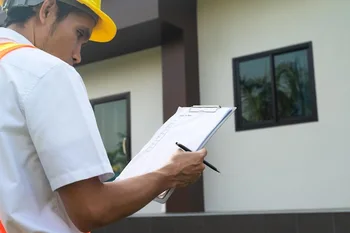
The property inspection is a crucial step in the buying process that is often overlooked. This detailed examination not only reveals the physical condition of the property but can also identify hidden issues that could be costly in the future. From structural defects to electrical or plumbing problems, a thorough inspection gives you a clear view of the true condition of the home and allows you to make more informed decisions. By knowing the potential repairs needed, you can adjust your offer or even decide whether to proceed with the purchase.
Additionally, having a well-developed inspection report can be a valuable tool in subsequent negotiations. If significant issues are discovered, you have the option to request the seller to make repairs before closing or negotiate a discount on the final price. This way, you ensure not only your initial investment but also future safety and comfort in your new home. In summary, conducting a proper property inspection is key to avoiding unpleasant surprises and ensuring that your buying experience is truly smooth and secure.
Purchase closing: final steps you need to know.
The closing of the purchase is one of the most crucial stages in the process of acquiring a home. At this point, you should ensure that all necessary documents are in order, including the purchase agreement, the deed, and any other relevant legal documents. It is advisable to have the guidance of a lawyer specialized in real estate to help you through the process and ensure that there are no hidden clauses or legal issues that may arise later. This is also the ideal time to review the terms of the financing, confirming interest rates and conditions before signing any agreement.
Once you have reviewed all the documents and are satisfied with the conditions, you will proceed to sign the deed before a notary. This step involves a formal commitment, so it is essential to be sure about your decision before doing so. After the signature, you will need to make the final payment and ensure that the property is registered in your name with the appropriate agency. Don't forget to consider other closing costs, such as taxes or additional fees. By completing these final steps, you will be ready to fully enjoy your new home without worries or unpleasant surprises.
Post-purchase adaptation: tips to enjoy your new home from day one.
Once you have completed the purchase of your new home, the real journey begins: adapting to and enjoying this new space. It is crucial that you take some time to get to know every corner of your home. Exploring the rooms, familiarizing yourself with the electrical and plumbing systems, as well as identifying access and security points will help you feel more comfortable from day one. Also consider creating a cozy atmosphere; adding personal touches like family photos, artwork, or decorative elements can make a big difference in how you perceive your new surroundings.
Also, don't forget to establish a routine that allows you to integrate your new life. Organize your spaces according to your needs and lifestyle; this will make each day more functional and enjoyable. If you have a garden or terrace, spend time taking care of it, as these spaces can become ideal retreats for relaxation. Finally, interacting with your neighbors can be key to feeling part of the community. A friendly greeting or a small introduction are simple ways to open the door to new relationships that will enrich your experience in this new chapter. Fully enjoying your home is the ultimate goal; start from day one by making small changes that will make a difference.
Advertisements
More in Checklist
Buying Process, Checklist
Tips for ensuring a successful closing on your home purchase

Buying Process, Checklist
Tips for choosing the perfect location when buying your home

Buying Process, Checklist
Tips for ensuring clarity in the purchase of your ideal home

Buying Process, Checklist
Tips for a home purchase that promotes your well-being
Most viewed in Buying Process

Buying Process, Legal Verification
Fundamental Aspects to Ensure Your Real Estate Purchase
Buying Process, Legal Verification
Legal Aspects That Boost Your Confidence When Buying Properties

Buying Process, Advice
Tips for choosing the ideal property without complications

Buying Process, Common Mistakes
Mistakes That Can Frustrate Your Purchase in La Fortuna