
Practical tips to ensure your ideal home purchase

Are you ready to take the step towards buying your ideal home? This process can be overwhelming, but with the right checklist, securing your investment becomes much easier and safer. In this article, we will provide practical tips that will guide you through each stage of the journey to your dream house. From the initial research to the final signing, you will be prepared to make informed decisions and avoid common mistakes that can cost you time and money. Let's start building the future you want!
Define your needs and priorities: What are you looking for in your home?
When starting the home buying process, it is essential to take a moment to reflect on your needs and priorities. Ask yourself: what are you really looking for in your new home? Consider aspects such as the size of the house, the number of bedrooms and bathrooms, as well as the layout of the space. It is also important to define whether you prefer a new property or a house with historical character. Making a list of your requirements will help simplify the search and prevent you from feeling overwhelmed by the available options.
Additionally, don't forget to consider external factors that may influence your decision. Location is key: think about proximity to work, schools, medical services, and recreational areas. This will not only impact your daily quality of life but also the future value of your investment. It is advisable to set a price range that fits your budget and consider additional costs such as taxes, maintenance, and utilities. By clearly defining your needs and priorities from the start, you will be better prepared to make informed decisions that bring you closer to that ideal home you desire.
Advertisements
Set a realistic budget: Calculate all the costs involved.
Establishing a realistic budget is one of the most crucial steps in the home-buying process. Before you start looking for houses, it's essential to calculate all the costs involved to avoid unpleasant surprises later on. It's not just about the price of the property; you need to consider additional expenses such as taxes, insurance, closing fees, and potential renovations. Additionally, keep in mind recurring monthly costs like mortgages, utilities, and home maintenance. Having a clear view of these expenses will allow you to set an appropriate range that does not compromise your financial stability.
Once you have a complete understanding of the costs associated with purchasing your ideal home, it is advisable to conduct a detailed analysis of your current income and expenses. This will help you determine how much you can allocate monthly to your mortgage payment without putting your personal finances at risk. Consider creating an emergency fund and setting aside a percentage for future unforeseen home-related expenses, such as unexpected repairs or urgent needs. With a well-structured and realistic budget, you will be better prepared to approach the buying process with confidence and ensure a secure and satisfying investment.
Research the local real estate market: Understand the trends and prices.
Researching the local real estate market is a crucial step in the process of buying your ideal home. Knowing the current trends and property prices will allow you to set a realistic budget and make informed decisions. Analyze the areas that interest you, paying attention to factors such as population growth, the quality of schools, access to public transportation, and proximity to essential services. It is also helpful to observe if there are planned development projects that could affect the future valuation of the property. By understanding these elements, you will have a better idea of the actual value of homes in that area.
Additionally, staying aware of market fluctuations will help you identify opportunities to negotiate better. For example, if you notice that prices are stagnant or declining, it might be the ideal time to make a lower offer. On the other hand, if you see a consistent increase in demand, you may need to act quickly to avoid missing a good opportunity. Use online tools and consult with local real estate agents to obtain updated and relevant information. A thorough market analysis will not only give you confidence in your decision but also ensure that your investment is solid and sustainable in the long term.
Make a list of properties: Organize your options effectively.
One of the keys to securing your ideal home purchase is to organize all your options effectively. When you start looking for properties, it’s easy to feel overwhelmed by the amount of information and alternatives available. To avoid this confusion, we recommend creating a detailed list of the properties that interest you, including features such as location, price, size, and overall condition. You can create a table or use digital apps that allow you to compare different options at the same time. This practice will not only make it easier to visualize your possibilities but also help you quickly identify which ones meet your requirements and expectations.
In addition to listing the properties, it is essential to include notes on each visit and any aspects you consider important. Write down your impressions of the neighborhood, the proximity to essential services like supermarkets and schools, as well as the overall atmosphere of the place. This type of information will allow you to reflect later on each option without relying solely on your memory. At the end of the selection process, you will have a clear and organized list that will guide you in making final decisions, helping you choose the home that truly fits your needs and desires.
Visit the properties: Observe important details in person.
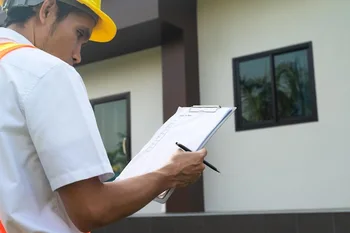
Visiting properties is a crucial step in the home buying process. While online photos and descriptions may be appealing, nothing compares to the experience of being physically present at the location. When visiting a property, you can observe details that are not captured in the images, such as the quality of the finishes, the smells, and the overall condition of the property. Additionally, walking through the neighborhood will give you a better sense of the environment and whether it aligns with your expectations and lifestyle. Take the time to do a thorough tour and pay attention to aspects that could influence your final decision.
During the visits, it is advisable to bring a checklist with the aspects you consider important. This can include everything from the layout of the spaces to natural lighting or nearby amenities. Don't hesitate to ask the real estate agent about any concerns that arise; their knowledge of the place can provide you with valuable information about the future potential of the property and the surrounding community. Also, remember to take notes or photographs during each visit to compare later between different options. This approach will help you make a more informed and confident decision when the time comes to make an offer on your future home.
Evaluate legal documentation: Make sure everything is in order.
When embarking on the journey to purchase your ideal home, it is crucial that you take the necessary time to evaluate all the legal documentation related to the property. This includes not only the title deed but also any liens, mortgages, or encumbrances that may affect your future investment. Make sure the seller has all the paperwork in order and that there are no pending legal disputes. Consulting with a lawyer specialized in real estate can be an excellent strategy to review these documents and ensure a transaction without unpleasant surprises.
In addition to verifying the validity of the title, it is important to inform yourself about local regulations and zoning laws that may affect your purchase. Knowing if there are restrictions on future modifications to the home or if commercial activities are allowed can save you future inconveniences. Do not underestimate the importance of having a complete report on the legal status of the property; this will provide you with peace of mind and security when signing the purchase agreement. Remember that good legal preparation equals a secure investment.
Consider professional advice: The help of an expert can be invaluable.
When it comes to buying a home, having the advice of a professional can make the difference between a successful transaction and a stressful experience. An experienced real estate agent not only has a deep understanding of the market but can also provide you with valuable information about available properties, price trends, and up-and-coming neighborhoods. Their expertise will help you avoid common mistakes that can arise during the process, such as overpaying for a property or overlooking important details in legal documents. Additionally, they will be able to negotiate on your behalf to secure the best possible terms.
Additionally, other professionals such as home inspectors and specialized attorneys can be invaluable resources on your path to the ideal purchase. A qualified inspector will help you identify potential problems before making the purchase, which could save you significant expenses in the long run. Meanwhile, a real estate attorney can ensure that all legal aspects are covered and that you understand every clause of the contract. By surrounding yourself with experts at every stage of the process, you will not only increase your chances of making a successful purchase but also gain confidence in facing each important decision.
Advertisements
More in Checklist
Buying Process, Checklist
Tips for ensuring a successful closing on your home purchase

Buying Process, Checklist
Tips for choosing the perfect location when buying your home

Buying Process, Checklist
Tips for ensuring clarity in the purchase of your ideal home

Buying Process, Checklist
Tips for a home purchase that promotes your well-being
Most viewed in Buying Process

Buying Process, Legal Verification
Fundamental Aspects to Ensure Your Real Estate Purchase
Buying Process, Legal Verification
Legal Aspects That Boost Your Confidence When Buying Properties

Buying Process, Advice
Tips for choosing the ideal property without complications

Buying Process, Common Mistakes
Mistakes That Can Frustrate Your Purchase in La Fortuna