
Strategies for a home purchase that inspire trust and security

Are you ready to take the big step towards buying your ideal home? In this article, we will provide effective strategies that will inspire confidence and security at every stage of the process. From the initial research to signing the contract, our checklist will guide you to make informed decisions and avoid unpleasant surprises. Buying a home is one of the most important investments of your life; make sure to do it with peace of mind and certainty.
Define your budget: How much can you invest without compromising your financial stability?
Defining a clear budget is essential in the process of buying a home. Before you start looking for properties, evaluate your current financial situation and determine how much you can allocate to this investment without jeopardizing your economic stability. Consider your monthly income, fixed and variable expenses, as well as any savings you can use as a down payment. It is important to be realistic; setting a limit will help you filter options and focus on those that truly fit your capabilities.
In addition to the price of the home, don't forget to consider other costs associated with the purchase, such as taxes, homeowners insurance, and maintenance expenses. These factors can significantly impact your monthly budget, and it's vital to take them into account to avoid surprises later on. While it may be tempting to stretch a bit beyond what you've planned to find the perfect house, remember that a prudent financial decision is key to securing not only your new home but also your long-term peace of mind.
Advertisements
Research the market: Keys to understanding real estate trends in Costa Rica.
To make a home purchase in Costa Rica that inspires trust and security, it is essential to research the local real estate market. This involves familiarizing yourself with the different areas of the country, as well as understanding the specific characteristics of each region. Conduct an analysis of supply and demand in the regions that interest you, as this will directly influence prices and the availability of properties. Consider factors such as proximity to essential services, schools, public transportation, and recreational areas, as all these elements impact not only your quality of life but also the long-term value of your investment.
In addition to the location, it is crucial to be aware of the current real estate market trends in Costa Rica. Research the most sought-after types of properties and the price ranges to have a clear idea of what to expect. Stay informed about government policies related to housing and the programs available for first-time buyers; this will allow you to access benefits or incentives that could facilitate your purchasing process. By understanding these market dynamics, you will be able to make more informed decisions and feel confident when choosing your future home.
Choose the ideal location: Factors to consider when selecting the perfect neighborhood.
When choosing the ideal location for your new home, it is essential to consider a number of factors that influence not only your quality of life but also the long-term value of your investment. One of the most important aspects is the proximity to essential services such as schools, hospitals, supermarkets, and public transportation. Living in a neighborhood with easy access to these amenities can significantly enhance your day-to-day life and facilitate daily activities. Additionally, make sure to research the social and cultural environment of the area; a neighborhood that fosters a sense of community can enrich your experience and provide opportunities to establish meaningful connections.
Another crucial factor to consider is the safety of the neighborhood. Research local crime statistics and talk to current residents to gain a clear insight into the area's security. A safe environment will not only provide you with peace of mind but is also a decisive element in maintaining or increasing the value of your property over time. Finally, consider the projections for future development in the region; growing areas can offer an excellent return on investment as new infrastructure is built and the quality of life improves. By carefully evaluating these factors, you will be better prepared to select the perfect neighborhood that aligns with your needs and aspirations.
Credit Prequalification: How to Secure Financing Before Searching for Properties.
Credit prequalification is a fundamental step that not only gives you a clear idea of your purchasing power but also allows you to act confidently in a competitive market. By obtaining a prequalification letter, you are demonstrating to sellers and real estate agents that you are a serious and prepared buyer, which can add weight to your offers. This process involves a financial institution evaluating your financial situation, considering your income, debts, and assets, to determine the maximum amount you could finance. With this information in hand, you can focus your search on properties within your financial range without wasting time or energy.
Additionally, having credit prequalification will allow you to anticipate potential obstacles that may arise during the financing process. For example, if issues are identified in your credit history or inconsistencies in your financial documents, you will have time to resolve them before making an offer on a property. This not only reduces the possibility of unpleasant surprises at the closing of the deal but also positions you as a more attractive buyer to sellers. In summary, securing your financing before searching for properties is a key strategy for moving forward confidently toward the purchase of your ideal home.
Property inspection: The importance of knowing the actual condition of the property.
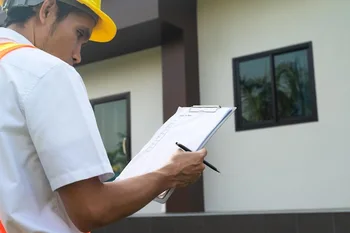
The property inspection is a crucial step in the home buying process that should not be overlooked. This procedure allows for the assessment of the actual condition of the property, identifying potential structural, electrical, or plumbing issues that could lead to significant expenses in the future. By conducting a thorough inspection, not only is a detailed report on the home's condition obtained, but it also allows for negotiation with the seller based on the findings. This provides the buyer with greater security and peace of mind, ensuring that their investment is protected against any eventuality.
Additionally, having a professional inspector can provide you with an objective perspective on the property. Often, buyers may be drawn to the aesthetics or superficial features of a house and overlook fundamental aspects that could affect its habitability and long-term value. A technical assessment allows for more informed decisions, whether to proceed with the purchase or to reconsider other options in the market. Ultimately, investing time and resources in the pre-purchase inspection is essential to ensure that your new home meets your expectations and needs without unexpected surprises after the transaction closes.
Necessary documentation: Essential checklist to avoid legal setbacks.
Buying a home not only involves finding the perfect place but also ensuring that all documentation is in order to avoid legal issues in the future. To assist you in this process, it is essential to have a checklist that includes all the necessary documents. Start by gathering your official identification, proof of income and financial status, as well as property-related documents such as the title deed, certificate of encumbrances, and tax receipts. Having all this at hand will allow you to approach negotiations with confidence and agility.
Don't forget to review the sales contract and ensure that it includes all the necessary clauses to protect your interests. It is also advisable to obtain a copy of the cadastral plan and any permits or licenses related to the construction or modifications made to the property. While it may seem overwhelming at first, going through this list will help you identify potential issues before finalizing the deal. Remember that staying organized and being meticulous with the documentation will not only inspire confidence in yourself but also in the parties involved in the transaction.
Effective negotiation: Strategies to close the deal with confidence and certainty.
Effective negotiation is one of the most valuable skills you can develop when buying a home. To close the deal with confidence and security, it is essential to prepare adequately before starting any conversation. Research the real estate market in the area you are interested in, understand the true value of the properties, and compare different options. Having concrete data will allow you to argue convincingly during the negotiation and will empower you when discussing prices and conditions. Do not hesitate to set your limits and priorities; knowing what you are willing to accept is key to achieving a favorable agreement.
During the negotiation, maintain a positive and open attitude, but also be firm in your requirements. Listen carefully to the proposals from the seller or real estate agent and do not hesitate to ask questions or request clarifications on any aspect of the contract. Sometimes, being willing to compromise on certain points can help both parties reach a satisfactory agreement. Remember that this is an important transaction; therefore, if doubts or uncertainties arise, consult with experts such as real estate agents or attorneys specializing in real estate. All of this will contribute to making your experience smoother and more transparent, ensuring that you make informed decisions up to the last moment of the purchasing process.
Advertisements
More in Checklist
Buying Process, Checklist
Tips for ensuring a successful closing on your home purchase

Buying Process, Checklist
Tips for choosing the perfect location when buying your home

Buying Process, Checklist
Tips for ensuring clarity in the purchase of your ideal home

Buying Process, Checklist
Tips for a home purchase that promotes your well-being
Most viewed in Buying Process

Buying Process, Legal Verification
Fundamental Aspects to Ensure Your Real Estate Purchase
Buying Process, Legal Verification
Legal Aspects That Boost Your Confidence When Buying Properties

Buying Process, Advice
Tips for choosing the ideal property without complications

Buying Process, Common Mistakes
Mistakes That Can Frustrate Your Purchase in La Fortuna