
Tips for a home purchase that minimizes financial risks

Are you ready to take the big step towards buying your home? Acquiring a property is one of the most significant financial commitments you will make in your life, and it is crucial to do it with the right strategy. In this article, we will provide you with a useful checklist full of practical tips that will help you minimize financial risks during the buying process. From preliminary research to signing the contract, every step counts and can make a difference in your investment. Let's start building your future home without unpleasant surprises!
Real estate market research: understand current trends
Real estate market research is a crucial step before embarking on the purchase of a home. Understanding current trends allows you to not only identify the most promising areas but also anticipate price changes that could affect your investment. This involves studying factors such as population growth, new infrastructure, or commercial developments in specific areas. Additionally, being informed about the supply and demand for homes in different neighborhoods will help you negotiate better and make more informed decisions based on concrete data.
Another crucial aspect is to be aware of the conditions of the mortgage market. Interest rates can vary significantly and have a direct impact on your ability to afford a long-term mortgage. Stay informed about the different types of loans available, as well as their requirements and benefits. It is also advisable to observe how neighboring markets behave, as there are often correlations between them that can influence your options. Thorough research will provide you with a solid foundation for making an informed purchase and avoiding unpleasant financial surprises in the future.
Advertisements
Assessment of your personal finances: are you really ready?
Before embarking on the exciting adventure of buying a home, it is essential to conduct an honest and detailed assessment of your personal finances. This means not only reviewing your current income and expenses but also considering your credit history and any outstanding debt you may have. Ask yourself if you have enough savings to cover the down payment and additional costs associated with buying a house, such as closing costs, taxes, and possible repairs. Having clarity about your financial situation will allow you to set a realistic budget and avoid unpleasant surprises in the future.
It is also important to reflect on your job stability and long-term projections. Unexpected changes in your job situation can affect your ability to make monthly payments or handle economic surprises after the purchase. Therefore, assess whether you have an emergency fund to support you in case of financial difficulties. Also, consider whether you are prepared to take on the responsibility of being a homeowner, which includes not only mortgage payments but also the ongoing maintenance of the property. Conducting this self-assessment will help you determine if you are truly ready to take this big step without compromising your financial well-being.
Importance of a realistic budget: beyond the selling price
A realistic budget is essential in the home buying process, as it goes beyond the simple sale price. This comprehensive approach allows you to consider all the costs associated with acquiring a property, from the down payment to recurring expenses such as taxes, insurance, and maintenance. By establishing a budget that includes these factors, you can avoid unpleasant financial surprises that may arise after closing the deal. Ignoring these elements can lead to situations where buyers are forced to make significant sacrifices in their quality of life or even face difficulties in meeting their mortgage obligations.
Additionally, a well-planned budget gives you the opportunity to assess your creditworthiness and financing options. Knowing your financial limitations will allow you to better negotiate the terms of the loan and choose solutions that are appropriate for your economic situation. It is also advisable to set aside an additional margin for unforeseen circumstances or expenses that may arise during the moving process and adjustment to the new home. In summary, creating a realistic budget not only protects your investment but also gives you the confidence needed to make informed and sustainable decisions in the long term.
Choosing the right location: key factors to consider
When selecting the right location for your new home, it is essential to consider various factors that will influence not only your quality of life but also the appreciation of the property over time. One of the most important aspects is the geographical location. Research the characteristics of the neighborhood, such as its safety, access to basic services (schools, hospitals, supermarkets), and public transportation options. These elements not only affect your day-to-day life but also impact the resale value of the home in case you decide to move in the future. A good location can be a loyal ally in your investment.
Another key factor to consider is the urban development and future projections of the area. Find out if there are plans for new infrastructures, parks, or businesses that could increase the neighborhood's appeal. Information about government or private projects can provide you with a clear insight into how the area will evolve and how that will affect your long-term investment. Likewise, evaluate the demographic profile of the area; areas with sustained growth tend to be more resilient to economic crises and present lower financial risks for those looking to settle there.
Professional inspection: don't skimp on this crucial stage.
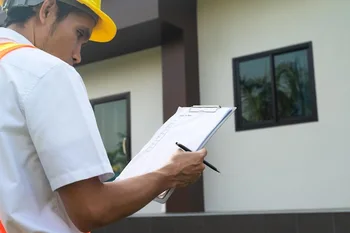
Professional inspection is a step you should not underestimate in the home buying process. Hiring a qualified inspector will allow you to identify hidden problems that may not be obvious at first glance, such as structural damage, electrical issues, or pests. These inconveniences can lead to significant expenses in the future if not detected in time. By investing in a thorough inspection, you are protecting your investment and avoiding unpleasant surprises that could compromise your financial situation.
Additionally, the inspection can provide you with a better position in negotiations with the seller. If issues are found during the evaluation, you will have solid arguments to request repairs or discounts on the purchase price. Ultimately, this crucial step not only gives you peace of mind knowing that you are buying a property in good condition, but it can also save you money in the long run by avoiding costly unexpected repairs. Remember, every detail matters when it comes to ensuring a successful acquisition free of financial risks.
Understanding additional costs: taxes and hidden expenses
When purchasing a home, it is essential to consider not only the purchase price but also the additional costs that may arise during the process. Property taxes, for example, are a recurring expense that many buyers underestimate. These taxes vary by location and can increase over time, making it crucial to research the tax rates in the area where you wish to buy. Additionally, some communities have maintenance fees or special assessments that can add a significant financial burden to your monthly budget. Be sure to include these costs in your calculations to have a clearer picture of your investment.
Hidden costs are also a critical aspect to consider. These can include closing fees, inspection costs, and legal fees, among others. Many times, buyers focus solely on the initial price of the house and overlook these additional charges that can add up quickly. To avoid unpleasant surprises when closing the purchase, it is advisable to request a detailed breakdown of all potential expenses associated with the transaction. By having a complete understanding of the costs involved, you can better plan your finances and ensure that you are making an informed and sustainable decision for your future home.
Analysis of financing options: choose your mortgage wisely.
When choosing a mortgage, it is essential to conduct a thorough analysis of the different options available in the market. Not all mortgages are the same; they vary in interest rates, terms, conditions, and fees. Take the necessary time to compare different financial institutions and mortgage products. Consider not only the nominal interest rate but also the APR (Annual Percentage Rate), which includes all costs associated with the loan. This comparison will allow you to identify the option that best fits your financial situation and long-term plans, avoiding unwanted surprises in your monthly payments.
It is also essential to understand the different types of mortgages that exist, such as fixed or variable. Fixed-rate mortgages offer stability in payments over time, while variable-rate ones can adjust according to market changes. Assess your risk tolerance and your ability to handle potential increases in monthly payments if you decide to opt for a variable mortgage. It is also advisable to consider the possibility of early repayment of part of the principal without penalties, which can give you more financial flexibility in the future. Making informed financing decisions will not only help you minimize financial risks but also contribute to enjoying your new home with peace of mind and economic security.
Hiring a reliable real estate agent: why is it essential?
Hiring a reliable real estate agent is one of the most important decisions you can make when buying a home. This professional not only has experience in the market but is also trained to guide you through the various aspects of the buying process, from the initial search to negotiation and closing the deal. A good agent will help you identify properties that fit your needs and budget, as well as avoid potential traps or hidden issues that could affect your financial investment. With their knowledge of the local market, they can provide you with valuable information about prices, trends, and neighborhoods, allowing you to make more informed decisions.
In addition to their technical expertise, a reliable real estate agent acts as your advocate in the buying process. They have the ability to negotiate on your behalf to ensure that you get the best possible terms in the contract and can identify unfavorable clauses that could compromise your financial security. With someone who has a deep understanding of the industry by your side, you can feel more confident as you navigate the complex world of property buying. Thus, having an expert ally on this journey not only minimizes financial risks but also optimizes each stage of the process toward acquiring your new home.
Thorough review of the contract: avoid misleading clauses
When you reach the point of reviewing the purchase contract for your home, it is essential to do so with care and attention. This document not only outlines the terms and conditions of the transaction, but it may also include clauses that could be detrimental to you as a buyer. Often, contracts contain technical or legal language that can be confusing, causing unfavorable conditions such as hidden penalties or additional costs to go unnoticed. Therefore, it is advisable to take the necessary time to read each section of the contract and ensure you understand all its implications.
Additionally, having the advice of a specialized real estate attorney can be a great advantage. An experienced professional can help you identify misleading clauses and negotiate modifications if necessary. Do not feel pressured to close the deal quickly; making informed decisions about the contract is key to protecting your long-term investment. Remember that a clear and transparent contract is essential to ensure a successful purchase and avoid unpleasant surprises in the future.
Strategies to negotiate the final price: assert your interests
Negotiating the final price of a home may seem challenging, but with the right strategies, you can assert your interests and reach a beneficial agreement. The first step is to be well-informed about the real estate market in the area you are interested in. Research prices of similar properties and analyze market trends to have a solid foundation when presenting your offer. Don't be afraid to express your concerns or doubts; a seller willing to negotiate will appreciate your transparency and may offer alternatives that fit your budget.
It is also essential to maintain a firm yet friendly stance during negotiations. Set a maximum limit that you are willing to pay and avoid getting carried away by the emotion of the moment. If necessary repairs or negative aspects of the property arise, use them as leverage to justify a price reduction. Remember that every euro counts when buying your home, so do not hesitate to ask for what you consider fair. At the end of the day, the key is to create a collaborative environment where both parties feel they have reached a satisfactory agreement.
Advertisements
More in Checklist
Buying Process, Checklist
Tips for ensuring a successful closing on your home purchase

Buying Process, Checklist
Tips for choosing the perfect location when buying your home

Buying Process, Checklist
Tips for ensuring clarity in the purchase of your ideal home

Buying Process, Checklist
Tips for a home purchase that promotes your well-being
Most viewed in Buying Process

Buying Process, Legal Verification
Fundamental Aspects to Ensure Your Real Estate Purchase

Buying Process, Legal Verification
Legal Aspects That Boost Your Confidence When Buying Properties

Buying Process, Advice
Tips for choosing the ideal property without complications

Buying Process, Common Mistakes
Mistakes That Can Frustrate Your Purchase in La Fortuna