
Tips for assessing the safety when buying your home.
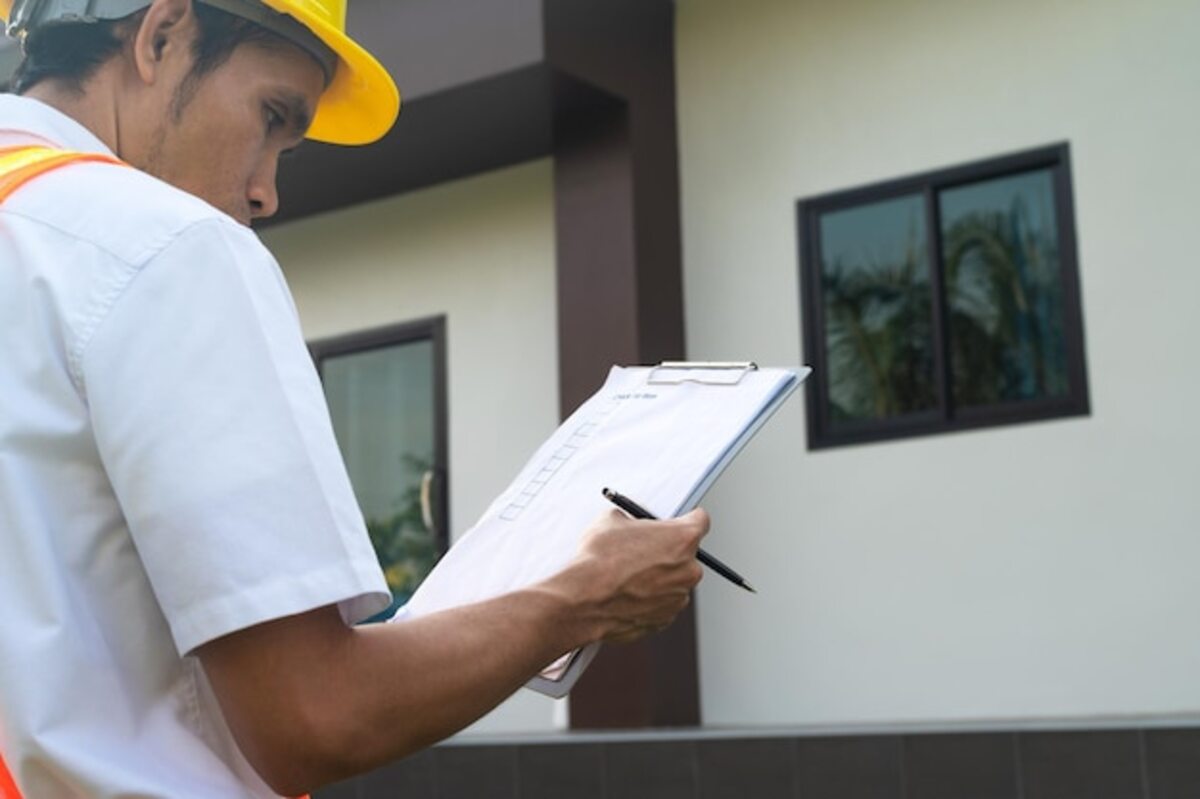
Assessing safety when buying your home is crucial to protect your investment and ensure your family's well-being. In this article, we will provide you with a detailed checklist to help you identify the essential aspects to consider during the purchasing process. From location to structural features, every element counts in your search for the ideal home. Join us and discover how to ensure that your new residence is a safe and comfortable haven.
Location analysis: Is it a safe neighborhood?
When analyzing the location of your potential new home, it is essential to thoroughly investigate the safety of the neighborhood. Start by looking at the crime statistics in the area, which are often available through government websites or local reports. Rates of violent crimes and thefts are key indicators that will give you a first impression of the overall safety of the area. Additionally, do not hesitate to ask current residents about their experiences and perceptions regarding safety; their opinions can provide you with valuable insights that are not always reflected in the numbers.
Another important aspect to consider is the presence of community services and local resources, such as nearby police stations, neighborhood watch programs, or active community associations. These initiatives are often positive signs of a safe environment committed to the well-being of its residents. Also pay attention to the condition of the neighborhood: a well-maintained community with social activity can be indicative of a safer environment. Remember that personal perception also plays a crucial role; if you feel uneasy walking the streets or if the surroundings do not inspire confidence, you may need to consider other options for your ideal home.
Advertisements
Background check of the property: History and potential issues.
When assessing the safety of purchasing a home, one of the most essential steps is to conduct a thorough background check of the property. This involves researching the history of the property, including its age, changes of ownership, and any significant events that have occurred at the site. A property with a problematic past, such as legal incidents or recurring structural issues, could pose hidden risks that affect both your financial investment and your emotional peace of mind. Consult public records and talk to neighbors to obtain additional information that is not always readily available.
In addition to investigating the history of the property, it is essential to identify potential issues that may affect your purchasing decision. This includes checking for any prior complaints regarding structural damage, infestations, or issues with utilities. Professional inspections are a vital tool in this process; a qualified inspector can detect flaws that you might not notice during a superficial visit. Be sure to also check for any liens or outstanding mortgages on the property, as this could complicate your acquisition and create future financial concerns. With this information in hand, you will be able to make more informed and secure decisions when choosing your new home.
Structural inspection: Keys to detect hidden failures.
Structural inspection is one of the most critical stages in the home buying process, as it reveals hidden flaws that can compromise the safety and value of the property. When evaluating the structure, it is essential to pay attention to aspects such as cracks in the walls, floor slope, and drainage system issues. These signs may indicate deeper problems, such as foundation damage or water infiltration, which could be costly to repair. A detailed report from a professional inspector will not only provide you with valuable information about the current condition of the property but also allow you to anticipate potential future inconveniences.
In addition to identifying visible flaws, a thorough structural inspection must include an evaluation of the home's electrical system and plumbing. It is vital to ensure that the installations comply with current regulations and are safe for daily use. The presence of outdated wiring or deteriorated pipes can pose significant risks and affect both the functionality and overall safety of your new home. Do not skimp on this step; investing in a proper inspection will provide you with peace of mind and protect your investment in the long term. Remember that thoroughly understanding the structural conditions of your future home is key to ensuring a safe environment for you and your family.
Evaluation of electrical systems and plumbing: Safety above all.
When assessing the safety of a home, it is essential to pay attention to the electrical and plumbing systems. These components are crucial for the daily functioning of a house, and their poor condition can pose significant risks. Before making a purchase, it is advisable to request a professional inspection to verify the condition of the electrical wiring, ensuring it complies with current regulations and shows no signs of deterioration or overloads. Additionally, checking the lighting system and outlets can help prevent domestic accidents related to electrical failures.
Regarding the plumbing system, it is crucial to check for leaks, blockages, or corroded pipes that could cause long-term damage. A home with plumbing issues not only involves unexpected expenses for repairs but also health risks due to potential water contamination or mold. Inspecting faucets, toilets, and drains will ensure that everything functions properly from day one in your new home. By addressing these technical aspects before closing the purchase, you will be taking an important step towards safety and well-being for you and your family.
Review of local regulations: Compliance with laws and regulations.
When acquiring a home, it is essential to conduct a thorough review of the local regulations that govern construction and property use in the area. This includes understanding building codes, zoning restrictions, and any specific regulations related to structural safety. Complying with these laws not only ensures that your new home meets minimum safety standards but also protects you from potential legal issues in the future. Furthermore, being aware of these regulations can help you identify if the property has undergone unauthorized modifications, which could compromise its integrity or value.
The importance of reviewing local regulations goes beyond legal compliance; it also relates to the quality of life in your new environment. Some areas may have regulations regarding public space maintenance, noise control, and environmental care, which directly impacts your experience as a resident. By informing yourself about these aspects, you can make more informed decisions that not only benefit your initial investment but also contribute to a safe and pleasant environment for you and your family in the long term. Therefore, before finalizing the purchase, make sure to consult with professionals or local authorities who can provide you with updated and relevant information about current regulations.
Consult with neighbors: Opinions about the area's safety.
Consulting with neighbors is one of the most effective strategies to gather firsthand information about safety in a particular area. By speaking with those who already reside in the neighborhood, you can gain valuable insights into crime rates, the general atmosphere, and any issues that may affect your peace of mind. Ask about their daily experiences, whether they have witnessed any criminal incidents, or if they feel there is good community watch. This type of interaction will not only provide you with concrete data but also give you a sense of the community spirit present in the area.
Additionally, observe how neighbors interact with each other. An environment where people know and care for each other is often a positive indicator of safety. Don't hesitate to ask about the existence of community groups or neighborhood patrols; these initiatives are often essential for maintaining security and fostering a harmonious environment. It is also helpful to learn about local resources available, such as nearby police stations or early warning systems that can help prevent problems before they arise. With this information in hand, you will be able to make more informed decisions when selecting your new home.
Checking nearby services: Access to emergencies and basic services.
When evaluating the safety of a home, one of the most important aspects to consider is the proximity of essential and emergency services. Having quick access to hospitals, police stations, and fire departments can make a difference in critical situations. Researching the distance and the time it would take to reach these services from your future home not only provides peace of mind but is also an essential factor for the overall safety of the neighborhood. Additionally, make sure to know the operating hours and availability of these services, as some areas may have limitations outside of regular hours.
You should also consider other basic services such as supermarkets, pharmacies, and educational centers nearby. Access to these resources not only improves your quality of life but also influences the future value of your property. A neighborhood that offers convenience in terms of essential services tends to be more attractive to potential buyers or renters. Therefore, when conducting a thorough evaluation of the location of your potential home, emphasize how these elements contribute to a safe and functional environment for you and your family.
Insurance considerations: Protecting your new investment.
When acquiring a new home, it is essential to consider the importance of insurance as a key tool to protect your investment. An adequate home insurance not only provides peace of mind but also safeguards you against unexpected situations, such as damage from natural disasters, theft, or accidents. Researching the different policies available on the market is crucial; make sure to compare coverages, deductibles, and specific conditions that fit your needs and the type of property you are buying. Don't forget to inquire about discounts for security measures implemented in your home, such as alarm systems or reinforced locks.
In addition to basic homeowners insurance, consider the possibility of acquiring additional coverages that may be relevant depending on the location and characteristics of the property. For example, if your new home is in an area prone to floods or earthquakes, specific insurance against these risks can make the difference between a quick recovery and facing significant losses. It is also advisable to take into account the cost of insurance within your overall budget when evaluating the home purchase. Remember that a proactive approach to protecting your investment will not only safeguard your material possessions but also ensure a safer and more stable environment for you and your family.
Advertisements
More in Checklist
Buying Process, Checklist
Tips for ensuring a successful closing on your home purchase

Buying Process, Checklist
Tips for choosing the perfect location when buying your home

Buying Process, Checklist
Tips for ensuring clarity in the purchase of your ideal home

Buying Process, Checklist
Tips for a home purchase that promotes your well-being
Most viewed in Buying Process

Buying Process, Legal Verification
Fundamental Aspects to Ensure Your Real Estate Purchase
Buying Process, Legal Verification
Legal Aspects That Boost Your Confidence When Buying Properties

Buying Process, Advice
Tips for choosing the ideal property without complications

Buying Process, Common Mistakes
Mistakes That Can Frustrate Your Purchase in La Fortuna