
Tips for ensuring clarity and confidence when buying a home
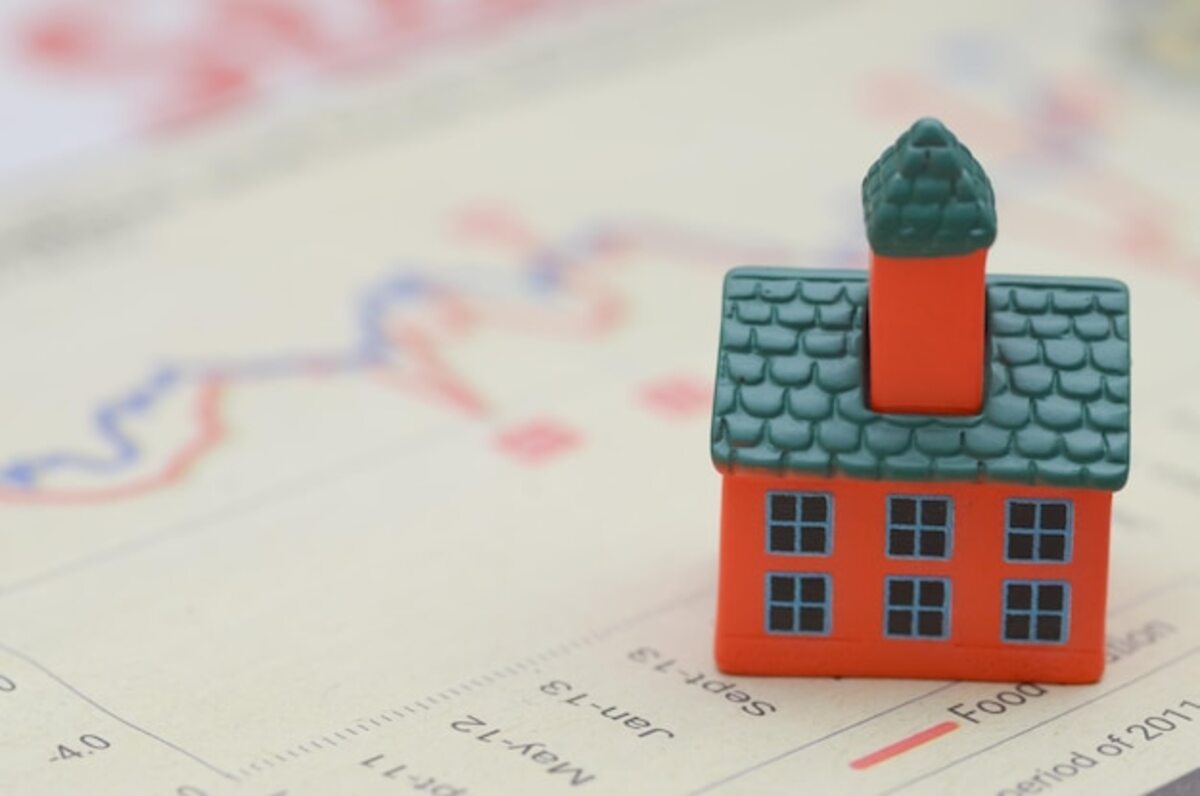
Buying a home is one of the most important decisions in anyone's life. However, the process can be overwhelming and full of uncertainties. In this article, we will provide effective tips that will help you ensure clarity and confidence when making this crucial investment. With a well-structured checklist, you will be able to navigate each stage of the home-buying process in an informed and secure manner, avoiding common mistakes that can cost you time and money. Get ready to make sound decisions on your path to the home of your dreams.
Set a realistic budget.
Setting a realistic budget is the first crucial step in the home buying process. Before you start looking for properties, it is essential to evaluate your personal finances and determine how much you can afford to spend without compromising your economic stability. This includes not only the price of the home but also other associated costs, such as taxes, insurance, maintenance, and closing costs. Conduct a detailed analysis of your monthly income and fixed expenses to establish an appropriate price range that allows you to make a safe and sustainable purchase.
Also, consider getting pre-approval for a mortgage loan, as this will give you a clearer idea of the amount you can finance. By knowing your credit capacity and the applicable interest rates, you will be able to adjust your budget more accurately. Don't forget to leave a margin for unexpected expenses or future investments in home improvements. By establishing a realistic budget from the beginning, you will not only reduce anxiety during the buying process but also increase your chances of finding a home that meets your long-term needs and financial expectations.
Advertisements
Research the location.
Researching the location of a home is essential to ensure that your investment is sound and satisfactory in the long term. The location not only affects the resale value of the property but also influences your daily quality of life. Consider factors such as proximity to workplaces, schools, hospitals, and essential services. Additionally, evaluate the available public transportation and the main routes that facilitate commuting. A good location can save you time and enhance your everyday experience, so spending time on this research could be one of the smartest decisions you make.
Don't forget to consider the neighborhood environment as well. Research the area's safety, crime rates, and the overall reputation of the neighborhood. Talking to current residents or visiting at different times of the day will give you a clearer perspective on what it's really like to live there. Additionally, it's important to pay attention to the future development of the area; planned projects like new infrastructure or businesses can increase the value of your home over time, as well as improve your quality of life. In summary, investing in proper research about the location will allow you to make informed and secure decisions when it comes to buying your home.
Verify the legal documentation
One of the most crucial steps when buying a home is to verify the legal documentation related to the property. This includes reviewing the property deed, ensuring that the seller is the legitimate owner and that there are no encumbrances or liens on the property. Additionally, it is essential to confirm that the home has all the necessary licenses and permits, especially if any remodeling or expansion has been done. This process not only protects your investment but also provides peace of mind knowing that you are acquiring a legally secure and problem-free asset.
It is also advisable to request a cadastral report to ensure that the information about the size and characteristics of the land matches what is being offered to you. You should also check if there are any ongoing legal disputes related to the property or if it is subject to any type of lien. Involving a lawyer specialized in real estate at this stage can be a smart investment; their expertise will help you identify potential issues before finalizing the purchase, thus ensuring a transparent transaction without unpleasant surprises in the future.
Conduct a thorough inspection.
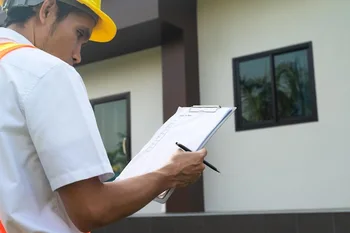
One of the most critical stages in the process of buying a home is to conduct a thorough inspection of the property. This evaluation should not only focus on aesthetic appearance, but it is also essential to examine structural and functional aspects. Hiring a professional inspector can be a smart investment, as it will provide you with a detailed report on the condition of the property, identifying potential issues such as plumbing damage, inadequate electrical systems, or roof problems. With this information in hand, you will be able to make more informed decisions and negotiate favorable terms with the seller if any flaws are detected.
In addition to hiring an inspector, it is advisable for you to conduct a preliminary inspection yourself during property visits. Pay attention to details such as unusual odors, dampness on the walls, or windows that do not close properly. It is also helpful to ask the current owner about any previous issues and repairs made. This knowledge will give you a clear understanding of the necessary maintenance and help avoid unpleasant surprises after the purchase. Ultimately, a thorough inspection not only protects your investment but also fosters confidence in your buying decision by ensuring that you are acquiring a safe and comfortable home.
Analyze the available funding.
When it comes to buying a home, analyzing the available financing is a crucial step that you should not overlook. There are various financing options, from traditional mortgage loans to government programs that can ease the process for certain buyers. It is important to research and compare the interest rates, terms, and requirements of each option before making a decision. Make sure to review your personal financial situation and determine how much you can afford to pay monthly without compromising your economic stability.
Consider obtaining pre-approval for a mortgage loan. This will not only help you know the exact amount you can finance, but it will also give you an advantage in negotiations when making an offer on a property. Having a clear financial backing will allow you to act quickly in a competitive market and demonstrate to sellers that you are a serious buyer. Don't forget to consult with financial advisors or real estate agents for guidance on the best financing strategy for your specific needs.
Understand the additional costs
When considering the purchase of a home, it is essential not only to focus on the price of the property but also on the additional costs that may arise during the process. These expenses can include property taxes, closing fees, insurance, and maintenance costs. Ignoring these aspects can lead to unpleasant surprises and affect your long-term budget. Therefore, it is crucial to conduct a detailed analysis of all potential expenses associated with the purchase to ensure that you are making an informed financial decision.
In addition to the inherent transaction costs, you must consider the recurring expenses that come with ownership. This includes monthly bills such as utilities, community fees (if applicable), as well as regular home maintenance. Establishing an emergency fund can be a prudent strategy to cover unexpected repairs or necessary improvements to the property. By understanding and planning for these additional costs, you can create a clearer financial picture that will allow you to fully enjoy your new home without unforeseen financial worries.
Consult with industry professionals
Consulting with industry professionals is a crucial step to ensure clarity and confidence when buying a home. Experts such as real estate agents, appraisers, and attorneys specialized in real estate can provide you with valuable information about the local market, price trends, and the legality of each transaction. With their guidance, you can make more informed decisions and minimize the risk of facing unpleasant surprises in the future. Furthermore, these professionals understand the intricacies of the buying process and can guide you through it, ensuring that no crucial detail is overlooked.
Also, do not underestimate the importance of technical inspections carried out by specialists. A home inspector can identify hidden problems that could affect your long-term investment, such as structural damage or electrical issues. This guidance will allow you to negotiate better and have a clear understanding of what you are acquiring. Remember that investing in the right professional help not only provides you with peace of mind during the process but can also save you money on future repairs and ensure that you are making a safe and satisfactory purchase.
Assess the potential for appreciation
One of the most important considerations when buying a home is evaluating its long-term appreciation potential. This involves researching various factors that can influence the property's value over time, such as location, urban development in the area, and real estate market trends. Growing areas, which show improvements in infrastructure and services, tend to have a greater potential for value increase. Additionally, proximity to quality schools, public transport, and shopping centers are elements that not only attract future buyers but can also make your initial investment appreciate over time.
In addition to the location, it is crucial to review urban planning and future projects in the area. For example, if there are plans to build new parks or recreational centers nearby, this could significantly improve the quality of life in the neighborhood and attract more residents. It is also advisable to analyze recent comparables: similar properties sold in the area can provide you with a clear picture of how the local market has fluctuated. By considering these aspects before making your purchase, you not only ensure a suitable choice for your current needs but also strategically position yourself to maximize your long-term investment.
Consider future needs
When considering the purchase of a home, it is essential to think not only about your current needs but also about future ones. Life is full of changes: from the arrival of new family members to the desire for a larger space to work from home. Therefore, analyze how your personal situation might evolve in the coming years. Ask yourself if the house you are considering can adapt to a changing lifestyle and if it offers enough flexibility to meet those new demands. A property with extra space or an open layout can provide you with the versatility you will need in the future.
It is also important to research the neighborhood and its long-term outlook. Developing areas can be attractive due to their potential for appreciation, but it is also crucial to assess whether the infrastructure, services, and amenities will remain suitable for you over time. Check urban planning or community initiatives that may impact your quality of life. By anticipating your future needs and understanding the context of the environment where you plan to invest, you will be able to make more informed and secure decisions that will benefit your well-being and long-term stability.
Don't rush: take your time.
When buying a home, impatience can lead you to make hasty decisions that you might later regret. It is essential to remember that this process is significant and requires time to properly evaluate all available options. Take the necessary time to research different neighborhoods, compare prices, and study the real estate market. By doing so, you not only ensure that you choose the right property, but you will also be able to identify opportunities that may have been overlooked in the midst of urgency. This deliberate approach will help you feel more confident about your investment.
Additionally, taking time to reflect on your needs and priorities will allow you to establish a clear approach during your home search. Ask yourself what features are essential for you: do you need extra space to work from home? Do you prefer to be close to schools or parks? Taking the time to define these aspects will not only make your search easier but also reduce the likelihood of future regrets. Remember, finding your ideal home is a personal journey; enjoying the process can make the experience even more rewarding and enriching.
Advertisements
More in Checklist
Buying Process, Checklist
Tips for ensuring a successful closing on your home purchase

Buying Process, Checklist
Tips for choosing the perfect location when buying your home

Buying Process, Checklist
Tips for ensuring clarity in the purchase of your ideal home

Buying Process, Checklist
Tips for a home purchase that promotes your well-being
Most viewed in Buying Process

Buying Process, Legal Verification
Fundamental Aspects to Ensure Your Real Estate Purchase

Buying Process, Legal Verification
Legal Aspects That Boost Your Confidence When Buying Properties

Buying Process, Advice
Tips for choosing the ideal property without complications

Buying Process, Common Mistakes
Mistakes That Can Frustrate Your Purchase in La Fortuna