
Tips for understanding financing in home buying
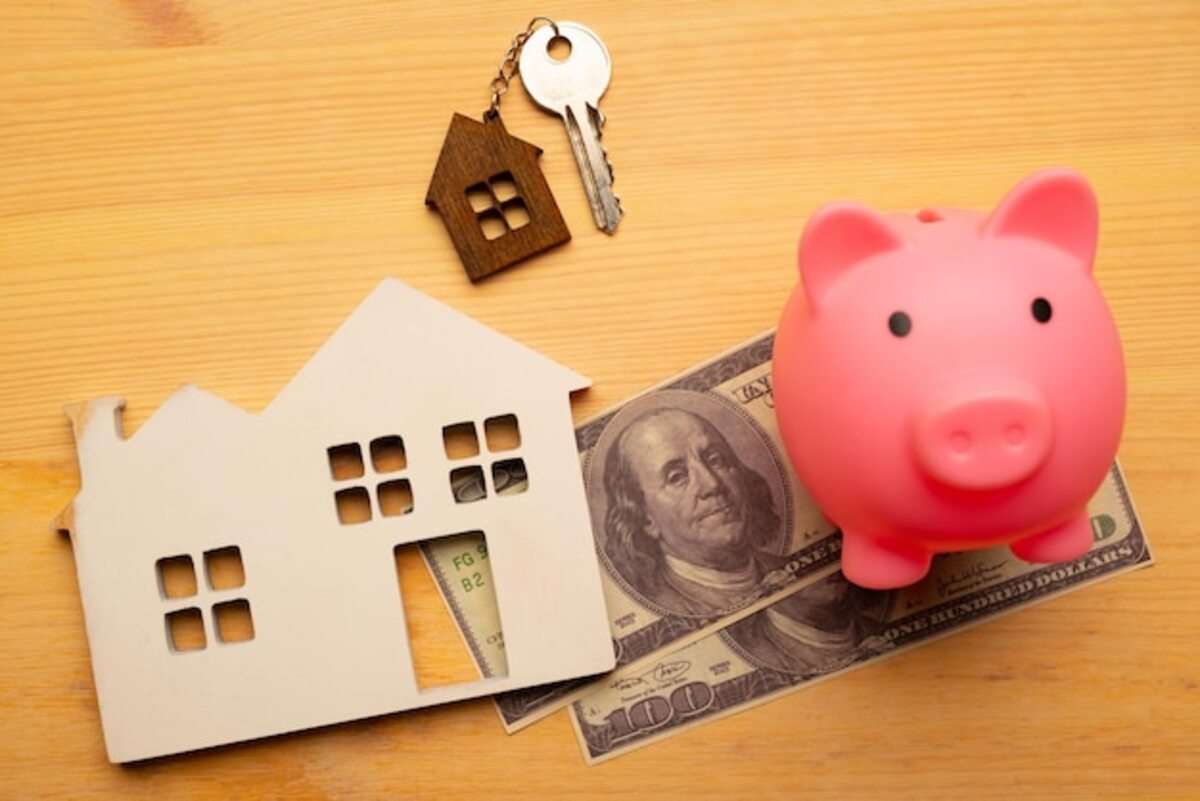
Understanding financing in home buying is crucial for making informed decisions and avoiding unpleasant surprises. In this checklist, we will offer practical tips to help you navigate the complex world of mortgages, interest rates, and payment options. Get ready to purchase your home with confidence, knowing that you have the necessary tools to evaluate your financial options and make the best possible choice.
What is housing finance?
Housing financing refers to the process by which a buyer obtains the necessary economic resources to acquire a property. This type of financing generally involves obtaining a mortgage loan, which is a form of long-term credit where the acquired property acts as collateral. Through this mechanism, buyers can access funds that allow them to pay the total price of the property, spreading the cost into monthly installments over a specified period. This makes it possible for many people to become homeowners without needing the full amount in cash at the time of purchase.
There are different types of financing for home purchases, each with its specific characteristics and conditions. Some options include conventional mortgages, government-backed loans, and special programs aimed at certain groups, such as first-time buyers or individuals with low or moderate incomes. Additionally, interest rates can vary significantly depending on the credit profile of the applicant and the type of loan chosen. Understanding these variations is essential for making informed decisions and selecting the most suitable option according to the buyer's financial and personal needs.
Advertisements
Types of financing available in Costa Rica
In Costa Rica, there are various financing options that adapt to the needs and capabilities of each buyer. One of the most common alternatives is the traditional mortgage, which is generally offered by banks and financial institutions. This type of financing allows for the acquisition of a property through installment payments, with fixed or variable interest rates, which facilitates long-term financial planning. Additionally, the requirements usually include a thorough analysis of the applicant's credit situation and an evaluation of the property's value.
Another viable option is financing through the National Institute of Housing and Urbanism (INVU) or government programs aimed at specific sectors. These initiatives may offer more favorable conditions, such as reduced interest rates or longer payment terms. Additionally, some cooperatives also provide mortgage loans with additional benefits for their members. It is essential to research all these options and compare the available offers to find the best financial solution that fits your needs and expectations in purchasing a home.
How to calculate your credit capacity
Calculating your credit capacity is a fundamental step before embarking on the purchase of a home. To do this, it's important to assess your monthly income and fixed expenses, including existing debts such as student loans or credit cards. A general rule suggests that you should not allocate more than 28% to 30% of your gross monthly income to mortgage payments. Additionally, consider other costs associated with the property, such as property taxes and insurance, to have a clear view of how much you can actually afford without compromising your financial stability.
A useful tool for calculating your credit capacity is the use of mortgage calculators available online. These tools allow you to input different variables such as the desired loan amount, interest rate, and financing term, giving you a monthly estimate that you can manage. It is also advisable to review your credit history and score, as these factors will influence the rates that financial institutions will offer you. By having all this information organized, you will be able to make informed decisions that are appropriate for your current economic situation.
Interest rates: fixed vs. variable
When evaluating financing for the purchase of a home, one of the most important aspects to consider is the interest rates, which can be fixed or variable. Fixed rates offer the advantage of stability; this means that your monthly payment will remain constant throughout the life of the loan, making long-term financial planning easier. This type of rate can be particularly beneficial in an uncertain economic environment, as it protects you against potential increases in market interest rates. However, they often have a higher initial cost and you may not benefit from rate reductions if they decrease. On the other hand, variable rates may offer lower initial payments and the possibility of benefiting from a decrease in interest if the market becomes favorable. However, this type of rate carries an inherent risk: your monthly payments may increase significantly if rates rise. It is essential to weigh your options and assess your risk tolerance before deciding on a type of rate. Also consider factors such as your expected time in the home and your current financial situation to make an informed decision that fits your long-term needs.
Required documentation to apply for a loan
To apply for a mortgage loan, it is essential to present a series of documents that allow financial institutions to assess your credit profile and payment capacity. Generally, a valid identification, such as an ID card or passport, will be required, as well as proof of income that may include pay stubs, tax returns, or financial statements if you are self-employed. Additionally, having a clean and updated credit history will facilitate the process and help you obtain more favorable conditions on your loan.
Another important aspect is the documentation related to the property you wish to acquire, which may include the purchase agreement and any information about the property appraisal. Depending on the lender, you may also need to demonstrate your savings and other assets to strengthen your application. By gathering all this documentation before starting the process, you will not only optimize your time but also increase your chances of success in obtaining the necessary financing to make your dream of homeownership a reality.
The importance of the down payment in home buying
The importance of the down payment in home buying cannot be underestimated, as this initial payment is essential for establishing the foundations of a successful mortgage transaction. A higher down payment can significantly reduce the total loan amount, which in turn decreases the interest you will have to pay over time. Additionally, a good down payment shows lenders that you are a serious and responsible buyer, which could translate into better financing conditions and more favorable interest rates. In summary, investing in an adequate down payment not only helps secure your financial future but also facilitates the loan approval process.
Another key aspect related to the down payment is its impact on housing equity from the beginning. By making a substantial down payment, you not only reduce your mortgage debt but also begin to build equity in your new property from day one. This is especially important if you decide to sell the house or refinance it in the future. A solid investment from the outset can provide you with greater flexibility and options when making decisions about your home. Thus, wisely choosing how much to allocate to the down payment becomes a valuable strategy to ensure both your financial stability and your long-term well-being.
How to compare offers from different financial institutions
To compare offers from different financial entities, it is essential to first determine your needs and economic capabilities. This involves establishing a clear budget on how much you are willing to pay monthly and what type of financing best suits your financial profile. Once you have this information, you can start researching various financial institutions, including banks, credit unions, and online lenders. Be sure to gather information on interest rates, fees, terms, and additional conditions they may offer you. Use online tools like mortgage calculators to visualize how variations in the rate can impact your payments over time.
When comparing offers, you should not only focus on the interest rate; it is also crucial to consider other factors such as the total cost of the loan and the flexibility in payments. Some entities may offer attractive rates but with hidden costs or penalties for early repayment. Therefore, it is advisable to read the terms and conditions of each offer carefully and not hesitate to ask specific questions to financial advisors. Likewise, seek opinions and reviews about the previous experiences of other clients with those entities to gain a more complete perspective. Taking the necessary time to evaluate all these variables will allow you to make informed decisions that align with your financial goals when purchasing your home.
Legal aspects to consider when financing a home
When financing a home, it is essential to be aware of the legal aspects that may influence your experience as a buyer. One of the most important points to consider is the review of the mortgage contract. This document contains all the terms and conditions of the loan, including interest rates, terms, penalties for early payments, and other associated charges. It is crucial to read it carefully and, if necessary, seek the advice of a lawyer or real estate expert to clarify any doubts before signing. This will allow you to avoid commitments that may turn out to be unfavorable in the long run.
Another relevant legal aspect is local and state regulations regarding property purchases. Depending on your location, there may be specific rules about property taxes, consumer rights, and closing requirements. Educating yourself about these laws will help you better understand your rights and obligations as a homeowner. Additionally, make sure to verify the legal status of the property you are buying: check for any liens or outstanding mortgages that could complicate the transaction. By doing so, you will be better prepared to make a safe and smooth investment in your new home.
Common mistakes when choosing financing and how to avoid them
When choosing financing for purchasing a home, it is common for novice buyers to make mistakes that can cost them time and money. One of the most frequent is not properly comparing the offers from different financial institutions. Many are attracted to the first loan they find or to recommendations without researching other alternatives. To avoid this mistake, it is essential to obtain multiple quotes and analyze not only the interest rate but also other associated costs such as fees, insurance, and closing costs. This comparison will allow you to have a clearer view and make informed decisions.
Another common mistake is underestimating the impact of the loan term on the total cost of the home. Many buyers focus solely on the monthly payment, without considering how a longer term can result in lower payments but, at the same time, a greater total amount paid in interest over time. It is essential to evaluate your financial options in the short and long term to determine what is the most suitable term for you. Additionally, make sure to understand the terms of the contract and seek advice if there are clauses you do not fully understand; this will help you avoid unpleasant surprises in the future.
Strategies to improve your credit profile before buying
To improve your credit profile before purchasing a home, it is essential to start with a detailed review of your credit report. Ensure that there are no errors or inaccuracies that could affect your score. If you find discrepancies, contact the credit agencies to correct them. Additionally, it is advisable to pay off any outstanding debts and reduce the use of available credit; keeping a low balance on your cards will help increase your credit rating. A good practice is also to avoid opening new credit accounts just before applying for a mortgage, as each inquiry can negatively impact your score.
Another effective strategy is to establish a history of timely payments. This not only includes your current obligations such as loans and credit cards but also recurring bills like utilities or rent. Lenders view positively applicants who demonstrate financial responsibility and the ability to meet their commitments on time. Finally, if you have the opportunity, consider working with a financial advisor or a credit expert who can guide you through the process and provide personalized advice to further optimize your credit profile before taking the step towards purchasing your home.
Advertisements
More in Checklist

Buying Process, Checklist
Tips for ensuring a successful closing on your home purchase

Buying Process, Checklist
Tips for choosing the perfect location when buying your home

Buying Process, Checklist
Tips for ensuring clarity in the purchase of your ideal home

Buying Process, Checklist
Tips for a home purchase that promotes your well-being
Most viewed in Buying Process

Buying Process, Legal Verification
Fundamental Aspects to Ensure Your Real Estate Purchase

Buying Process, Legal Verification
Legal Aspects That Boost Your Confidence When Buying Properties

Buying Process, Advice
Tips for choosing the ideal property without complications

Buying Process, Common Mistakes
Mistakes That Can Frustrate Your Purchase in La Fortuna