
Tips for understanding the home buying process in Costa Rica
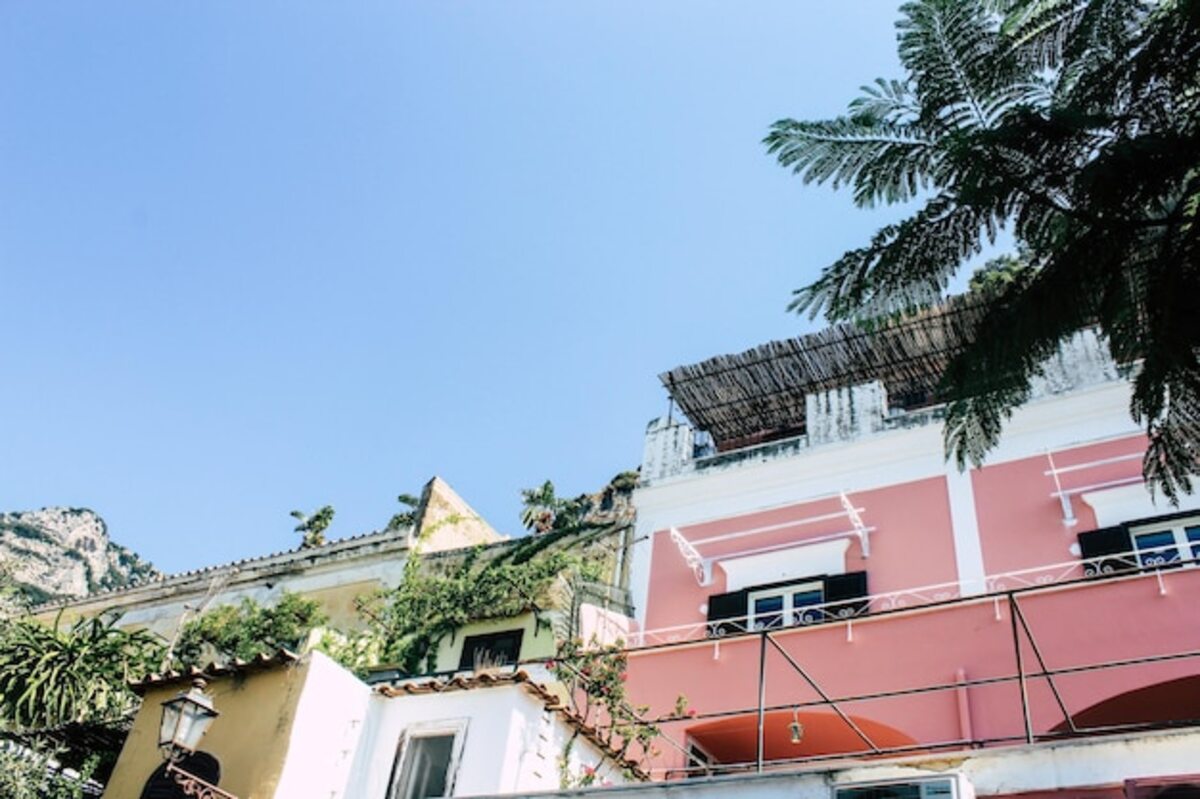
Are you ready to take the big step towards buying your home in Costa Rica? This process may seem overwhelming, but with the right advice, it becomes an exciting and rewarding experience. In this article, we will provide you with an essential checklist that will guide you through each stage of the buying process, ensuring that you don't miss any important details. Discover how to navigate the Costa Rican real estate market and make your dream of having your own home a reality.
Understanding the Real Estate Market in Costa Rica
To understand the real estate market in Costa Rica, it is essential to become familiar with its particular characteristics. Over the years, this country has proven to be an attractive destination for both locals and foreigners looking to invest in real estate. The geographical and climatic diversity of Costa Rica offers a variety of options, from city apartments to beach houses or cabins in the mountains. This richness in locations creates a competitive environment where prices can vary significantly depending on the area and market conditions, making it essential to conduct thorough research before making any decisions.
Additionally, understanding the current market trend can help you identify opportunities and avoid potential pitfalls. It is advisable to closely follow reports and analyses on the Costa Rican real estate sector, as well as consult with local real estate agents who have a deep knowledge of the area where you wish to buy. These professionals will not only provide you with valuable information about prices and availability, but they will also guide you regarding the legal aspects that must be considered when acquiring a property in Costa Rica. This way, you will be better prepared to face this exciting process with confidence and security.
Advertisements
Defining Your Budget: How Much Can You Spend?
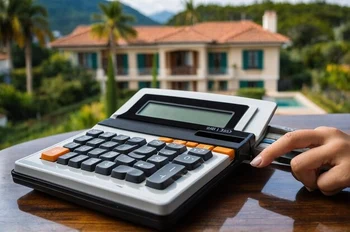
Defining your budget is one of the most crucial steps in the home buying process in Costa Rica. Before you start exploring the available options, it's essential to have clarity on how much you can spend. This includes not only the price of the property but also other associated costs, such as taxes, insurance, and maintenance expenses. A good practice is to analyze your monthly income and fixed expenses to determine a reasonable amount you are willing to invest without compromising your financial stability. Also, consider the possibility of obtaining pre-approval for a mortgage loan, which will give you a clearer idea of the price range you can handle.
Once you have an established budget, it is important to be realistic about your expectations. The real estate market in Costa Rica offers a wide variety of options, from properties in urban areas to houses in rural zones. However, each type of property comes with its own costs and features that can influence your final decision. Take the necessary time to research different neighborhoods and understand how they align with your needs and lifestyle. Remember that being flexible with your criteria can open doors to valuable opportunities within the Costa Rican market, allowing you to find a home that truly fits both your desires and your budget.
Types of Properties: Choose the Perfect Option for You
When considering the purchase of a home in Costa Rica, it is essential to understand the different types of properties available in the market. From cozy single-family homes to modern apartments and luxurious villas, each option offers unique features that can fit your needs and lifestyle. For example, if you are looking for tranquility and outdoor space, a house in the hills or near the beach could be ideal for you. On the other hand, if you prefer the convenience of living close to services and entertainment, an apartment in an urban area may be more suitable. Taking the time to assess your priorities will help you focus your search.
In addition to the location and type of property, it is also important to consider aspects such as size and the amenities you desire. Some properties may offer additional facilities like pools, common areas, or access to recreational activities. You should also think about long-term maintenance; for example, houses require more care compared to condominiums that usually have management responsible for maintenance. By clearly defining what you truly value in a property, you will be better prepared to make informed decisions and find the perfect option that fits your expectations and budget.
The Importance of Location: Key Factors to Consider
Location is one of the most crucial factors to consider when buying a home in Costa Rica. It not only influences the property's value but also affects your daily quality of life. It is essential to assess the proximity to essential services such as schools, hospitals, and supermarkets, as well as the accessibility to main roads and public transportation. Living in an area with good infrastructure can ease your commutes and enhance your daily routine, making your new home much more comfortable and functional.
In addition to basic services, it is important to research the characteristics of the neighborhood where you plan to purchase your home. Consider aspects such as the area's safety, the local community, and the overall environment. Some areas may offer a quiet, family-friendly lifestyle, while others may be more dynamic and urban. The choice of location should align with your personal preferences and family needs to ensure that you feel satisfied in your new home in the long term.
Necessary Documentation for Purchasing a Home
The purchase of a home in Costa Rica involves a series of documentary requirements that are essential to ensure a smooth process without setbacks. One of the first documents you will need is the cédula de identidad, as it is required for any legal transaction in the country. Additionally, it is important to have documentation related to your income, such as pay stubs or tax returns, which will demonstrate your financial capacity to lenders or banking institutions. It is also advisable to have your credit history on hand to understand your financial situation and negotiate the best conditions for your purchase.
Another essential document is the earnest money contract or purchase agreement, which outlines the conditions under which the transaction will take place. This document should be reviewed carefully and may require appropriate legal advice to avoid future issues. Additionally, if you are acquiring a property in a new development, be sure to request all information about building permits and relevant zoning regulations. Having all these documents ready will not only facilitate the process but also give you peace of mind knowing that you are meeting all the necessary legal requirements to become a property owner in Costa Rica.
Legal Process: Contracts and Notarial Advice
The legal process in purchasing a home in Costa Rica is essential to ensure that your investment is protected and that all legal aspects are in order. This process begins with the drafting of a sales contract, where the agreed-upon conditions between the buyer and seller are established. It is crucial that this document is clear and detailed, as any ambiguity could lead to misunderstandings or future conflicts. Having the guidance of a lawyer specialized in real estate is highly recommended, as they will help you review the contract, ensuring that all clauses are fair and beneficial for both parties.
In addition to the contract, the notarial intervention is equally important in this process. A public notary not only certifies the signatures of the parties involved but also guarantees the legality of the sale transaction. Their role includes verifying that there are no encumbrances on the property and that all documents are properly registered with the National Registry. This provides an additional layer of security and trust for both the buyer and the seller. Therefore, selecting a good notary is key; seek recommendations and verify their experience in real estate transactions to ensure you have solid support throughout the entire operation.
Financial Options: Mortgages and Available Loans
When considering the purchase of a home in Costa Rica, it is essential to understand the various financial options available. Mortgages are one of the most common alternatives, offered by banks and financial institutions that allow buyers to finance their home through monthly payments over a specified period. It is important to research the interest rates and terms offered by different institutions, as well as to know the requirements needed to qualify for a mortgage loan. Some banks may require a down payment of 20% of the property's value, while others may offer more flexible conditions.
In addition to traditional mortgages, there are other types of loans that may better suit your needs. For example, some government programs are designed to assist first-time buyers through subsidies or preferential rates. You can also explore options from private financing or credit unions that may offer more accessible terms. Don't forget to consider the total cost of the loan, including interest and fees, as this will impact your long-term financial capacity. Evaluating all these options will allow you to make informed decisions and find the best solution to make your dream of owning a home in Costa Rica a reality.
Property Inspection: Ensuring Your Investment
Property inspection is a crucial step in the home buying process, as it allows you to thoroughly understand the condition of the property and avoids unpleasant surprises in the future. By hiring a professional inspector, you can identify structural issues, pests, or potential failures in electrical and plumbing systems. This comprehensive analysis not only provides you with peace of mind but can also influence price negotiations. Remember that being well-informed about the property's conditions is essential to protect your investment.
Additionally, the property inspection gives you the opportunity to better understand the maintenance needed to keep your home in optimal condition. During this process, you can ask the inspector questions about recommended repairs and associated costs. This will not only help you budget appropriately for future improvements but also allow you to enjoy your new home more fully from day one. In summary, investing time and resources in a proper inspection is a smart decision that could save you money and stress in the long run.
Closing the Sale: Final Steps to Obtain the Keys
The closing of the sale is one of the most crucial stages in the home buying process in Costa Rica. Once you have found the ideal property and the terms have been agreed upon with the seller, it is time to formalize the transaction. This step involves the review and signing of the purchase agreement, which details all the agreed conditions, including the final price, payment methods, and any special clauses. It is advisable to have a lawyer specialized in real estate to guide you during this stage, ensuring that all documents are in order and comply with current legal regulations.
Once the contract is signed, you must make the initial payment or deposit to secure your commitment to the purchase. From here, the transfer of ownership will be processed before the National Registry. This process may take a few days or weeks depending on various administrative factors. Finally, upon meeting all the established requirements and verifying that there are no encumbrances on the property, you will receive the keys to your new home. Remember to maintain constant communication with all parties involved to ensure that every detail is handled properly until this exciting stage is completed.
Advertisements
More in Checklist
Buying Process, Checklist
Tips for ensuring a successful closing on your home purchase

Buying Process, Checklist
Tips for choosing the perfect location when buying your home

Buying Process, Checklist
Tips for ensuring clarity in the purchase of your ideal home
Buying Process, Checklist
Tips for a home purchase that promotes your well-being
Most viewed in Buying Process
Buying Process, Legal Verification
Fundamental Aspects to Ensure Your Real Estate Purchase

Buying Process, Legal Verification
Legal Aspects That Boost Your Confidence When Buying Properties
Buying Process, Advice
Tips for choosing the ideal property without complications

Buying Process, Common Mistakes
Mistakes That Can Frustrate Your Purchase in La Fortuna