
Errors in not considering security in your home purchase
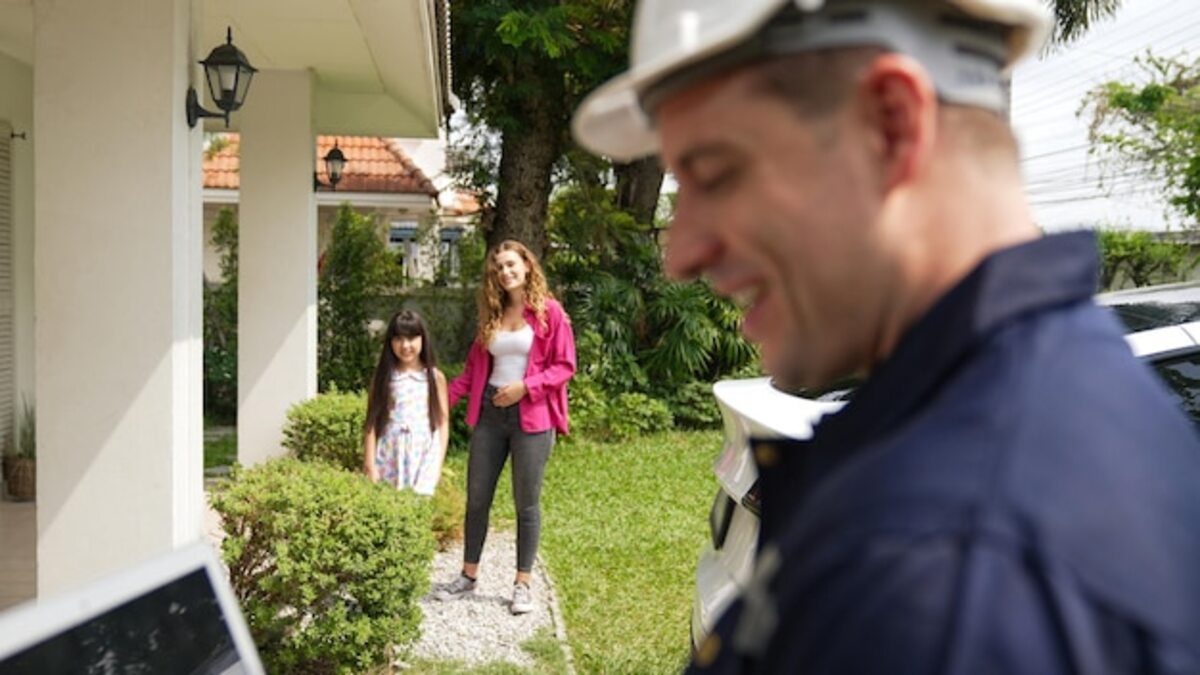
Buying a home is one of the most important decisions in anyone's life, and safety should be a priority. Ignoring key aspects related to safety can lead to costly mistakes that impact not only your investment but also your quality of life. In this article, we will explore the common mistakes buyers make by overlooking safety in their purchasing process, helping you make informed and secure decisions to protect your future.
Not researching the neighborhood: The importance of knowing the surroundings before buying.
When considering the purchase of a home, one of the most serious mistakes that can be made is not properly researching the neighborhood. The environment in which your future home is located can significantly influence your well-being and safety. Factors such as the crime rate, the presence of emergency services, and the quality of schools are elements that should be evaluated before making a decision. Ignoring these characteristics could result in an unsafe environment or in a place that does not meet your long-term needs and expectations.
Additionally, getting to know the neighborhood allows you to better understand the lifestyle you will be able to lead. Some areas offer amenities like parks, shops, and access to public transportation, while others may lack these essential facilities. By visiting the neighborhood at different times of the day and talking with local residents, you can gain valuable insights about the community. This research will not only help you make a more informed decision about where to live but will also provide you with peace of mind knowing that you have chosen a safe place for you and your family.
Advertisements
Ignoring crime reports: How to access relevant data on crime in the area.
When searching for a home, it is crucial to pay attention to crime reports in the area. Ignoring this information can lead to unpleasant surprises and affect your sense of security at home. To access relevant crime data, you can start by researching official sources like the local police, where they frequently publish statistics on crimes committed in different neighborhoods. Additionally, online platforms offer interactive maps that display crime rates by area, allowing you to clearly visualize trends and specific security issues in your potential new home.
Another effective option is to talk to the current residents of the neighborhood. They can provide you with valuable information about their personal experience with safety in the community and whether they have witnessed or heard about recent incidents. Participating in community forums or social media groups can also be helpful to gain additional perspectives and recommendations on best practices for maintaining safety in the chosen area. Remember that being well-informed is key to making sound decisions that ensure not only your financial investment but also your emotional and physical well-being when choosing a place to live.
Overlooking security infrastructure: Assessment of existing systems on the property.
When evaluating the safety of a potential home, it is crucial not to overlook the existing security infrastructure on the property. This includes elements such as locks on doors and windows, alarm systems, surveillance cameras, and the quality of fences or perimeter walls. A detailed analysis can reveal whether these systems are up to date or if they require significant improvements. Ignoring this assessment can leave you vulnerable to theft or intrusions, which will affect both your initial investment and your peace of mind once you move in.
It is also essential to research the immediate surroundings of the property. Asking neighbors about their perception of safety in the area and reviewing local crime statistics are crucial steps for gaining a clear picture. Sometimes, a home may seem safe at first glance, but being located in a neighborhood with a history of crime can be a deciding factor in reconsidering your purchase. Thoroughly evaluating all these aspects will allow you to make more informed decisions and ensure that your new home is truly safe.
Not considering the conditions of the property: Hidden risks that can affect your safety.
When considering the purchase of a home, it is essential to pay attention to the conditions of the property beyond its aesthetic appearance. Many times, buyers fall in love with a space without adequately researching its structural state, which can hide significant risks. Issues such as dampness, cracks in the walls, or outdated electrical systems may not be immediately apparent, but they pose serious threats to the safety and well-being of its occupants. Ignoring these aspects can lead not only to costly repairs in the future but also to dangerous situations that compromise the physical integrity of those living in the house.
It is also crucial to assess the immediate surroundings of the home. Factors such as the quality of the neighborhood, the level of crime in the area, and proximity to essential services (like hospitals and fire stations) are important determinants to ensure your personal and family safety. An area that seems quiet during the day can completely transform at night; therefore, conducting a thorough analysis of the social and environmental context is essential to avoid unpleasant surprises after making a significant investment. Ultimately, ensuring a safe home begins with a careful evaluation of both the property itself and its surroundings.
Dismissing access to emerging services: The relationship between proximity to hospitals and police stations.
When considering the purchase of a home, it is crucial to evaluate not only the immediate environment but also the proximity to emerging services such as hospitals and police stations. The closeness to these services can be a determining factor in the safety of your home and your peace of mind. Having a nearby hospital ensures that, in the event of a medical emergency, you will receive quick and effective care. Similarly, having a police station nearby can deter criminal behavior in the area, which increases the sense of security among residents. Furthermore, accessibility to these services not only influences crisis situations; it can also positively impact your daily quality of life. Families with young children or elderly people should pay special attention to this aspect, as medical needs can arise unexpectedly. In summary, underestimating the importance of being close to hospitals and police stations when choosing a home could result in a serious mistake that compromises both your investment and your overall well-being. Always make sure to research these areas before making a final decision about your new home.
Not hiring a specialized lawyer: Why it is essential to have legal advice during the process.
Having a lawyer specialized in the home buying process is essential to ensure that all transactions are conducted legally and safely. Many buyers underestimate the importance of this professional, believing they can handle everything themselves or relying solely on real estate agents. However, an attorney with experience in real estate transactions can identify harmful clauses in contracts, potential legal issues related to the property, and any encumbrances that may affect your investment. Ignoring this advice can lead to costly and potentially devastating legal complications in the long run.
Additionally, a specialized lawyer acts as your advocate throughout the process, ensuring that your rights are protected and that you receive all the necessary information to make informed decisions. From reviewing the property title to negotiating contractual terms, their expertise is invaluable in preventing common mistakes that could compromise your security and financial well-being. Do not underestimate the power of good legal advice; investing in a competent lawyer not only provides you with peace of mind but is also a crucial investment in the protection of one of the most important assets in your life: your home.
Forget to check the seller's background: Make sure to deal with reliable sellers.
When buying a home, it is essential to ensure that the seller is trustworthy and has a clear history. Ignoring this check can lead to problematic situations, such as purchasing a property with hidden debts or, in more severe cases, acquiring a property that does not legally belong to the seller. Before making any transaction, it is advisable to research the seller's reputation: look for online reviews, consult with other buyers, or check if they have had legal conflicts related to previous properties. This diligence not only protects you as a buyer but also helps maintain the integrity of the real estate market.
Additionally, dealing with reliable sellers can facilitate the negotiation process and the delivery of documents. A serious and honest seller will be willing to provide all the necessary information about the property and will answer your questions straightforwardly. This includes details about the structural condition of the property, legal conditions, and any additional expenses associated with the purchase. In contrast, an unreliable seller might hide significant problems or rush you into closing the deal without allowing you to conduct proper research. Therefore, taking the time to check the seller's background not only minimizes financial risks but also gives you peace of mind throughout the entire purchasing process.
Not conducting a professional inspection: The importance of detecting structural or legal issues.
One of the most critical mistakes a buyer can make when purchasing a home is neglecting to conduct a professional inspection. This thorough assessment not only focuses on the aesthetic aspects of the property but also allows for the identification of hidden structural issues, such as cracks in the foundation, water damage, or pest infestations. Ignoring these details can lead to unpleasant surprises and costly repairs in the long run. A certified inspector has the necessary knowledge to detect flaws that could compromise the safety of the home and, consequently, the quality of life of its inhabitants.
In addition to structural issues, a professional inspection can also reveal legal problems associated with the property. This includes disputes over property lines, undisclosed easements, or even issues related to permits and local regulations. Addressing these matters from the outset is crucial to avoid future complications that may affect your right to fully enjoy the property. In summary, investing in a detailed inspection before closing the purchase not only protects your financial investment but also provides peace of mind by ensuring that your new home is safe and legally viable.
Underestimating insurance and warranties: Protecting your investment against unforeseen events is crucial.
When purchasing a home, many buyers tend to underestimate the importance of insurance and warranties. Although it may seem like an additional expense at the time of purchase, these mechanisms are essential to protect your investment against unforeseen issues that may arise after acquisition. From structural damage to theft or natural disasters, having adequate insurance can make the difference between facing a devastating financial crisis or having a safety net that allows you to resolve the situation without major complications. Additionally, the warranties offered by builders or sellers can cover hidden defects or problems in the home's systems, ensuring that your new home is in optimal condition.
Ignoring these aspects can lead to unexpected situations that not only impact your wallet but also your peace of mind and quality of life. When facing serious issues like leaks, electrical failures, or even flood damage without adequate coverage, you could find yourself in a vulnerable and costly position. Therefore, it is essential to research and compare different insurance and warranty options before finalizing the purchase. Protecting your home not only involves considering its physical security but also ensuring that you are prepared for any eventuality that may affect your well-being and that of your loved ones.
Advertisements
More in Common Mistakes

Buying Process, Common Mistakes
Mistakes That Can Frustrate Your Purchase in La Fortuna
Buying Process, Common Mistakes
Tips to avoid uncertainty in your home purchase.

Buying Process, Common Mistakes
Keys to avoid confusion when buying your new home
Buying Process, Common Mistakes
Keys to making informed decisions when buying your home
Most viewed in Buying Process

Buying Process, Legal Verification
Fundamental Aspects to Ensure Your Real Estate Purchase
Buying Process, Legal Verification
Legal Aspects That Boost Your Confidence When Buying Properties

Buying Process, Advice
Tips for choosing the ideal property without complications
Buying Process, Common Mistakes
Mistakes That Can Frustrate Your Purchase in La Fortuna