
Keys to avoid losses when buying your new home
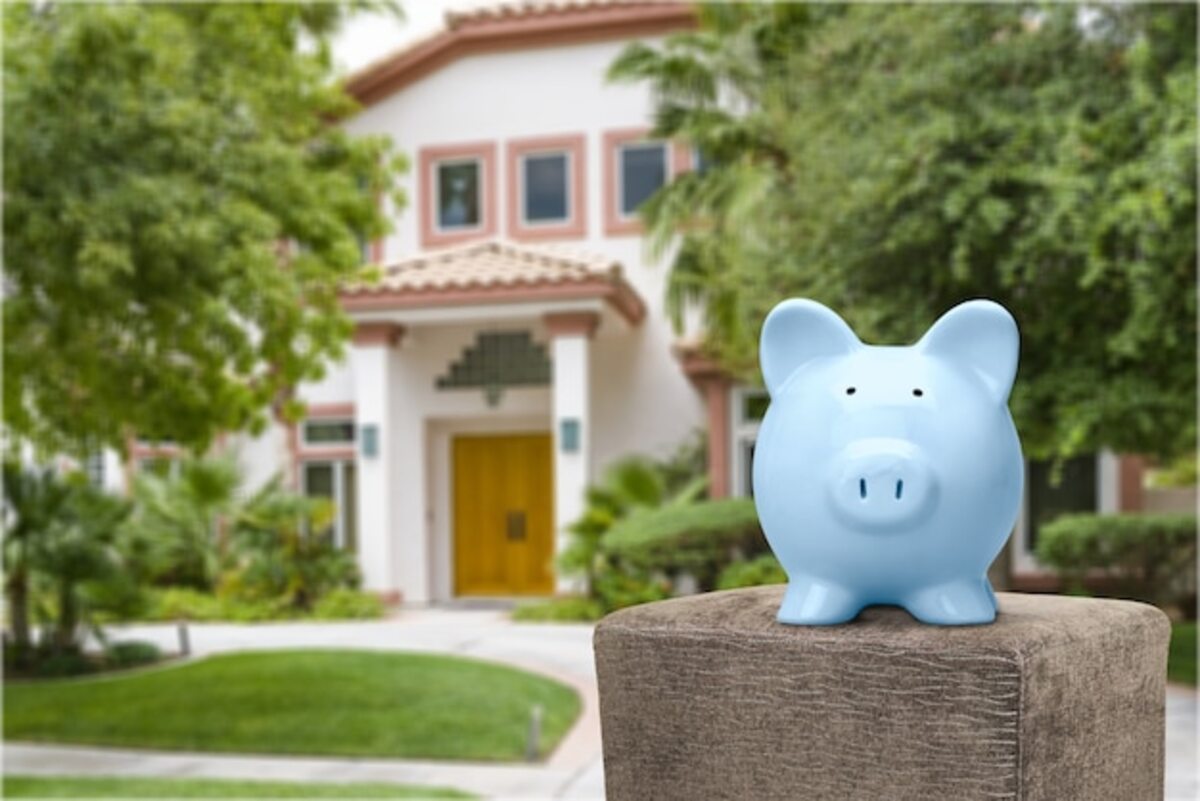
Avoiding losses when buying your new home is essential to ensure that your investment is worthwhile. In this article, we will explore common mistakes many make during the buying process and how to avoid them. From not adequately researching the property to forgetting to review important documents, every decision matters. Learn to make informed choices and protect your wallet while finding your dream home in Costa Rica.
The importance of thorough neighborhood research
The importance of conducting thorough neighborhood research cannot be underestimated when buying a new home. Location is one of the most determining factors in property value, and knowing the area where you plan to invest is crucial to avoid unpleasant surprises in the future. Evaluate aspects such as neighborhood safety, the quality of nearby schools, and accessibility to essential services like supermarkets, hospitals, and public transportation. An environment that offers good amenities will not only enhance your quality of life but also help maintain or increase the value of your investment over time.
Additionally, researching the community will allow you to better understand the local dynamics and determine if it fits your needs and lifestyle. Talking to neighbors or visiting online forums can provide you with valuable insights about living in the area. It is also advisable to investigate future urban developments that may influence the quality of life or real estate prices. Being well-informed about the neighborhood will help you not only make a more informed decision but also feel more secure in taking this important step towards purchasing your ideal home.
Advertisements
Ignoring the physical condition of the property: fatal consequences
Ignoring the physical condition of the property can have fatal consequences for homebuyers. Many are excited about the idea of acquiring a new home and, in their enthusiasm, overlook fundamental aspects such as the state of the structure, electrical systems, and plumbing. These details may seem insignificant at first glance, but hidden problems can translate into unexpected expenses that severely impact your budget. For example, a roof leak or plumbing issues may require costly repairs that not only affect your initial investment but can also devalue the property in the long term.
Additionally, certain aspects of preventive maintenance are crucial to ensure the durability of your new home. Ignoring proper inspections can lead to unpleasant surprises shortly after making the purchase. A thorough review conducted by a professional will allow you to identify problematic areas before closing the deal, giving you the opportunity to negotiate repairs or adjust the price. Ultimately, paying attention to the physical condition of the property not only protects your financial investment but also provides you with peace of mind knowing that you have made an informed and responsible decision in choosing your new home.
Not having a clear budget: a common mistake
A clear budget is essential when buying a new home, as it will give you a realistic view of what you can afford. Not having a defined budget can lead to impulsive decisions and falling into the trap of properties that exceed your financial capabilities. It is crucial to conduct a detailed analysis of your income, expenses, and savings, as well as to consider other costs associated with the purchase, such as taxes, insurance, and maintenance expenses. This will help you establish an appropriate price range for your search and avoid unpleasant surprises later on.
It is also advisable to include an additional margin for unforeseen events in your budget. Unexpected expenses often arise during the buying process or after moving in, such as urgent repairs or necessary upgrades to the home. If you haven't considered these potential eventualities in your financial plan, you might find yourself facing economic difficulties shortly after acquiring your new home. Therefore, establishing a clear budget is not only a tool to guide you in the search for the ideal property but also a crucial safeguard to protect you against future financial losses.
Overlook the legal review of documents
One of the most common mistakes when buying a property is overlooking the legal review of the related documents. Often, buyers focus on visible aspects such as the physical condition of the house or its location, neglecting the crucial importance of ensuring that all documentation is in order. Failing to pay attention to this detail can result in serious legal issues, such as disputes over ownership or undisclosed financial burdens, which can affect both your investment and your future peace of mind. Therefore, it is essential to take the time to review all legal documents associated with the property.
Having the support of a legal professional specialized in real estate can be a great advantage. An experienced lawyer will help you interpret complex contracts and detect any irregularities that might go unnoticed by an inexperienced buyer. Additionally, they will advise you on the legal implications of the contract and ensure that all necessary permits and licenses are in order. Ultimately, investing in a proper legal review is a preventive measure that can save you many problems and unexpected expenses later, thus ensuring that your purchase is as secure as it is satisfactory.
The temptation to rush into buying: associated risks
One of the most common temptations when buying a new home is the rush to close the deal. This impulse can stem from various reasons, such as market pressure or the excitement of finding a property that fits your desires. However, rushing into the purchase can lead to impulsive decisions that compromise not only your investment but also your future well-being. By acting without taking the necessary time to research and properly evaluate all available options, you run the risk of overlooking crucial issues that could arise after the purchase.
Moreover, rushed buyers often skip important steps in the process, such as conducting thorough inspections or carefully reviewing legal documents. These omissions can lead to unpleasant surprises, such as hidden costs or serious structural issues that were not initially evident. It is essential to remember that purchasing a home is a significant and long-term decision; taking the necessary time to assess each aspect will allow you to make an informed and secure choice. This way, you can avoid financial losses and ensure that your new house truly becomes a happy and stable home.
Underestimating the additional costs when purchasing a home
When purchasing a home, it is essential to consider not only the sale price but also the additional costs that may arise throughout the process. Many buyers underestimate these expenses, which can lead to unpleasant surprises and jeopardize their investment. Among these costs are closing fees, property taxes, inspection fees, and initial maintenance. Ignoring these aspects can result in an exceeded budget and frustrations later on while trying to balance finances in a new home.
Additionally, it is important to consider long-term costs, such as homeowners insurance and unexpected repairs. A realistic assessment of all these financial considerations will allow buyers to make more informed decisions and avoid uncomfortable situations. Conducting a thorough analysis of the total cost of the property not only helps to avoid financial losses but also provides a better understanding of the financial commitment involved in homeownership. By being prepared to face these additional expenses, you can fully enjoy your new home without unnecessary worries.
Not considering future family needs
One of the most common mistakes when buying a house is not considering future family needs. Often, people focus on their current situation, such as the size of their family or their personal preferences, without thinking about how life may change in the coming years. For example, if you are planning to have children, it is crucial to think about how many rooms you will need or if the neighborhood has good schools and recreational areas. Ignoring these aspects can lead to an investment that soon feels inadequate for your needs.
Additionally, it is important to evaluate the potential of the home based on family growth and other external factors that could influence your lifestyle. A property that seems perfect now could become inadequate if you decide to start a business from home or if your parents need to move in with you. Researching the surrounding area is also key; check for any future development plans that could affect your quality of life. By anticipating these future needs and planning accordingly, you can ensure that your new investment is not only suitable for the present but also for the upcoming changes in your family life.
The lack of professional advice: an unnecessary risk
The lack of professional advice in the home buying process can lead to significant risks that could have been avoided with the right help. Consulting an experienced real estate agent, a lawyer specialized in real estate, or an appraiser can provide you with valuable information about the local market, the condition of the property, and any legal aspects you should consider before making an offer. Without this expert guidance, it's easy to overlook crucial details that could result in additional costs or even long-term legal issues.
Additionally, having professional advice not only saves you time and money, but also provides you with peace of mind knowing that you are making informed decisions. Industry professionals are familiar with market trends and can help you identify properties that fit your needs and budget. They can also offer you effective negotiation strategies to secure the best possible terms for your purchase. Ultimately, investing in professional advice is a crucial step to avoid unnecessary losses and ensure that your new home is truly the ideal place for you and your family.
Not conducting a proper technical inspection: why is it crucial?
Failing to conduct a proper technical inspection is one of the most common and costly mistakes buyers can make when acquiring a property. A thorough technical inspection allows for the identification of hidden issues, such as structural damage, electrical or plumbing problems, as well as potential pest infestations. Ignoring this step can lead to unpleasant surprises that not only impact your budget but also your peace of mind while living in the new home. Therefore, it is crucial to have an experienced professional who can assess the property and provide a detailed report on its condition.
In addition to uncovering potential faults, a proper technical inspection gives you the opportunity to negotiate the purchase price better. If significant defects are found during the evaluation, you can use this information to request repairs before closing the deal or even renegotiate the total price of the property. This not only helps you avoid unexpected expenses after the purchase but also ensures that you are making an informed and conscious decision regarding your investment. Ultimately, dedicating time and resources to a technical inspection can be the difference between fully enjoying your new home or facing costly repairs in the future.
Comparing properties without a clear criterion: how to avoid it
When comparing properties, it is essential to have a clear criterion that helps you make informed decisions. Many people are swayed by emotions or superficial characteristics, such as the aesthetics of a house or its location, without considering crucial aspects like the structural condition, maintenance costs, and neighborhood features. To avoid this trap, create a priority list that includes essential elements such as size, number of rooms, proximity to services and schools, as well as the total budget. This way, you can make more objective comparisons between different options and focus on what truly matters for you and your family.
Additionally, creating a comparative table can be a useful tool for visualizing the differences between properties. Note key aspects such as price, associated costs (taxes, services), property conditions, and any other relevant details. This will allow you to clearly see which property offers more value for your investment. Also, do not forget to consider external factors such as neighborhood safety and future urban development in the area; these can significantly influence the long-term appreciation of your home. By having a methodical and well-founded approach in your comparisons, you will considerably reduce the risk of making costly mistakes in this important process.
Advertisements
More in Common Mistakes

Buying Process, Common Mistakes
Mistakes That Can Frustrate Your Purchase in La Fortuna
Buying Process, Common Mistakes
Tips to avoid uncertainty in your home purchase.

Buying Process, Common Mistakes
Keys to avoid confusion when buying your new home

Buying Process, Common Mistakes
Keys to making informed decisions when buying your home
Most viewed in Buying Process

Buying Process, Legal Verification
Fundamental Aspects to Ensure Your Real Estate Purchase
Buying Process, Legal Verification
Legal Aspects That Boost Your Confidence When Buying Properties
Buying Process, Advice
Tips for choosing the ideal property without complications
Buying Process, Common Mistakes
Mistakes That Can Frustrate Your Purchase in La Fortuna