
Mistakes That Can Derail Your Home Buying Process
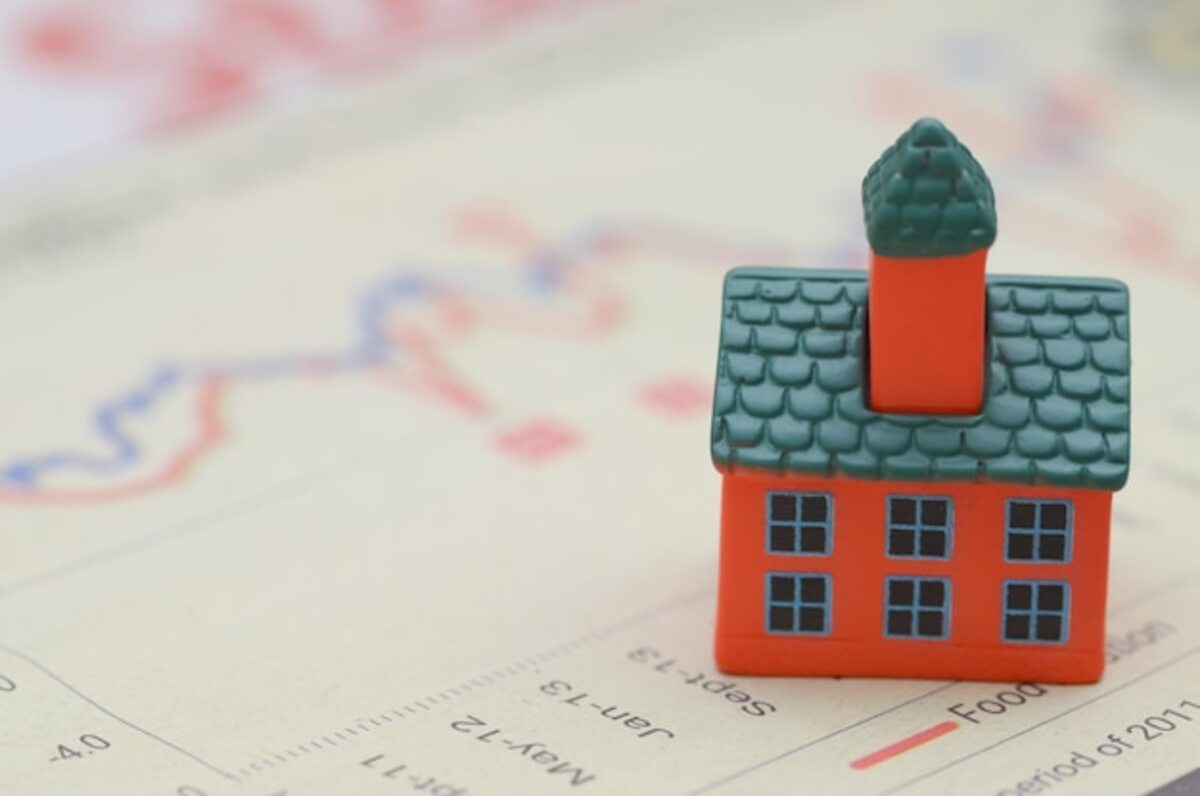
Buying a home is one of the most significant decisions in anyone's life. However, many first-time buyers make mistakes that can derail their process and create unnecessary complications. In this article, we will explore the most common mistakes that can keep you from achieving your dream of owning a home in Costa Rica. With practical information and useful tips, you will be better prepared to make informed decisions and avoid pitfalls on your way to your new home.
Not Defining a Realistic Budget
One of the most common mistakes homebuyers tend to make is not setting a realistic budget. When starting the search for a property, it's easy to get carried away by emotions and aspirations, forgetting to establish clear financial limits. A well-defined budget will not only help you identify the right price range for your capabilities but will also allow you to evaluate other costs associated with the purchase, such as taxes, insurance, and maintenance. Without this financial planning, you could find yourself looking for properties that are beyond your reach or facing economic difficulties in the future.
Additionally, a realistic budget provides a solid foundation for negotiating and making informed decisions during the purchasing process. Without it, you may fall into the trap of committing to excessive monthly payments or acquiring properties that require significant additional investments. It is essential to consider not only the initial sale price but also the long-term costs associated with the property. By establishing a clear budget that aligns with your current and future financial needs, you will not only avoid unpleasant surprises but also enjoy the purchasing process with greater peace of mind and confidence.
Advertisements
Ignore Additional Expenses
One of the most common mistakes when buying a home is ignoring the additional expenses that arise throughout the process. Many buyers focus solely on the price of the property and forget to consider other important costs, such as taxes, closing fees, and attorney fees. These expenses can quickly add up and impact your overall budget, leading to complicated financial situations. Therefore, it is essential to conduct a detailed analysis of all the costs involved before finalizing a deal.
In addition to the initial expenses, there are also recurring costs to consider when owning a home. This includes expenses such as insurance, maintenance, and utilities. Many new homeowners underestimate these costs or do not factor them into their financial planning, which can lead to long-term financial difficulties. To avoid falling into this trap, it is advisable to create a comprehensive budget that includes both immediate expenses and those that will arise after purchasing the property. In this way, you can have a clearer understanding of the financial commitment involved in buying your dream home.
Not Researching the Real Estate Market
One of the most common mistakes among homebuyers is not adequately researching the real estate market before making a purchase. A lack of knowledge about market trends, average prices in the desired area, and the specific characteristics of each neighborhood can lead to hasty decisions and ultimately paying more for a property that may not be the best option. By taking the time to analyze the market, you can identify opportunities that fit your budget and needs, as well as avoid areas with potential future issues.
In addition, when researching the real estate market, it is also essential to consider factors such as the appreciation of the area and the services available nearby. For example, living close to schools, hospitals, or shopping centers can increase the value of your investment over time. Ignoring these aspects can result in an unwise purchase that affects both your quality of life and your long-term wealth. So before you jump into buying, make sure you are well informed about the market conditions and the characteristics of the area where you plan to settle.
Overlooking the Importance of a Good Real Estate Agent
A good real estate advisor is a key player in the home buying process, and underestimating their importance can lead to detrimental decisions. These professionals have a deep understanding of the local market, allowing them to provide valuable information on prices, trends, and neighborhoods. Ignoring their expertise can lead buyers to overlook properties that perfectly meet their needs or, conversely, invest in unsuitable options. Additionally, a competent advisor can help buyers set realistic expectations and guide them through the legal and financial process, avoiding future complications.
The lack of a good advisor can also lead to emotional mistakes during the purchase. Buying a home involves not only numbers and contracts; there is a significant emotional burden involved. An experienced real estate advisor acts as a mediator between the buyer's emotions and the reality of the market, helping to maintain objectivity and avoid impulsive decisions that could lead to later regrets. So, as you embark on the search for your ideal home, make sure to have a professional accompany you every step of the way; this will not only provide you with peace of mind but also increase the chances of making a smart and satisfying investment.
Not Conducting Proper Inspections of the Property
One of the most critical stages in buying a home is the property inspection. Many buyers, either due to lack of knowledge or the desire to save money, skip this essential step. Failing to conduct proper inspections can lead to purchasing a house that has structural issues, pests, or faulty electrical and plumbing systems. These problems may not be evident at first glance, but by ignoring this phase of the process, you could face unexpected expenses that will impact your budget and delay your moving plans.
Additionally, inspections not only reveal the physical condition of the property but also provide an opportunity to negotiate with the seller. If significant flaws are found, you can request repairs before finalizing the deal or adjust the purchase price based on the estimated cost to address those issues. However, if you choose to forgo this crucial evaluation, you could lose not only money but also the chance to be completely satisfied with your new acquisition. Therefore, investing time and resources in a professional inspection is essential to ensure that your dream of owning a home becomes a reality without unpleasant surprises.
Underestimating the Time of the Purchasing Process
One of the most common mistakes that can derail the home buying process is underestimating the time it takes. Many buyers mistakenly believe that acquiring a property is a quick and simple procedure, when in reality it is a process that can take months. From the initial search to the signing of the contract, each stage requires a significant investment of time in research, property visits, negotiations, and legal procedures. Ignoring this reality can lead to unnecessary frustrations and hasty decisions that could compromise the quality of your final choice.
Additionally, time not only refers to the period needed to find the ideal house, but also to the prior financial preparation. Obtaining adequate financing, conducting inspections, and meeting legal requirements can take longer than anticipated. If you do not consider these aspects from the beginning, you may find yourself in urgent situations where you have to make hasty decisions. Properly planning your timelines will allow you to have a more relaxed and controlled approach to your purchase, ensuring that each step is taken with care and attention to the necessary details to achieve your goal: acquiring the perfect home for you and your family.
Being Too Emotional When Choosing a Home
Being too emotional when choosing a home is a common mistake that can cloud buyers' judgment. Buying a house is often loaded with expectations and dreams, which can lead people to lose objectivity. It's natural to feel excited about the idea of having a home of one's own, but getting carried away by these feelings can result in hasty decisions. For example, instantly falling in love with a property without considering key factors such as location, the condition of the property, or the budget can lead to future complications, from maintenance issues to financial difficulties.
To avoid falling into this mistake, it is essential to adopt a balanced approach throughout the buying process. Before visiting properties, set clear criteria based on your needs and financial capabilities. Take the necessary time to research and compare different options; this will help you better visualize what you truly want and need in your new home. Additionally, having the guidance of a real estate professional can be invaluable in keeping you focused on the practical and technical aspects of the process, thus minimizing the risk of making impulsive decisions based solely on momentary emotions.
Not Considering the Strategic Location
Strategic location is one of the most crucial factors to consider when buying a home. Many buyers, especially novices, focus solely on the price or features of the house, without paying enough attention to its location. A good location can influence fundamental aspects such as quality of life, access to essential services like schools and hospitals, as well as proximity to work and public transportation. Ignoring these elements can lead you to make a decision that affects your long-term well-being and satisfaction. Additionally, location also impacts the resale value of the property. Homes situated in areas with promising future development tend to appreciate more over time. On the other hand, purchasing a house in a remote or declining area could result in difficulties selling it later or even significant financial losses. Therefore, conducting a thorough analysis of the environment where you plan to buy is vital to ensure not only immediate comfort but also a good return on investment in the future.
In summary, when considering the purchase of a home, never underestimate the importance of its location. Researching the neighborhood, local real estate market trends, and urban development projections will enable you to make a more informed choice that aligns with your current and future needs.
Dismiss the Need for Pre-approved Financing
One of the most common mistakes homebuyers make is underestimating the importance of obtaining pre-approved financing. Many believe they can find the perfect house and then look for a loan, without considering that the financing process can be long and complicated. Without pre-approval, there is a risk of losing valuable opportunities, as sellers often prefer buyers who show they have secured financing. This not only puts you in a less competitive position, but it can also lead to awkward situations where you discover that your actual budget is lower than expected. Additionally, pre-approved financing provides a clear view of how much you can spend and what the loan conditions are. Without this crucial information, you might be tempted to view properties outside your financial range or, worse, fall in love with a home you cannot afford. A lack of financial preparation can result in frustrations and unnecessary delays in your purchasing process. Therefore, before you start visiting houses, make sure you have all your documents ready and seek prior approval; this will give you confidence and allow you to act quickly when you find the ideal home.
Lack of Vision for the Future in the Purchase
The lack of forward-thinking when purchasing a home is a mistake that many first-time buyers often make. By focusing solely on their current needs, they may overlook important factors that will influence their quality of life and the property's valuation in the long term. For example, considering the size of the family, job prospects, or even the urban development of the area can be crucial to ensure that the investment remains relevant and beneficial over time. Ignoring these aspects can lead not only to personal dissatisfaction but also to an economic loss if one decides to sell later on.
Additionally, it is essential to consider how personal and professional circumstances may change in the coming years. Life is full of unexpected events; a job change, the arrival of new family members, or even the desire to move to another city are common situations that should be taken into account when choosing a home. Thus, spending time researching real estate market trends and projecting future needs will allow buyers to make more informed decisions that align with their desired lifestyle. Ultimately, visualizing the future not only helps to avoid regrets but also maximizes opportunities to fully enjoy the chosen home.
Advertisements
More in Common Mistakes

Buying Process, Common Mistakes
Mistakes That Can Frustrate Your Purchase in La Fortuna
Buying Process, Common Mistakes
Tips to avoid uncertainty in your home purchase.

Buying Process, Common Mistakes
Keys to avoid confusion when buying your new home

Buying Process, Common Mistakes
Keys to making informed decisions when buying your home
Most viewed in Buying Process

Buying Process, Legal Verification
Fundamental Aspects to Ensure Your Real Estate Purchase

Buying Process, Legal Verification
Legal Aspects That Boost Your Confidence When Buying Properties

Buying Process, Advice
Tips for choosing the ideal property without complications
Buying Process, Common Mistakes
Mistakes That Can Frustrate Your Purchase in La Fortuna