
Mistakes when ignoring the importance of prior inspection in your purchase
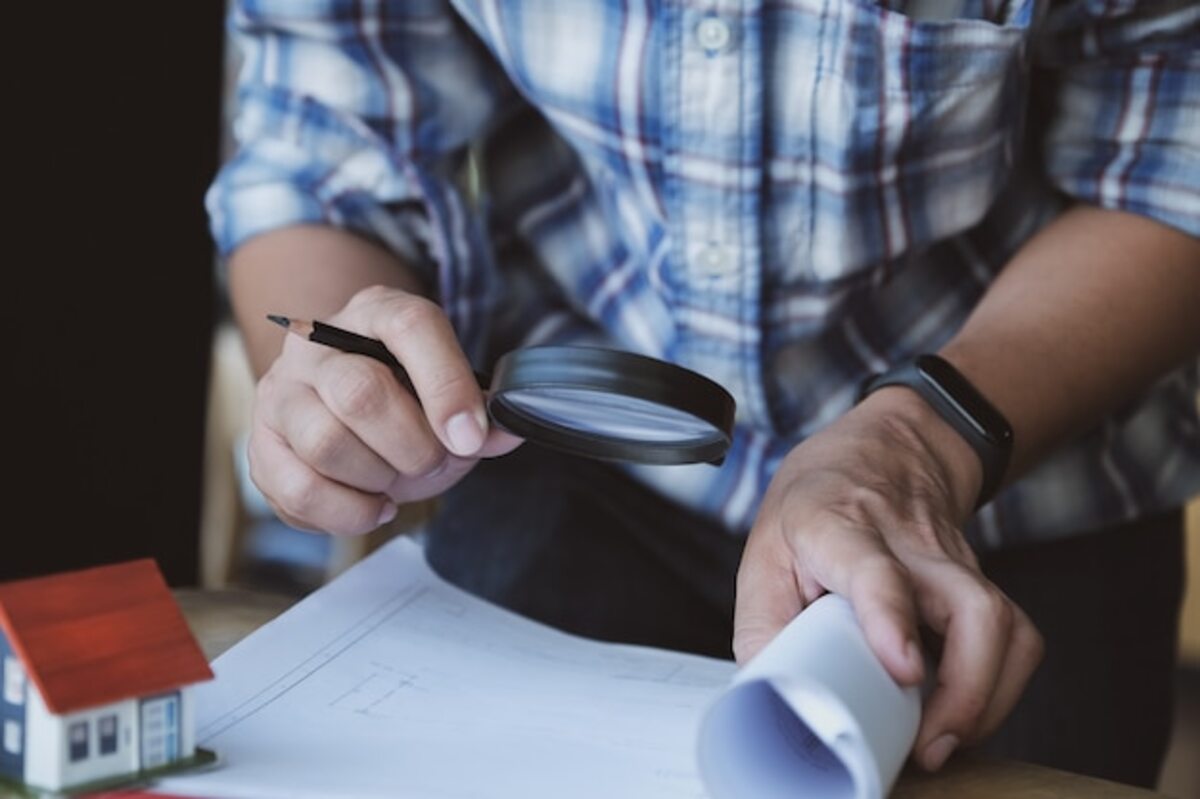
The purchase of a property is one of the most important decisions in the life of any Costa Rican. However, many make the serious mistake of skipping the prior inspection, which can result in unpleasant surprises and unforeseen costs. In this article, we will explore the common mistakes that arise from ignoring this crucial stage of the buying process, providing you with key tips to avoid setbacks and ensure that you make a safe and satisfying investment.
The illusion of low price: what risks are you taking on?
The illusion of a low price can be tempting for many buyers, especially in the competitive real estate market. However, not everything that glitters is gold. By prioritizing initial savings without conducting a proper inspection, you could be taking on significant risks that could translate into much greater expenses in the long run. Hidden issues such as leaks, structural damage, or faulty electrical systems are just a few of the inconveniences that can arise once the property is in your possession. Thus, what seemed like a bargain quickly turns into a financial and emotional burden.
In addition to the economic impact, there is an emotional cost associated with buying a property with undetected issues. Disappointment and frustration can affect not only your personal well-being but also your family and social relationships. Imagine having to deal with constant repairs and stress from unexpected issues when you could have taken preventive measures from the beginning of the buying process. Investing time and resources in a pre-inspection allows for clarity about the true condition of the property and avoids unpleasant surprises that could ruin your experience as a homeowner. Ultimately, opting for a low price without verifying its validity can end up costing you more than you imagine.
Advertisements
Ignoring warning signs: how to identify hidden issues.
Ignoring warning signs during the purchasing process can lead to the acquisition of a property with hidden issues that are not immediately obvious. Small cracks in the walls, damp spots, or a persistent smell may indicate structural problems, leaks, or infestations. By overlooking these details, buyers may find themselves facing costly and complicated repairs once they have closed the purchase. Therefore, it is essential to pay attention to every corner of the property and be alert to any signs that may suggest an underlying problem.
Identifying these problems will require a proactive approach and, in many cases, the assistance of a professional home inspector. A qualified inspector will be able to uncover hidden defects such as outdated electrical systems, deteriorated plumbing, or termite damage that the untrained eye might not notice. Furthermore, having a detailed report on the condition of the property will allow the buyer to make informed decisions and even negotiate improvements or repairs before closing. Ignoring these signs could turn into a financial nightmare; therefore, conducting a thorough inspection is essential to ensure that your investment is truly safe and satisfactory.
Long-term costs: the financial impact of not inspecting.
One of the most significant mistakes when omitting a pre-purchase inspection in buying a property is the long-term financial impact it can have. Many buyers are tempted to save money by not hiring a professional inspector, but they often end up facing structural, plumbing, or electrical issues that can cost thousands of colones in repairs. These unexpected expenses not only affect the immediate budget but can also compromise the future financial stability of the homeowner. A simple water leak or a faulty electrical system can trigger a series of additional costs that could have been avoided with a proper inspection.
Additionally, the consequences of not conducting an inspection can extend beyond immediate repairs. For example, if serious problems are discovered after the purchase, the owner may be forced to spend money on major renovations or even face depreciation of their investment's value. This not only involves direct costs, but also the emotional stress and time lost associated with resolving these issues. Thus, what initially seemed like savings by avoiding the inspection transforms into a significant and lasting financial burden that can affect both the present and the buyer's financial future.
The importance of time: how much can you lose by rushing?
Haste can be a silent enemy in the property buying process. When buyers rush to close a deal, they often overlook the importance of a thorough inspection. This not only means missing the opportunity to identify hidden problems that could arise later, but also spending large sums of money on unexpected repairs. By hurrying, there is a risk of turning an apparently attractive investment into a financial burden that could have been avoided with more careful and complete analysis. Moreover, the time saved by skipping the inspection can result in much greater losses in the long run. Structural issues or failures in critical systems like electricity or plumbing may not be obvious at first glance, but early detection is crucial to ensure the safety and functionality of the home. Taking the time for a pre-inspection not only protects your investment but also gives you peace of mind knowing that you have made informed decisions. Ultimately, taking the necessary time for this stage can mean the difference between making a great acquisition or facing future complications that could have been avoided with a more meticulous approach.
Real testimonies: unfortunate experiences from skipping the inspection.
The omission of a prior inspection can lead to truly discouraging situations. For example, Ana and Luis bought their first home with great enthusiasm, only to discover weeks later that the electrical system was outdated and posed a significant risk. Without a professional evaluation, they not only faced unexpected costs to upgrade it but also had to deal with the uncertainty of whether other aspects of the property were in similar condition. These types of experiences are more common than one might think and highlight the importance of conducting a thorough inspection before closing any deal.
Another illustrative case is that of Carlos, who purchased an apartment in a popular area without conducting any inspection. Shortly after, he began to notice leaks in the walls and structural issues that were not evident at first glance. The lack of an inspection cost him thousands in repairs and generated considerable stress in his daily life. These testimonies reflect how ignoring the inspection can transform what should be an exciting moment into one filled with frustrations and financial complications. It is essential to remember that investing time and resources in a proper evaluation can prevent many future problems and ensure a satisfactory purchase.
Choosing the right inspector: how to select a reliable professional.
Choosing the right inspector is a crucial step in the property buying process. A good inspector should not only have the necessary credentials, such as licenses and certifications, but also specific experience in the type of property you are considering. Research their background and seek references from previous clients. A recommendation from someone you trust can be invaluable, as it will give you a better idea of the inspector's work quality and attention to detail. Remember that this person will help you uncover hidden issues that could cost you a lot of money later on.
It is also important to establish good communication with the inspector from the beginning. Make sure they are willing to answer all your questions and explain the findings clearly and understandably. A reliable professional will not only conduct the inspection but will also take the time to inform you about possible repairs or necessary improvements, as well as give you advice on how to maintain the property in good condition over time. By selecting a committed and accessible inspector, you ensure that you receive not only a detailed report but also valuable guidance for your future investment.
Complete vs. partial inspections: what you should consider.
Complete and partial inspections are two approaches that buyers can consider before acquiring a property, and each has its own advantages and disadvantages. A complete inspection covers all aspects of the home, from the structure to the electrical system and plumbing, providing a detailed overview of the property's overall condition. This type of inspection is ideal for those who want to have a deep understanding of any potential issues, allowing them to make informed decisions about their investment. On the other hand, a partial inspection may seem more appealing due to its reduced cost and speed; however, it can leave buyers vulnerable to unpleasant surprises in the future if critical areas are overlooked. When choosing between a complete or partial inspection, it is essential to consider your budget and specific needs as a buyer. While a complete inspection may require a higher initial investment, it could save you money in the long run by identifying issues that could become major expenses if not addressed in time. Additionally, having a thorough report gives you more negotiating power with the seller. Conversely, if you opt for a partial inspection, ensure that it covers the areas that concern you the most or are related to your priorities as a homeowner. Ultimately, the choice between these types of inspections should be based on a careful analysis of the risks involved and the value you place on peace of mind when making your purchase.
The law and your rights as a buyer: what you need to know.
The purchase of a property not only involves a significant financial commitment but also entails rights and responsibilities for both the buyer and the seller. In Costa Rica, the Consumer Protection Law establishes a series of rights that protect buyers in real estate transactions. It is essential that, as a potential owner, you know your rights regarding complete information about the property, as well as your right to conduct a thorough inspection before finalizing any purchase. Ignoring these legal aspects can lead you to unfavorable and complicated situations in the future. Furthermore, by understanding your rights as a buyer, you can make more informed and secure decisions. For example, if structural or maintenance issues are identified during the pre-inspection, you have the right to demand repairs from the seller or even reconsider your offer. The law also protects you against abusive clauses that could limit your options in the event of discovering hidden defects after closing the sale. Knowing these regulations empowers you to negotiate better and avoid unpleasant surprises after acquiring the property.
Tips for negotiating after the inspection: leverage the findings.
Negotiating after the inspection is a crucial step that can make a difference in the success of your purchase. Once you have received the inspection report, it is essential to carefully review the findings and determine which issues are the most relevant and need attention. Use this information as a powerful tool in your negotiations. For example, if structural problems or significant damages are identified, you can request the seller to make the repairs before closing or negotiate a reduction in the sale price to offset future costs you may face.
It is also important to maintain open and professional communication with the seller during this process. Present the findings clearly and objectively, using the inspection report to support your requests. This not only shows that you are well-informed but also helps build trust between both parties. Remember that negotiation does not have to be a confrontation; it can be an opportunity to reach a mutually beneficial agreement, thus ensuring that your investment is solid and free from unpleasant surprises in the future.
The future of the real estate market in Costa Rica: trends to follow.
The real estate market in Costa Rica is in constant evolution, influenced by economic and social factors that shape purchasing decisions. As more people seek to settle in this beautiful country, the demand for properties has increased, which in turn generates a growing interest in pre-inspections. This trend reveals that buyers are increasingly aware of the importance of verifying the actual condition of a property before making an investment. Ignoring this stage can lead to not only unpleasant surprises but also a decrease in the long-term value of the acquired property.
Moreover, the future of the Costa Rican real estate market suggests a more sustainable and responsible approach to purchases. Buyers are starting to value not only location and price but also the quality of construction and regulatory compliance of the properties. In this context, conducting a pre-inspection becomes an essential tool to ensure that the investment is solid and secure. By adopting best practices from the beginning of the process, future owners not only avoid common mistakes but also contribute to the development of a more transparent and reliable real estate market in Costa Rica.
Advertisements
More in Common Mistakes

Buying Process, Common Mistakes
Mistakes That Can Frustrate Your Purchase in La Fortuna
Buying Process, Common Mistakes
Tips to avoid uncertainty in your home purchase.

Buying Process, Common Mistakes
Keys to avoid confusion when buying your new home

Buying Process, Common Mistakes
Keys to making informed decisions when buying your home
Most viewed in Buying Process
Buying Process, Legal Verification
Fundamental Aspects to Ensure Your Real Estate Purchase
Buying Process, Legal Verification
Legal Aspects That Boost Your Confidence When Buying Properties
Buying Process, Advice
Tips for choosing the ideal property without complications
Buying Process, Common Mistakes
Mistakes That Can Frustrate Your Purchase in La Fortuna