
Fundamental Aspects to Ensure Your Real Estate Purchase

Securing your real estate purchase is essential to avoid unpleasant surprises in the future. In the Costa Rican context, legal verification plays a crucial role in protecting your investment. In this article, I will guide you through the fundamental aspects you need to consider when acquiring a property, ensuring that each step is clear and safe. Proper preparation will not only give you peace of mind but also maximize the value of your purchase.
Importance of Legal Verification in Real Estate Purchase
Legal verification in real estate purchase is a fundamental step that should not be overlooked. This process involves reviewing the legal status of the property, ensuring that it is free of liens, mortgages, or legal disputes that may affect your future investment. In Costa Rica, where the real estate market may present specific peculiarities and risks, knowing the legal history of the property allows you to make informed decisions and avoid subsequent legal problems that could be costly and complicated to resolve. A thorough analysis of the legal documents associated with the property is vital to ensure that you are acquiring an asset without unpleasant surprises.
Additionally, having the support of professionals such as real estate attorneys can make a significant difference during this process. They can help you interpret the deeds, verify that the seller has full rights to the property, and advise you on any relevant regulatory aspects in the area where the property is located. By conducting this due diligence, you not only protect your investment but also ensure that you are complying with all local and national regulations. The peace of mind that comes from knowing everything is in order is invaluable when taking this important step towards acquiring your new home or commercial property.
Advertisements
Necessary Documentation to Validate Properties
To validate a property, it is essential to have the proper documentation that supports its legality and conditions. In Costa Rica, the first essential document is the property deed, which must be registered in the National Registry. This deed not only identifies the current owner but also allows for tracking any encumbrance or lien that may affect the property. Verifying that this information is up-to-date and accurate is crucial to avoid future legal complications that could jeopardize your investment.
In addition to the writing, it is important to request a certificate of encumbrances. This document will provide you with information about any outstanding debts, liens, or mortgages on the property. It is also recommended to obtain a cadastral plan that shows the exact dimensions of the land and its location in relation to other surrounding properties. Along with these documents, a review of the property's construction status can reveal hidden aspects that may impact its value and habitability, thus ensuring an informed and secure purchase.
How to Identify Liens or Encumbrances on the Property
To identify burdens or encumbrances on a property, it is essential to conduct a thorough investigation in the National Registry of Costa Rica. This registry provides key information about any burden that may affect the property, such as mortgages, liens, or easements. It is advisable to request a burden certificate that details the current legal situation of the property. Additionally, it is prudent to review the history of the owner and any documents related to previous transactions that may indicate unresolved legal issues.
In addition to checking the National Registry, it is also helpful to speak with neighbors and other property owners in the area to gather additional information about potential disputes or known issues related to the property. Hidden burdens can arise from informal agreements between parties or from situations that are not clearly reflected in official documents. Therefore, having the advice of a real estate attorney can be invaluable in navigating these legal aspects and ensuring that your purchase is free from unpleasant surprises.
Registration Process in the National Registry
The registration process in the National Registry is a fundamental step to ensure the legal security of your real estate purchase. Once you have completed the transaction and received all the pertinent documents, you must proceed to register the property in your name in this official registry. This procedure not only formalizes your possession of the property but also provides publicity and legal protection against third parties, ensuring that no one else can claim rights over the acquired property. Therefore, it is vital to have all the necessary documentation, such as the sales contract and any other relevant documents that demonstrate your acquisition.
It is advisable to carry out this procedure as soon as possible after the purchase to avoid future inconveniences. The registration must be conducted before a public notary or through a lawyer specialized in real estate law, who will guide you through each stage of the process. Furthermore, once the property is registered, you will be able to access a series of benefits, such as facilitating procedures related to mortgages or the future sale of the property. Do not underestimate this stage; ensuring proper registration is key to fully enjoying your new property without legal concerns that may arise later.
Contracts: Keys to Avoid Legal Issues
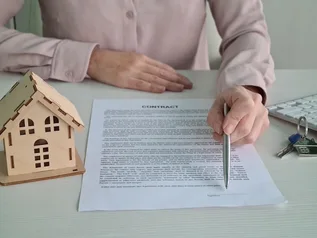
Contracts are one of the most powerful tools to protect your interests in a real estate purchase. When approaching the acquisition of a property, it is essential to have a well-structured contract that includes all relevant details, such as the price, payment terms, deadlines, and any other specific aspects agreed upon by the parties. This document not only formalizes the agreement but also serves as a legal backup in case of disputes. Ensure that all clauses are clear and understandable, avoiding ambiguities that could lead to misunderstandings in the future.
It is also advisable to seek the advice of a lawyer specialized in real estate when drafting or reviewing the contract. A professional in the field can identify potential legal risks and suggest necessary modifications to cover any eventuality. It is also important to include clauses that stipulate what will happen in the event of a breach by either party involved. This way, you will be prepared to face unexpected situations without jeopardizing your investment or peace of mind. Proper contract management is key to ensuring a successful real estate purchase and avoiding long-term legal issues.
The Relevance of Title Study
The title study is an essential step in the real estate purchasing process, as it ensures the legality and security of the property you are acquiring. A clear title not only guarantees that the seller has the right to sell the property, but it also protects you against potential claims or hidden liens on it. In Costa Rica, where regulations can be complex and vary by region, conducting a thorough title study can prevent future legal conflicts that could be costly and complicated. Furthermore, the title analysis allows for the verification of crucial information such as property boundaries, existing encumbrances, and usage rights. This detailed procedure is generally carried out by a real estate attorney, who will review relevant documents and make inquiries at the National Registry. Investing time and resources in this stage not only provides peace of mind to the buyer but also contributes to a smoother and safer transaction, ensuring that your investment is fully protected from the outset.
Legal Advice: Why is it Indispensable?
Legal advice is an essential component in the real estate purchase process, as it allows you to navigate the complexities of the Costa Rican legal system. When acquiring a property, it is crucial to have a specialized lawyer who can review the pertinent documents and ensure that the transaction is carried out within the regulatory framework. This includes verifying property titles, identifying possible liens or legal encumbrances on the property, and validating necessary permits and licenses. Without this professional assistance, you could face significant legal problems that could jeopardize your investment and peace of mind.
Additionally, an expert lawyer will not only protect you against hidden risks but can also advise you on the tax implications associated with purchasing real estate in Costa Rica. Understanding tax obligations and available benefits is essential to maximizing the value of your acquisition. Proper legal advice not only provides an additional layer of security but also offers clarity at every stage of the process, helping you make informed and strategic decisions. In summary, investing in legal advice is an indispensable preventive measure to ensure that your real estate purchase is a resounding success.
Identity Verification and Powers of Attorney
Identity verification and notarial powers are a fundamental step in the real estate purchase process, as they ensure that the parties involved in the transaction are who they claim to be. In Costa Rica, it is essential to confirm the identity of the seller and verify that they have the legal capacity to sell the property. This involves reviewing official documents such as identity cards and other relevant records. An accredited public notary can facilitate this verification, providing greater security to the buyer regarding the legitimacy of the seller and avoiding potential fraud.
In addition to verifying identity, it is crucial to ensure that the seller has the appropriate powers of attorney if they are not acting personally in the transaction. This is especially relevant in cases involving legal representatives or agents. Reviewing these documents guarantees that such individuals have explicit authorization to carry out the sale, thus protecting your interests as a buyer. Not omitting this critical step not only provides you with confidence in your investment but also contributes to a more transparent and smooth purchasing process.
Tax Implications in Real Estate Purchase
The tax implications in real estate purchases are a fundamental aspect that should not be overlooked. In Costa Rica, acquiring a property involves various tax obligations, such as the payment of the property transfer tax and the property tax. It is essential to understand how these taxes can affect your investment in the short and long term. Additionally, it is advisable to consider the potential tax deductions you could take advantage of when acquiring a property, as well as the tax benefits associated with mortgage financing. Knowing these implications will allow you to better plan your budget and avoid unexpected surprises in the future.
It is also important to be clear about the impact that tax reforms could have on the real estate sector. Laws and regulations can change, affecting both acquisition costs and the future profitability of your investment. Therefore, it is advisable to stay informed about any legislative or tax changes that may influence your purchase. Consulting with a lawyer or a tax advisor can be a valuable investment to ensure you comply with all your legal obligations and make the most of the available benefits. Proper tax planning will not only protect your real estate investment but also contribute to its long-term growth.
Additional Resources for a Safe Purchase
To ensure a secure real estate purchase, it is essential to have additional resources that complement legal verification and provide you with greater confidence in your decision. In Costa Rica, there are various digital platforms and consulting services that can offer you valuable information about property history, previous owners, and any legal encumbrances they may have. Using tools such as online public records or specialized applications can facilitate the obtaining of relevant data that ensures the transparency of your future investment. Additionally, do not underestimate the power of social media; local groups and forums can provide you with recommendations about reliable real estate agents or warnings about potential scams.
Another important resource is the professional associations in the real estate sector, where you can find experts willing to guide you throughout the buying process. These organizations often offer seminars, workshops, and educational materials that cover everything from market evaluation to specific legal aspects of the country. Participating in these activities not only expands your knowledge but also connects you with other buyers and investors who can share their experiences and helpful advice. At the end of the day, equipping yourself with the right resources is key to making informed decisions and achieving a safe and satisfying real estate purchase.
Advertisements
More in Legal Verification

Buying Process, Legal Verification
Legal Aspects That Boost Your Confidence When Buying Properties
Buying Process, Legal Verification
Fundamentals to Validate the Legality of Your Home Purchase

Buying Process, Legal Verification
Secure Your Purchase with a Thorough and Reliable Legal Analysis

Buying Process, Legal Verification
Legal Security for Investing in La Fortuna and Its Nature
Most viewed in Buying Process
Buying Process, Legal Verification
Legal Aspects That Boost Your Confidence When Buying Properties

Buying Process, Advice
Tips for choosing the ideal property without complications

Buying Process, Common Mistakes
Mistakes That Can Frustrate Your Purchase in La Fortuna

Buying Process, Documentation
Key documentation to ensure a hassle-free purchase