
Fundamentals to Validate the Legality of Your Home Purchase
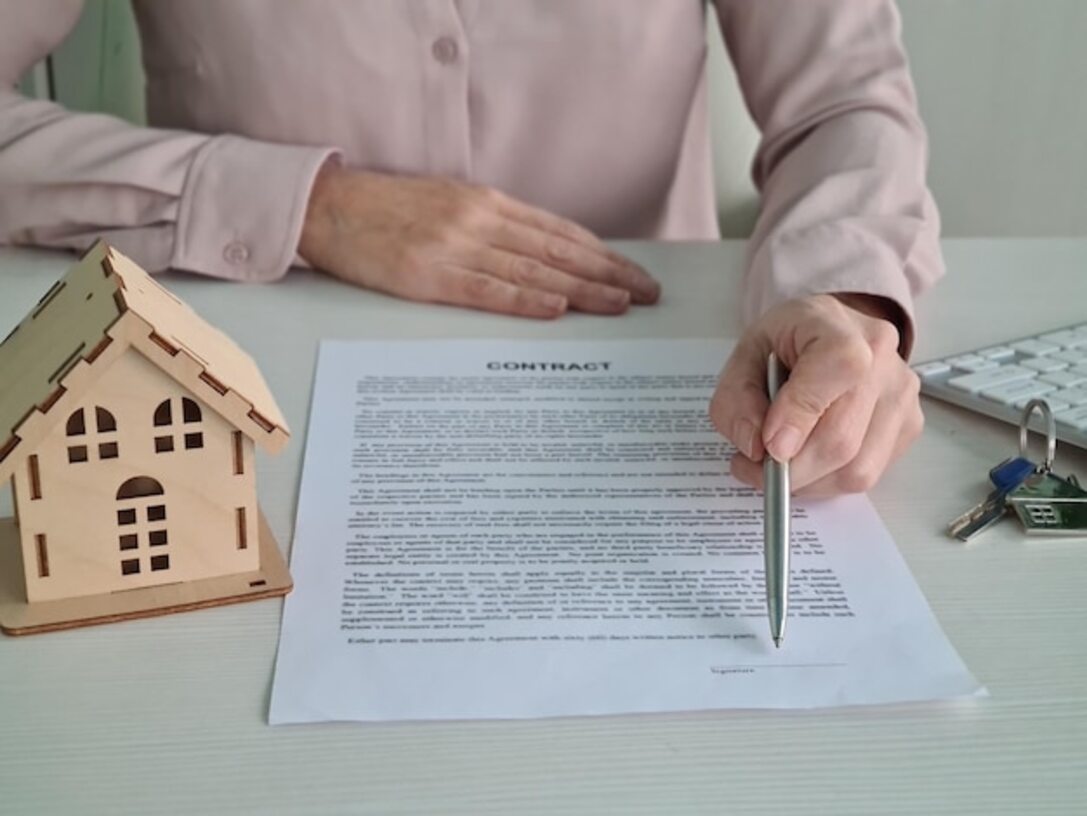
The purchase of a home is one of the most important decisions in life, and validating its legality is crucial to avoid unpleasant surprises. In this article, we will explore the essential fundamentals that will help you ensure that your real estate transaction is safe and smooth. Knowing your rights and the legal steps to follow will not only protect your investment but also provide you with peace of mind as you become a homeowner. Get ready to dive into the legal verification process with confidence!
The Importance of Legal Verification in the Purchasing Process
Legal verification in the home buying process is a fundamental step that should not be overlooked. Ensuring that the property has all the documentation in order, including titles of ownership, building permits, and proof of tax payments, is vital to avoid future legal problems. A common mistake among buyers is relying solely on the seller's word or verbal promises. Conducting thorough research will allow you to detect possible irregularities that could jeopardize your investment or even lead to the loss of the property.
Additionally, having the advice of a real estate attorney can be a great advantage. This professional will not only help you interpret complex documents but will also be able to identify hidden risks that you might overlook. For example, checking for liens or encumbrances on the property can save you from greater complications in the future. In summary, taking the time for legal verification not only protects you as a buyer but also ensures a more transparent and fair transaction for both parties involved.
Advertisements
Key Documents to Validate Ownership
To validate the ownership of a property, it is essential to have certain key documents that will help you confirm the legality of the transaction. One of the most important is the title of ownership, which must be duly registered in the corresponding public registry. This document not only certifies who the legitimate owner of the property is but also reveals if there are any liens or mortgages on the property. Make sure to request an updated copy to verify that there are no legal issues associated with it and that the seller has the full right to sell you the property.
Another crucial document is the certificate of freedom from encumbrances, which provides information about whether there are any burdens or legal limitations on the property. This certificate guarantees that there will be no surprises in the future related to debts incurred by the previous owner or pending liens. Additionally, do not forget to review the previous deeds and any contracts related to the purchase-sale to ensure that everything is in order. The collection and validation of these documents are essential steps to secure your investment and avoid legal conflicts after acquiring your new home.
How to Research Property History and Liens
Investigating the history and encumbrances of a property is a crucial step in the buying process, as it allows you to understand its legal status and avoid future issues. To start, it is advisable to request a copy of the current property deed and review the corresponding public registry. This registry will not only provide you with information about who the legitimate owner is but also about any liens, mortgages, or encumbrances affecting the property. Knowing these details will enable you to assess whether the property is free from legal problems that could impact your investment.
In addition to reviewing the documents in the public record, you can conduct an online search or visit municipal archives to obtain additional information about the property's history. Ask if there have been previous litigations related to the property or if it has changed owners frequently, which could be an indication of hidden problems. It is also helpful to talk to neighbors or community members to get their perspectives on the area and any known issues that may impact your decision. By conducting this thorough research, you will be better prepared to make informed decisions and ensure that your future home is a safe and legally sound place.
The Role of the Notary Public in Home Purchase
The role of the notary public in the purchase of a home is fundamental, as it acts as a guarantor of legality and transparency in the buying and selling process. This professional not only certifies legal acts but also advises the parties involved on their rights and obligations. When formalizing the purchase deed, the notary reviews that all documents are in order and that there are no liens or legal issues associated with the property. Thanks to their intervention, risks are minimized and it is ensured that the real estate transaction is carried out in accordance with the law.
Additionally, the notary public has the responsibility of ensuring that the funds are handled properly during the closing of the sale. This includes verifying that the payment is made according to the agreement established between the buyer and the seller, thereby ensuring that both parties comply with what has been agreed upon. The role of the notary provides an additional level of trust and security to the process; their presence can be crucial in resolving any disputes that may arise post-transaction. Therefore, having a competent notary is essential for achieving a successful and hassle-free purchase of your new home.
Legal Aspects to Consider Before Signing a Contract
Before signing a contract for the purchase of a property, it is essential to take into account certain legal aspects that may influence the validity and security of the transaction. One of the first points to consider is verifying the identity and legal capacity of the seller. Ensure that the owner has the legal right to sell the property and that there are no liens or encumbrances that could affect your acquisition. This involves reviewing documents such as the title deed, as well as ensuring that there are no pending litigations or liens on the property.
Another crucial aspect is understanding the clauses of the contract itself. It is advisable to read each section of the document carefully before signing it, paying special attention to conditions related to payments, deadlines, and possible penalties for breach. It is also advisable to include clauses that protect your rights as a buyer, such as warranties on the physical condition of the property or return policies. Considering legal advice can be a valuable investment to avoid future problems and ensure that all provisions are fair and transparent.
What to Do if You Find Irregularities?
When purchasing a property, it is essential to be prepared to face any irregularities that may arise during the process. If you find inconsistencies in the documents, such as discrepancies in the owner's information, issues with mortgages, or any red flags related to the property, the first thing you should do is stop and carefully assess the situation. Gather all relevant information and documentation, as this will provide you with a clear overview of the problems to resolve. Do not hesitate to consult a lawyer specialized in real estate law who can guide you on the steps to take and your rights as a buyer.
In addition to seeking legal advice, it is advisable to communicate with the seller to discuss the irregularities found. Sometimes, these issues may result from easily correctable administrative errors. However, if the seller is evasive or does not offer satisfactory solutions, it could be a warning sign of potential future complications. If the irregularities are serious and affect the viability of your purchase, you might consider withdrawing from the contract and initiating legal processes to recover your initial investment. Maintaining a proactive approach and being well-informed will help you make sound decisions at this crucial moment in the real estate process.
Tips for Working with Reliable Real Estate Agents
When embarking on the search for your ideal home, having a reliable real estate agent is essential to ensure that the process goes smoothly. To work with a professional in the field who provides the peace of mind you need, start by researching their reputation. Look for recommendations from friends or family, as well as online reviews. A good agent should have experience and solid knowledge of the local market and be willing to answer all your questions. Don't hesitate to ask for references and check their transaction history to ensure you are working with someone who prioritizes their clients' interests.
Once you have selected your agent, establish clear communication from the beginning. It is important to discuss your expectations, needs, and budget to ensure that both of you are aligned on the same objective. Additionally, stay informed about local laws and regulations related to real estate purchases; this will not only help you ask more informed questions but also allow the agent to better understand your concerns. Finally, do not underestimate the importance of trusting your instincts: if you have doubts about the information provided or the agent's commitment, it is valid to explore other options until you find someone you feel completely comfortable with.
The Relevance of the National Registry in Legal Security
The relevance of the National Registry in the legal security of your home purchase lies in its primary function as a guarantor of property and the rights associated with it. This registry acts as an official database that documents the ownership of real estate, mortgages, and any encumbrances or liens that may affect the property. By verifying that the property you wish to acquire is properly registered, you can ensure that there are no legal disputes regarding its ownership and avoid future surprises, such as foreclosures or claims from third parties. In this sense, the National Registry becomes a fundamental ally in protecting your investment.
Additionally, access to this information allows buyers to conduct thorough due diligence before closing any transaction. Knowing the property's history—including changes of ownership and potential litigation—provides you with a clear insight into the risks associated with the purchase. Likewise, being aware of the legal status of the asset will enable you to negotiate with greater confidence and make informed decisions. In conclusion, the National Registry not only reinforces legal security in real estate transactions but also helps to foster a more transparent and trustworthy environment for all parties involved in the buying-selling process.
Advertisements
More in Legal Verification

Buying Process, Legal Verification
Fundamental Aspects to Ensure Your Real Estate Purchase

Buying Process, Legal Verification
Legal Aspects That Boost Your Confidence When Buying Properties

Buying Process, Legal Verification
Secure Your Purchase with a Thorough and Reliable Legal Analysis

Buying Process, Legal Verification
Legal Security for Investing in La Fortuna and Its Nature
Most viewed in Buying Process
Buying Process, Legal Verification
Fundamental Aspects to Ensure Your Real Estate Purchase
Buying Process, Legal Verification
Legal Aspects That Boost Your Confidence When Buying Properties

Buying Process, Advice
Tips for choosing the ideal property without complications

Buying Process, Common Mistakes
Mistakes That Can Frustrate Your Purchase in La Fortuna