
Keys to Verify the Authenticity of Real Estate Documents
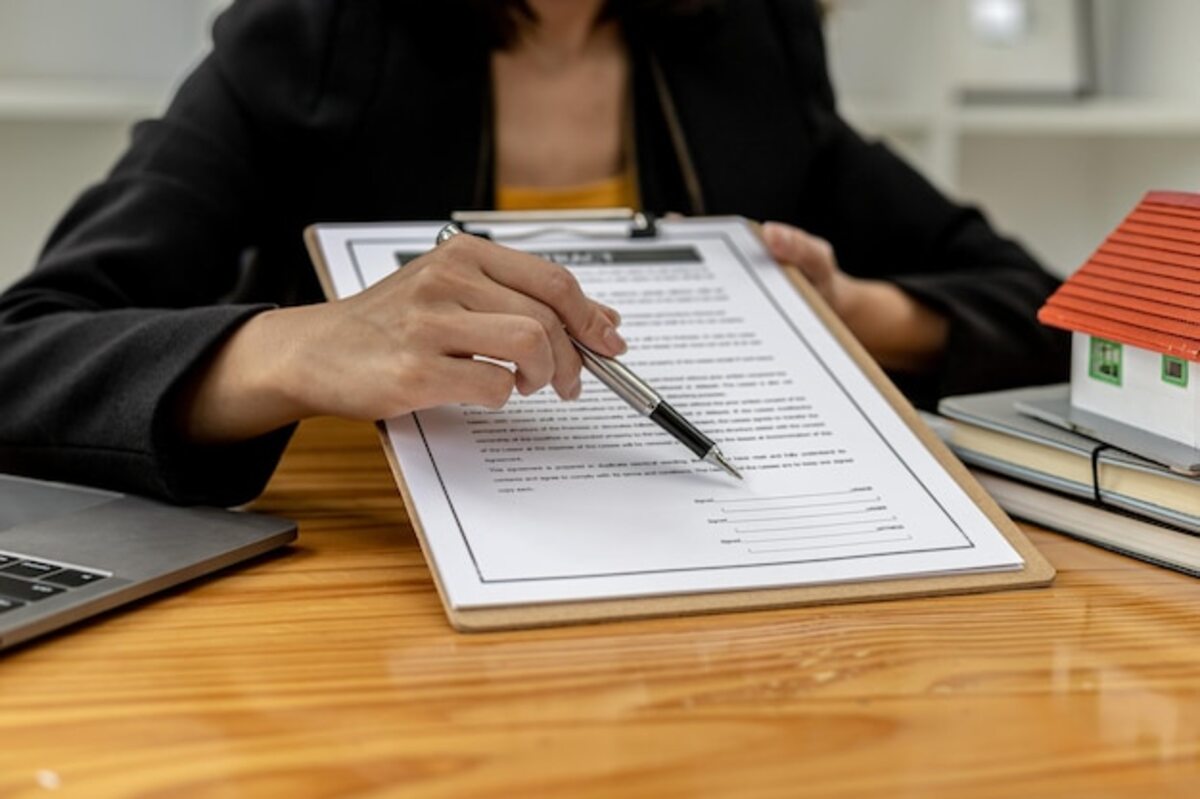
Verifying the authenticity of real estate documents is a crucial step in the property buying process in Costa Rica. Security and peace of mind when acquiring a property can only be achieved through proper validation of the documentation. In this article, we present the essential keys to ensure that your investments are safe and legitimate. Knowing these aspects will not only protect your assets but also allow you to navigate the real estate market with confidence.
Importance of Legal Verification in the Real Estate Process
Legal verification in the real estate process is essential to ensure that the transaction is conducted transparently and securely. When acquiring a property, it is crucial to ensure that all documents are in order and that there are no liens or encumbrances that could compromise the investment. A legitimate title must be backed by a clear history, demonstrating that the seller indeed has the right to sell the property. This due diligence not only protects the buyer but also prevents future legal conflicts that may arise due to irregularities in the documentation.
Additionally, having legal advice during this process can be a differentiating factor in the purchase of a property. Industry professionals know the local laws and regulations, which allows them to identify potential risks associated with the property. Verifying documents such as cadastral plans, building permits, and records with government entities is crucial to ensure the authenticity of the property and its compliance with current regulations. By investing time and resources in this aspect of the real estate process, buyers can have the peace of mind of knowing that they are making a safe and legally protected acquisition.
Advertisements
Key Documents: What Should You Review?
When it comes to purchasing properties, there are key documents you must review to ensure that the transaction is safe and legitimate. The first essential document is the property title, which must be properly registered in the National Registry. This document certifies who the legal owner of the property is and guarantees that there are no liens or encumbrances on it. It is also important to request a certification of freedom from encumbrances, which will allow you to know if there are existing mortgages or liens that could affect your future acquisition. Reviewing these aspects will give you a better perspective on the legal situation of the property.
Another crucial document to consider is the cadastral plan that shows the dimensions and boundaries of the land. This plan must correspond to what is recorded in the title deed; any discrepancies can lead to future conflicts. Additionally, check the building permits and necessary licenses if you plan to make renovations or changes to the property. Ensuring that everything is in order will not only protect your investment but also guarantee that you can fully enjoy your new home without unpleasant surprises in the long term.
How to Identify Counterfeit Documents
To identify forged documents, it is essential to pay attention to certain details that may reveal their authenticity. First, examine the type of paper used and the quality of the print. Official documents are usually printed on special paper with specific characteristics, such as watermarks or unique textures. If the document appears to have been printed on a regular printer or if there are inconsistencies in the format, this could be an indication that it is not original. Additionally, check the seals and signatures; any anomaly in the signature or a blurry seal may be cause for suspicion.
Another key aspect to consider is the comparison with legitimate documents. Familiarize yourself with the format and typical elements of authentic real estate documents in Costa Rica, such as deeds and purchase agreements. Conducting a cross-check with valid examples can help you detect obvious irregularities. Likewise, do not hesitate to consult public records or relevant institutions to verify specific data related to the property, such as the name of the current owner and any liens associated with the property. Meticulous research is your best ally to avoid falling into real estate fraud.
Legal Resources to Validate Properties
To validate the authenticity of a property in Costa Rica, it is essential to have legal resources that support the verification process. One of the main instruments is the consultation of the Registro Nacional, where information about the ownership of the property, encumbrances, and liens that may affect its value can be accessed. This registry provides a clear picture of who the true owner is and if there are any pending litigations or liens, which is crucial to avoid unpleasant surprises after the purchase. Additionally, by reviewing the tax statements, it can be confirmed whether the property is up to date with its tax obligations, reflecting its legal status.
Another key resource is the services of lawyers specialized in real estate law. These professionals not only help interpret complex documents but can also conduct additional searches in public records and provide advice on specific legal aspects related to the property in question. Having a lawyer ensures that all contracts are properly drafted and that the procedures follow current regulations. Investing in these services can be crucial to ensuring a secure transaction, thus avoiding future legal conflicts that could jeopardize your real estate investment.
The Role of the Notary Public in Authenticity
The notary public plays a fundamental role in the authenticity of real estate documents, acting as a guarantor of their legality and truthfulness. Their function is to verify that all parties involved in a real estate transaction have the legal capacity to carry out the act, as well as to ensure that the documents presented meet all established legal requirements. This includes not only the review of property titles but also the validation of signatures and the confirmation that there are no liens or encumbrances on the property. The involvement of a notary adds an additional level of trust and security to the process.
Additionally, the notary public has the responsibility of properly registering the contract in the National Registry, which is essential for any property transfer to be officially recognized. This step is crucial, as it ensures that the new owner has clear rights over the property and protects their investment against potential future claims. In summary, having a competent notary public not only facilitates a smoother transaction but also provides peace of mind to buyers knowing that they are acquiring real estate with all the necessary legal guarantees.
National Registry: Your Ally in Verification
The National Registry is a fundamental tool in the process of verifying the authenticity of real estate documents. This government entity is responsible for the registration and custody of rights over properties, allowing buyers to access key information about the legal status of a property. By consulting the National Registry, you can check if the property has encumbrances, mortgages, or any other type of burden that could affect your investment. This not only provides you with security but also prevents future legal conflicts related to the property.
Additionally, the National Registry offers an accessible and transparent service for anyone interested in carrying out real estate transactions. The consultation can be done through its online platform or directly at its offices, thus facilitating access to vital information regardless of where you are. By having this tool as an ally, you can be assured that every document presented by the seller has been validated and is properly registered. Ultimately, using the National Registry not only strengthens your purchasing process but also empowers you as an informed consumer in a market as complex as real estate.
Consequences of Not Verifying Real Estate Documents
The consequences of not verifying real estate documents can be devastating for any buyer. Firstly, the lack of validation can lead to the acquisition of properties with hidden legal burdens, such as unpaid mortgages or pending litigation. These issues can not only result in unexpected expenses but could also jeopardize the property itself, leaving the buyer in a complicated and costly legal situation. Furthermore, one may face the total loss of the property if it is proven that the seller did not have the right to sell it, which could mean a long and painful road to recovering their investment.
Another critical aspect is the emotional and psychological impact of acquiring a property without proper verification. Buying a home is one of the most significant moments in anyone's life, and becoming entangled in legal or financial issues can cause considerable stress. This uncertainty can affect not only personal finances but also the buyer's family and social relationships. Therefore, taking the time to properly verify all real estate documents before completing a purchase is vital to avoid unpleasant surprises and ensure that your experience is positive and satisfactory.
Common Mistakes When Buying Properties Without Verification
When buying properties, one of the most common mistakes is not conducting a thorough verification of the involved documentation. Many buyers get carried away by the excitement of the process and accept documents without questioning their validity. This can result in acquiring real estate with legal issues, such as liens or property disputes that could have been avoided with a simple review. Ignoring this critical stage can lead to future complications that will not only affect your investment but also your peace of mind and personal security.
Another common mistake is to blindly trust the information provided by the seller or real estate agents without corroborating it. Often, data is presented that can be misleading or incomplete. It is essential to verify each key document, such as the property title and the certificates of freedom from liens, through official sources. Failing to do this can result in significant losses and a cumbersome legal process to recover the invested amount. Therefore, caution and informed skepticism are essential allies when approaching any real estate transaction.
Legal Advice: When Is It Necessary?
Legal advice is a fundamental component in the process of purchasing real estate, especially when it comes to verifying the authenticity of real estate documents. In situations where doubts arise about the validity of a property title or the existence of liens, having a specialized lawyer can make a difference. This professional will not only guide you in the thorough analysis of the documents but will also help you understand the legal implications that may arise during the transaction. Investing in legal advice may seem like an additional expense, but it is a preventive measure that protects your assets and ensures that every step you take is safe and legitimate.
In addition, in cases where conflicts or disputes over ownership arise, having a lawyer by your side is essential to effectively resolve these situations. An expert in real estate law can offer suitable strategies for handling claims and negotiating with other parties involved. Undoubtedly, legal advice provides an extra layer of security that allows you to approach any eventuality with confidence. At the end of the day, investing in good legal advice is not only advisable; it is a smart decision for those looking to make a successful and smooth purchase in the real estate market.
Digital Tools to Facilitate Verification
Digital tools have revolutionized the way we verify the authenticity of real estate documents. With the advancement of technology, it is now possible to access online platforms that allow for quick and efficient consultation of public records, property backgrounds, and owner data. These tools not only facilitate the process but also increase transparency in real estate transactions. By using these applications and digital services, you can ensure that all information related to the property is accurate and up-to-date, which is essential to avoid unpleasant surprises later on.
Additionally, many of these platforms offer additional features such as alerts about changes in document status or reminders about important dates related to properties. This means that you will not only be able to verify authenticity at a given moment but also stay informed about any news related to your investment. Therefore, incorporating digital tools into your verification process not only increases your security but also allows you to manage your real estate investments more effectively and with greater peace of mind.
Advertisements
More in Legal Verification

Buying Process, Legal Verification
Fundamental Aspects to Ensure Your Real Estate Purchase
Buying Process, Legal Verification
Legal Aspects That Boost Your Confidence When Buying Properties
Buying Process, Legal Verification
Fundamentals to Validate the Legality of Your Home Purchase

Buying Process, Legal Verification
Secure Your Purchase with a Thorough and Reliable Legal Analysis
Most viewed in Buying Process
Buying Process, Legal Verification
Fundamental Aspects to Ensure Your Real Estate Purchase
Buying Process, Legal Verification
Legal Aspects That Boost Your Confidence When Buying Properties

Buying Process, Advice
Tips for choosing the ideal property without complications

Buying Process, Common Mistakes
Mistakes That Can Frustrate Your Purchase in La Fortuna