
Keys to Verify the Authenticity of the Title of Property
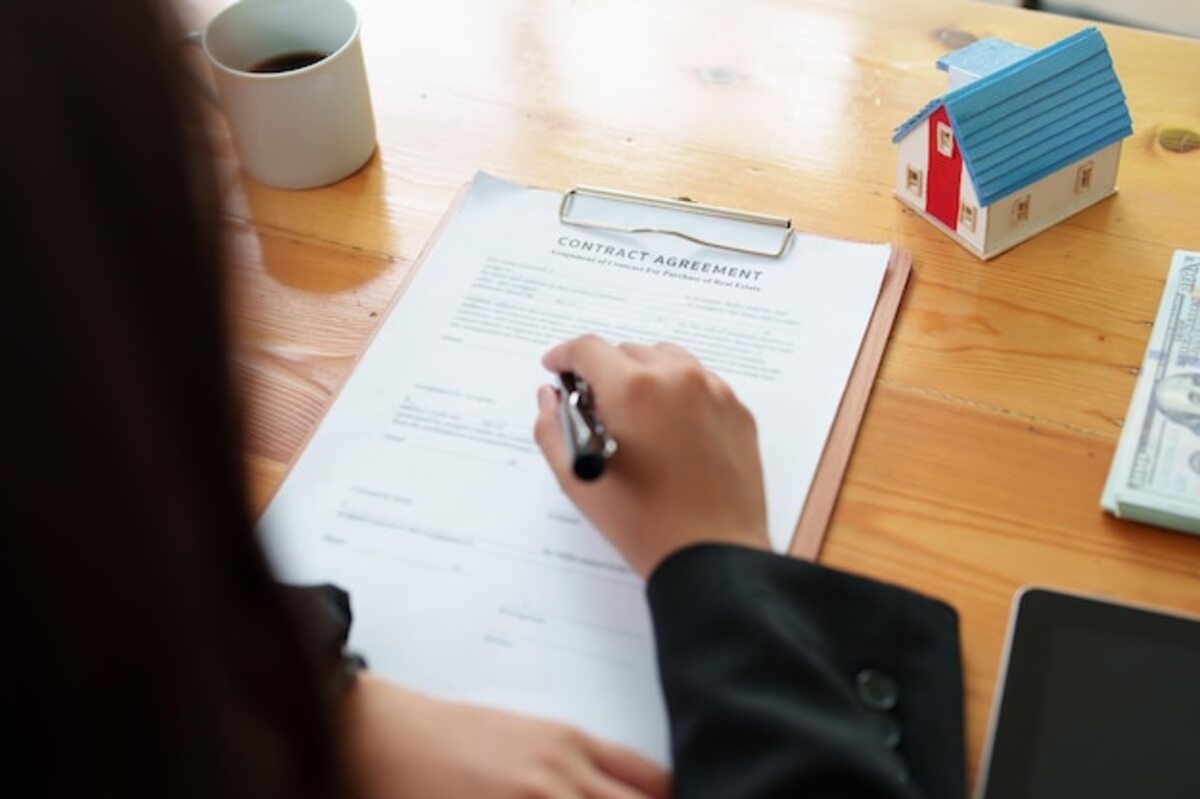
Verifying the authenticity of the property title is a crucial step in the real estate buying process. It not only ensures that you are acquiring what you truly believe you are, but also protects your long-term investment. In this article, we will provide you with the essential keys to ensure that the property title is legitimate and free of encumbrances or legal issues. With these practical tips, you will be better prepared to make informed decisions and avoid unpleasant surprises on your journey to acquiring your new home.
Importance of a Legitimate Title of Property
The importance of a legitimate property title lies in its fundamental role as proof of ownership of a real estate asset. Having a valid title ensures that you are the true owner of the property, allowing you to exercise rights over it without fear of claims from third parties. A legitimate title not only supports your investment but also provides security and peace of mind knowing that there are no pending legal disputes that could affect your possession. In the real estate world, where transactions are significant and often complex, having certainty about the authenticity of the title is essential to avoid future conflicts.
Additionally, a legitimate property title is crucial to facilitate any procedures related to the property, whether it is a future sale, refinancing, or even obtaining loans. Without a valid title, you could face legal obstacles that not only complicate your financial plans but could also lead to considerable economic losses. In summary, ensuring the legitimacy of the property title not only protects your current investment but also opens the doors to future opportunities related to the acquired asset. Therefore, verifying its authenticity should be one of the first steps in any real estate purchase process.
Advertisements
Necessary Documentation for Verification
To conduct a thorough verification of the property title, it is essential to have the appropriate documentation. First, you should request a copy of the current property title from the seller. This document must include key details such as the owner's name, the description of the property, and any liens or encumbrances existing on the property. Additionally, it is advisable to obtain a history of previous transactions that shows how ownership has changed over time, which can help you identify potential issues or disputes related to the title.
Another essential document is the certificate of encumbrances, which provides information about any debt or financial burden associated with the property. This certificate will allow you to know if there are mortgages, liens, or other rights that could affect your purchase. It is also advisable to review the documents related to the property taxes and fees to ensure they are up to date and there are no surprises in the future. Gathering all this documentation will not only facilitate the verification process but also provide you with a clearer view of the legal situation of the property before making your investment.
How to Conduct a Search in the National Registry
To carry out a search in the National Registry, it is essential to have the basic information of the property in question, such as its address, registration number, or matrícula. This registry is the official source where all acts related to the property are recorded, including transfers, mortgages, and any encumbrances that may affect the title. Accessing this information will allow you to confirm not only the identity of the current owner but also to verify if there are any liens or legal issues associated with the property. Therefore, it is essential to have this information ready before starting your inquiry.
There are various ways to search the Registro Nacional. You can do it in person at the corresponding offices or use digital platforms that offer access to this database. If you choose the online method, make sure to use an official site to avoid fraud. When accessing the information, you should carefully analyze the available documents and ensure they match what has been presented to you in the purchasing process. Remember that any inconsistency could be a warning sign and deserves further investigation before proceeding with the transaction.
Identification of Possible Charges or Liens
Identifying potential encumbrances or liens on a property title is a fundamental step to ensure a safe purchase free of surprises. Encumbrances may include mortgages, liens, easements, or other rights that third parties may have over the property. It is essential to review the property's history in public records or consult a legal professional specialized in real estate to obtain accurate and up-to-date information. Failing to do so could lead to unexpected financial obligations or limitations on the use of your new home. Additionally, it is advisable to request a title report that details any existing encumbrances. This document not only reveals the current conditions of the title but also provides a clear view of potential disputes related to the property. By knowing all the encumbrances associated with the property, you can make informed decisions about your purchase and, if necessary, negotiate with the seller to resolve these issues before closing the deal. Protecting your investment begins with a full understanding of the legal status of the property you wish to acquire.
The Relevance of the Notarial Report
The notarial report plays a fundamental role in validating the authenticity of the property title. This document, prepared by a public notary, provides a thorough review of the legal status of the property in question. It includes relevant information about the property's history, such as changes in ownership, tax liens, and potential associated litigations. By having a notarial report, you can be certain that the title you are considering acquiring has undergone rigorous analysis, which is essential to avoid future legal issues.
Additionally, the notarial report is not only limited to verifying backgrounds and rights over the property; it also ensures that all transactions carried out meet the necessary legal requirements. This means that any irregularity or defect in the title will be detected before the purchase, thus protecting your investment and providing you with peace of mind. For these reasons, it is advisable to request this type of report as part of the due diligence process when acquiring a property. A clear and well-founded notarial report can be the difference between a secure purchase and a series of unexpected legal complications in the future.
Consult with a Real Estate Attorney
Consulting a real estate attorney is a crucial step to ensure the authenticity of the property title. These professionals not only have a deep understanding of local laws and regulations, but they can also identify any potential issues that may arise during the purchasing process. With their expertise, you can obtain a thorough review of the property title, ensuring it is free of liens, undisclosed mortgages, or legal disputes that could affect your acquisition. An attorney can provide you with peace of mind by verifying that all documents are in order and comply with current regulations.
Additionally, a specialized lawyer can advise you on the steps to take in case of finding irregularities or issues with the title. Their intervention is especially valuable if unexpected complications arise, such as claims from third parties or discrepancies in the documentation. Having someone with experience in real estate transactions will allow you to navigate these challenges more easily and securely. Ultimately, investing in the right legal consultation not only protects your immediate investment but also ensures your long-term financial well-being by avoiding future litigation or economic losses related to the acquired property.
Key Questions to Ask the Seller about the Title
When approaching the purchase of a property, it is essential to have clear and precise information from the seller about the title. One of the key questions you should ask is whether the title has been subject to any litigation or dispute. This will not only help you understand if there are potential legal issues but also allow you to assess the risks associated with the purchase. Another important question is about any existing liens or encumbrances on the property; this includes mortgages, attachments, or other rights that third parties may have over it. Knowing these encumbrances will enable you to make more informed decisions and avoid surprises in the future. Additionally, request documentation from the seller that supports their ownership, such as proof of paid taxes and any certificates that demonstrate the legality of the title. Also, ask how they acquired the property; the seller's background can give you a clear insight into the legitimacy of the title. Do not hesitate to ask for clarifications on any aspect you do not fully understand; a transparent seller will be willing to provide you with all the necessary information to build trust in the transaction. These questions are not only key to verifying the authenticity of the title but also represent an essential step in securing your investment and peace of mind when acquiring your new home.
Precautions When Buying Properties in New Projects
When considering the purchase of properties in new projects, it is essential to take additional precautions that can safeguard your investment and avoid future setbacks. First, make sure to thoroughly research the project developer. Verify their reputation in the market and look for reviews from previous buyers about their experience. A developer with a solid track record and a good reputation is more likely to meet delivery deadlines and promised specifications, which will give you greater peace of mind in your investment. Additionally, check if the project has all the necessary licenses and is properly registered with the relevant authorities.
Another essential aspect to consider is the detailed review of the purchase agreement. Ensure that this document includes specific clauses regarding the delivery of the property, warranties, and cancellation or refund policies in case of non-compliance by the developer. It is advisable to have appropriate legal advice to evaluate all the terms and conditions established in the contract before signing it. Also, consider conducting an additional verification of the legal status of the land where the project is being built; this includes checking for any liens or legal issues associated with it that could affect your future property. These precautions will not only protect your investment but also help you make much more informed decisions when acquiring a new home.
Additional Resources for Legal Verification
To ensure a thorough legal verification of the property title, it is essential to have additional resources that complement the basic steps of investigation. There are various online platforms that allow access to public records and databases related to property. These resources may include local property records, title search services, and government databases where documents related to real estate transactions are stored. Utilizing these resources can not only provide you with a clearer picture of the title's validity but also help you identify potential liens or legal disputes related to the property in question.
It is also advisable to consult with professionals in the field, such as real estate lawyers or experienced real estate agents. They can provide you with personalized advice and conduct a thorough review of the title, ensuring that it complies with all necessary regulations and legal requirements. The combination of digital tools and professional support can be invaluable in providing you with peace of mind when making your investment, allowing you to make informed decisions based on accurate and up-to-date information regarding the authenticity of the property title you wish to acquire.
Advertisements
More in Legal Verification

Buying Process, Legal Verification
Fundamental Aspects to Ensure Your Real Estate Purchase
Buying Process, Legal Verification
Legal Aspects That Boost Your Confidence When Buying Properties
Buying Process, Legal Verification
Fundamentals to Validate the Legality of Your Home Purchase

Buying Process, Legal Verification
Secure Your Purchase with a Thorough and Reliable Legal Analysis
Most viewed in Buying Process
Buying Process, Legal Verification
Fundamental Aspects to Ensure Your Real Estate Purchase
Buying Process, Legal Verification
Legal Aspects That Boost Your Confidence When Buying Properties

Buying Process, Advice
Tips for choosing the ideal property without complications

Buying Process, Common Mistakes
Mistakes That Can Frustrate Your Purchase in La Fortuna