
Legal Aspects That Boost Your Confidence When Buying Properties

The purchase of a property is one of the most important decisions in life, and having a solid legal backing can be the determining factor in boosting your confidence. In this article, we will explore the legal aspects that ensure a safe and transparent transaction, making sure that every step of the purchasing process is supported by Costa Rican regulations. Discover how legal verification not only protects your investment but also provides you with peace of mind when acquiring that dream home.
The Importance of Legal Verification in the Purchase Process
Legal verification in the property purchase process is essential to ensure that the transaction proceeds without setbacks. This involves reviewing all documents related to the property, such as the title deed, existing liens and encumbrances, as well as the registration status of the property. By conducting this verification, buyers can identify potential issues that may affect their investment in the future, such as legal disputes or restrictions on the use of the land. In this regard, having a specialized lawyer to carry out this review is crucial to ensure that every legal aspect is properly safeguarded.
Furthermore, legal verification protects the buyer against fraud and common scams in the real estate market. Sometimes, properties may be offered by individuals without the necessary authority or presenting misleading information about their legal status. By conducting a thorough analysis of the legal background of the property and the seller, the risks associated with the purchase are minimized. This diligence not only strengthens your confidence in making informed decisions but also allows you to fully enjoy your new acquisition without future concerns related to its legitimacy.
Advertisements
Essential Documentation to Validate Properties
The essential documentation to validate properties is a critical component in the purchase of real estate. Among the most important documents are the property deed, the cadastral plan, and the certificate of encumbrances. The deed guarantees that the seller is the legitimate owner and has the right to sell the property, while the cadastral plan provides information about the boundaries and dimensions of the land. The certificate of encumbrances allows you to verify if there are any charges or debts associated with the property, which can affect your investment if not addressed properly before making a purchase. In addition, it is essential to request an updated registry report, which provides a comprehensive overview of the legal status of the property. This report includes details about potential litigation or legal disputes that could arise in the future. Gathering all this documentation will not only help you make an informed decision, but also provide you with the necessary security to proceed with the acquisition process with confidence and peace of mind. By ensuring that all these documents are in order, you significantly reduce the risk of unpleasant surprises after closing the transaction.
How to Identify Properties Free of Liens
Identifying properties free of liens is a crucial step in the buying process, as these liens can affect both ownership and the full enjoyment of the property. To begin, it is advisable to consult the National Registry, where detailed information about the legal status of the property can be obtained. This registry provides data regarding mortgages, attachments, and other encumbrances that may exist on the asset. Ensuring that the property is free of these encumbrances will allow you to avoid unpleasant surprises and legal conflicts in the future.
In addition to consulting the National Registry, it is also advisable to request a certification of freedom from encumbrances issued by that registry. This official document confirms that there are no restrictions or rights that limit the property in question. It is important to keep in mind that even if a property appears to be free at the time of purchase, issues may arise if its legal status is not properly verified. Therefore, having specialized legal advice can be a valuable investment to ensure that your acquisition is safe and free of future complications.
The Role of the Notary Public in Real Estate Transactions
The notary public plays a crucial role in the purchase of real estate, acting as a guarantor of legality and transparency throughout the process. Their main function is to certify the authenticity of documents and ensure that all parties involved comply with established regulations. By intervening in the transaction, the notary verifies that the seller is indeed the owner of the property and that there are no liens or debts associated with it. This provides an additional layer of security, as any irregularities can be detected before formalizing the purchase, avoiding unpleasant surprises for the buyer.
In addition to validating documents, the notary public is responsible for drafting and protocolizing the sale deed, ensuring that it is carried out in accordance with current legal requirements. This process includes reviewing compliance with tax and registration requirements, guaranteeing that all taxes associated with the transaction are paid appropriately. By providing this professional service, the notary not only protects the buyer but also facilitates a smooth transition in the transfer of the title of property. In summary, having a competent notary public is essential for building trust at every step of the way to your new home.
Contracts: Keys to Avoid Legal Issues
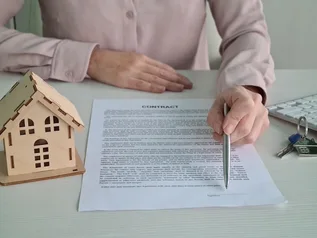
When acquiring a property, it is essential to establish clear and detailed contracts that outline the terms and conditions of the transaction. These documents not only define the obligations of both parties but also serve as a legal framework that protects your rights as a buyer. A well-drafted contract should include essential aspects such as the sale price, the method of payment, and any specific conditions related to the property, which can prevent misunderstandings or future disputes. Ensuring that all elements are in writing provides you with greater security and confidence in the process.
It is also essential to consult a real estate attorney before signing any contract. This professional can review the documents to ensure they comply with current legislation and adequately reflect your interests. They can also advise you on additional clauses that might be beneficial, such as warranties or suspensive conditions. Legal advice not only minimizes potential risks but also helps you better understand your rights and responsibilities throughout the transaction, thus ensuring a smoother and more satisfactory experience when buying your ideal home.
National Registry: Your Best Ally in Legal Security
The National Registry is a fundamental tool in the property buying process, as it acts as a guarantor of legal security. By registering the property in this registry, a clear legal link is established that protects both the buyer and the seller. This means that any interested party can verify the legal status of the property, including ownership, existing liens, and encumbrances. Thus, the National Registry not only provides transparency in real estate transactions but also helps to prevent fraud and future conflicts.
With the backing of the Registro Nacional, buyers can feel more secure when making their investment. This organization not only provides accurate information about properties but also allows owners to defend their rights against potential claims. Trust in the Costa Rican legal system is strengthened when buyers know that their property is properly registered and protected by law. In summary, the Registro Nacional becomes an indispensable ally for those looking to acquire a property without unpleasant surprises or unnecessary risks.
Tax Aspects to Consider Before Buying
Before purchasing a property, it is essential to consider the tax aspects that may impact your long-term investment. In many countries, including Costa Rica, there are taxes associated with the acquisition of real estate, such as the property transfer tax and the property tax. Understanding these levies will allow you to calculate the total cost of the purchase and avoid unpleasant surprises in the future. Additionally, it is relevant to learn about possible tax deductions or benefits you may obtain as a property owner, which could influence your final decision.
Another important tax aspect to consider is the obligation to declare properties to the relevant authorities. Failure to register or declare can lead to penalties and legal complications that may affect your right to enjoy the property. Additionally, if you plan to rent the property, you should be aware of the tax regulations related to rental income and how this may impact your tax situation. Lastly, having specialized legal advice on tax matters will provide you with greater clarity and security throughout the purchasing process, ensuring that your investment is protected from all angles.
Conflict Resolution: What to Do if Legal Issues Arise
Conflict resolution is a critical aspect of the property buying process, as even the most careful transactions can encounter legal issues. If disputes arise, it is essential to address the situation proactively and with a clear strategy. Start by reviewing all documents related to the purchase, such as the contract and any prior communication between the parties involved. This will allow you to identify the root of the problem and determine if there is any clause that may be relevant to resolving the conflict. Additionally, having a lawyer specialized in real estate can facilitate the process, as you will receive advice on best practices and the available options for resolving the dispute.
If a friendly agreement cannot be reached, consider alternatives such as mediation or arbitration before proceeding to more formal legal actions. These methods are often less costly and quicker than going to court, allowing both parties to come to an understanding without damaging their business or personal relationship. If you decide to opt for legal action, make sure to gather solid evidence and keep all documentation organized, which will be essential to support your position in court. Remember that good legal preparation not only protects your immediate interests but also promotes a smoother transaction in future real estate investments.
Practical Tips for Navigating the Costa Rican Legal Framework
Navigating the Costa Rican legal framework can seem challenging, but with the right advice, this process becomes much more accessible. First, it is crucial to have the guidance of a real estate lawyer who is familiar with local legislation. This professional will not only guide you through the necessary procedures but will also help you identify potential issues in the property documentation and ensure that all information provided by the seller is accurate and up-to-date. Investing in good legal advice is a guarantee to avoid unpleasant surprises in the future.
It is also advisable to conduct thorough research on the property's history before proceeding with the purchase. This includes checking for liens, mortgages, or legal issues associated with the property. Utilizing the services of the Registro Nacional de Costa Rica to review the registration conditions can provide you with greater security regarding your future acquisition. Make sure to also understand the local laws related to property and any specific requirements that may apply based on the property's location; this will allow you to make informed decisions and avoid future complications. With these practical tips, you will be better prepared to face the buying process with confidence and peace of mind.
Advertisements
More in Legal Verification

Buying Process, Legal Verification
Fundamental Aspects to Ensure Your Real Estate Purchase
Buying Process, Legal Verification
Fundamentals to Validate the Legality of Your Home Purchase

Buying Process, Legal Verification
Secure Your Purchase with a Thorough and Reliable Legal Analysis

Buying Process, Legal Verification
Legal Security for Investing in La Fortuna and Its Nature
Most viewed in Buying Process
Buying Process, Legal Verification
Fundamental Aspects to Ensure Your Real Estate Purchase

Buying Process, Advice
Tips for choosing the ideal property without complications

Buying Process, Common Mistakes
Mistakes That Can Frustrate Your Purchase in La Fortuna

Buying Process, Documentation
Key documentation to ensure a hassle-free purchase