
Legal Verification: Keys to Accelerate Your Home Purchase
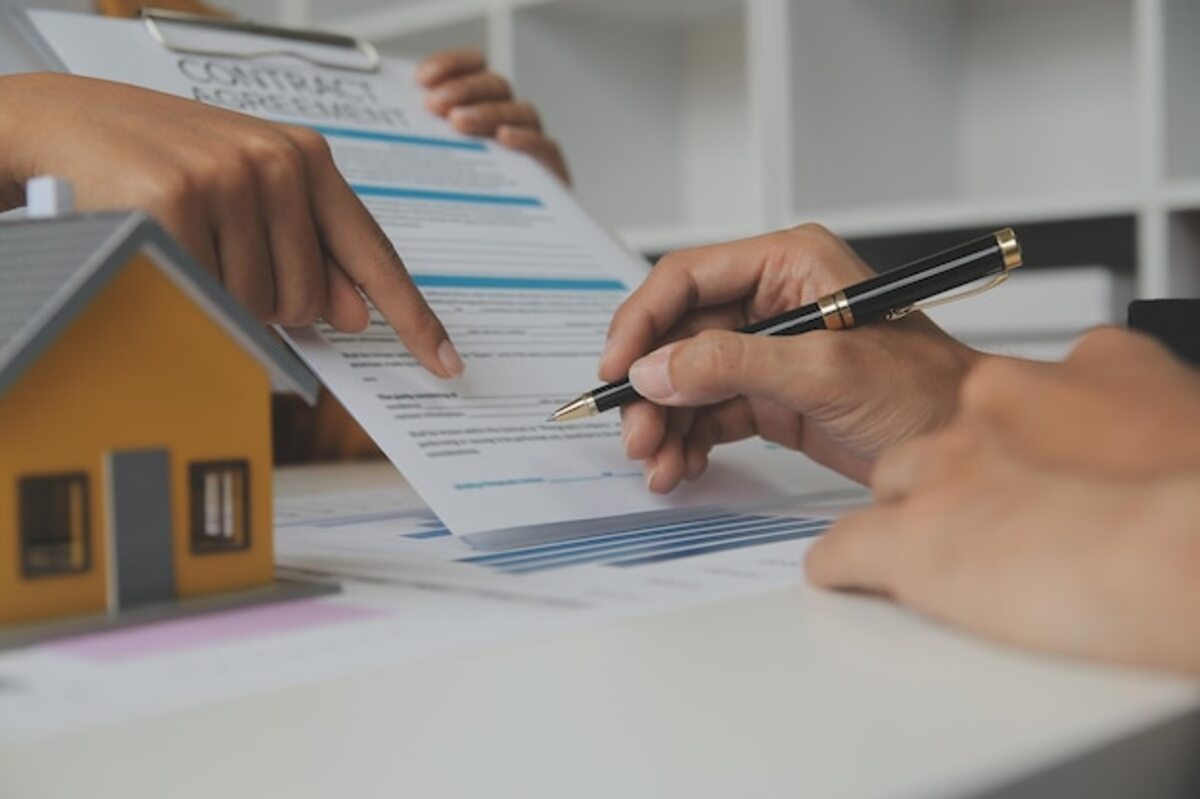
Buying a home is a crucial step in life, but the process can become overwhelming without the proper information. In this article, we will provide you with the keys to conducting an effective legal check that will speed up your home purchase. Understanding the legal aspects will help you avoid unpleasant surprises and make informed decisions. Get ready to discover how to simplify this process and ensure that your investment is safe and beneficial.
The Importance of Legal Verification in Home Purchase
Legal verification in home buying is a fundamental step that should not be underestimated. This process involves reviewing all documents and legal backgrounds of the property, allowing you to understand its legal status and avoid future problems. It is essential to ensure that the property is free of liens, mortgages, or legal conflicts that could affect your investment. By conducting thorough verification, you can ensure that you are acquiring a property with all the necessary legal guarantees to avoid unpleasant surprises.
Additionally, having proper legal verification provides you with peace of mind throughout the entire purchasing process. Knowing that the property complies with urban regulations and that its title is legitimate not only protects your investment but also facilitates obtaining financing if you decide to opt for a mortgage. In summary, investing time and resources in verifying the legal aspects of the property can save you complications in the long run and ensure that your new home is a true home from day one.
Advertisements
Necessary Documents for Legal Verification
To carry out an adequate legal verification in the home buying process, it is essential to have a series of necessary documents that support the legal status of the property. Among these documents are the public deed of ownership, which must be properly registered in the property registry; the certificate of encumbrances, which allows knowing if there are any charges or mortgages on the property; and the up-to-date property tax receipt, which ensures that there are no outstanding debts for this concept. Additionally, it is advisable to request a cadastral history to verify that the property's data matches what is officially recorded.
On the other hand, it is also essential to obtain additional documentation related to the seller, such as their official identification and a recent proof of address. This will help confirm the identity of the owner and ensure that they have the necessary authority to sell the property. No less important is to check if there are any pending lawsuits or legal disputes associated with the property, as this could complicate the transaction. Gathering all this information not only speeds up the purchasing process but also provides peace of mind to the buyer by knowing they are making informed and secure decisions.
How to Identify Properties Free of Liens
To identify properties free of encumbrances, it is essential to conduct thorough research in the property registry. This registry provides crucial information about the legal status of the property, including any liens or debts that may be associated with it. By requesting a lien certificate, you can check for any mortgages, foreclosures, or restrictions that may affect your ability to acquire and fully enjoy the property. It is advisable to do this before proceeding with any offer, as it will allow you to avoid future legal issues and ensure that your investment is free from unpleasant surprises.
Another key aspect is to consult with a real estate attorney. A professional can help you interpret legal documents and provide a clear insight into the current status of the property. Additionally, they can review other factors such as easements or restrictions that may impact your use and enjoyment of the space. By having the support of an expert, you not only ensure that you are making informed decisions, but you will also have greater confidence in each step of the buying process. Remember that investing time in this legal verification can save you complications and unnecessary expenses in the long run.
The Role of the National Registry in Legal Verification
The National Registry plays a fundamental role in legal verification when acquiring a home. This organization centralizes crucial information about the property, such as its ownership, liens, and any encumbrance that may affect its use or value. By consulting the National Registry, buyers can ensure that the home does not have hidden legal issues, such as foreclosures or unpaid mortgages, which can save them from facing conflicts in the future. In this way, this registry acts as an essential tool to validate the legality of the property and the authenticity of the documents presented by the seller.
Furthermore, access to this information allows buyers to make informed decisions and negotiate better purchase conditions. If irregularities are detected in the registry, it is possible to address these issues before formalizing the transaction. For example, if an owner is not properly registered or there are discrepancies in the description of the property, this may be a valid reason to reconsider the purchase or demand additional clarifications. In summary, consulting the National Registry is an essential step in the legal verification process that not only speeds up the home buying process but also provides peace of mind to the buyer by ensuring that their investment is protected against potential future legal issues.
Purchase Agreements: Keys for Their Review
The review of the purchase contracts is an essential step in the process of acquiring a home. This document not only establishes the conditions of the agreement between the buyer and the seller but also details crucial aspects such as the price, payment dates, and clauses related to the delivery of the property. It is essential to read each clause carefully to ensure that there are no ambiguous terms or that could lead to misunderstandings in the future. If possible, having the advice of a lawyer specialized in real estate can be a valuable investment to ensure that all rights and interests are protected.
It is also important to pay attention to the annexes and supplementary documents that may be part of the contract. Aspects such as the legal status of the property, possible encumbrances or mortgages, and the verification that all necessary licenses are in order are key elements that must be thoroughly reviewed. Do not underestimate the importance of these verifications; an error or omission could lead to legal or financial complications later on. By fully understanding what you are signing and ensuring that everything is properly documented, you will be taking solid steps toward a secure and smooth purchase.
Legal Aspects Related to Land Use
Land use is regulated by a series of regulations that vary according to location and type of property. When considering the purchase of a home, it is essential to verify that the land complies with the relevant legal provisions, such as urban planning and zoning plans. These regulations determine what activities are permitted on the property, which can affect everything from the possibility of expansions to the types of businesses that can be operated on it. Ignoring these aspects can result in penalties or even the loss of rights over the property, making this verification an essential step for any buyer.
Additionally, it is important to check for any additional restrictions imposed by homeowners' associations or local agreements. Some communities establish rules regarding architectural design, exterior colors, or even fences and gardens, which could influence your final decision. Ensuring that there are no legal burdens associated with the land use will allow you to fully enjoy your new home without future concerns. Conducting this detailed analysis will not only facilitate a smoother and safer purchase but will also provide you with peace of mind knowing that you have made informed decisions based on a clear understanding of the legal framework.
The Notary's Responsibility in the Purchase Process
The role of the notary is essential in the process of purchasing a home, as their responsibility goes beyond the mere formalization of the contract. The notary acts as a guarantor of legality and transparency in the transaction, ensuring that all documents are in order and that the rights of both the buyer and the seller are respected. Their intervention helps prevent potential future conflicts related to the property, as they verify the existence of liens or encumbrances on the property and ensure that the seller has the legal capacity to carry out the sale. This not only protects the buyer but also provides security for the entire operation.
It is important to highlight that the notary not only authenticates signatures but also provides legal advice during the process. Before signing any document, it is advisable to consult with him to clarify doubts about specific clauses or legal implications. This way, common mistakes that could lead to future problems are avoided. Furthermore, his role includes ensuring that all procedures related to the registration of the deed in the corresponding registry are carried out correctly, which is vital for officially consolidating ownership and avoiding future inconveniences. Having a competent notary can be an essential key to speeding up your purchase and ensuring a secure investment.
Prevention of Real Estate Frauds: Essential Tips
Preventing real estate fraud is a fundamental aspect of buying a home. To protect your investment, it is vital to conduct thorough research on the property and its ownership. Verify that the seller is the legitimate owner and that there are no liens or debts associated with the home. Requesting a property history and consulting with the public registry can provide you with key information to detect irregularities. Additionally, it is always a good idea to ask for references about the seller or the real estate agency, which will help ensure that you are dealing with trustworthy individuals.
Another essential tip is to use professional services in the purchasing process. Having a lawyer specialized in real estate or a notary will allow for a more rigorous legal review of the contract and other necessary documents. They can identify abusive clauses or unfavorable conditions that you might overlook, as well as ensure that everything complies with local regulations. Also, consider conducting a technical inspection of the property to uncover potential structural issues before closing any deal. Taking these precautions will not only minimize the risks of fraud but will also provide you with greater peace of mind when making your investment.
How to Conduct a Historical Property Research
To conduct a historical property research, it is essential to gather information that allows you to understand the legal and physical past of the property. This research begins with the review of public documents, such as previous deeds, property records, and mortgages. You can access these documents at government offices or through online services that provide databases on properties. By analyzing this documentation, you will be able to identify who the previous owners have been, if there have been legal disputes related to the property, and any liens or encumbrances that may affect your purchase.
It is also advisable to investigate whether the property has been subject to claims by third parties or if there are outstanding issues with the town hall that may impact its future use. This includes checking for fines imposed for urban planning violations or conditions that require significant repairs. Additionally, consider speaking with neighbors and community members to gather more information about the history of the property and its surroundings. A thorough investigation will not only provide you with peace of mind by knowing more about what you are buying, but it will also allow you to negotiate better on the price and terms of the purchase.
Frequently Asked Questions about Legal Verification in Real Estate Purchases
Legal verification in the purchase of a home can raise many questions, especially for those venturing for the first time into the real estate world. One of the most common doubts is: what documents should I review before closing the purchase? It is essential to ensure that the property title is free of liens and that the building permits are valid. Additionally, it is advisable to check the tax situation of the property and whether there are any pending litigations. Having clarity on these aspects not only protects your investment but also provides peace of mind during the process.
Another common concern is knowing how to choose the right professional to carry out the legal verification. Having a lawyer specialized in real estate or a notary can make a difference in identifying potential legal issues. It is crucial to ask about their experience and request references before committing to work with them. Additionally, many buyers wonder what to do if they find irregularities during the legal review. In this case, the best course of action is to act quickly, considering options such as renegotiating terms or even withdrawing from the deal if the circumstances are severe. Clear and precise information is your best ally to avoid future complications in your real estate acquisition.
Advertisements
More in Legal Verification

Buying Process, Legal Verification
Fundamental Aspects to Ensure Your Real Estate Purchase
Buying Process, Legal Verification
Legal Aspects That Boost Your Confidence When Buying Properties
Buying Process, Legal Verification
Fundamentals to Validate the Legality of Your Home Purchase

Buying Process, Legal Verification
Secure Your Purchase with a Thorough and Reliable Legal Analysis
Most viewed in Buying Process
Buying Process, Legal Verification
Fundamental Aspects to Ensure Your Real Estate Purchase
Buying Process, Legal Verification
Legal Aspects That Boost Your Confidence When Buying Properties

Buying Process, Advice
Tips for choosing the ideal property without complications

Buying Process, Common Mistakes
Mistakes That Can Frustrate Your Purchase in La Fortuna