
Legal Verification: Strategies for Buying with Total Confidence
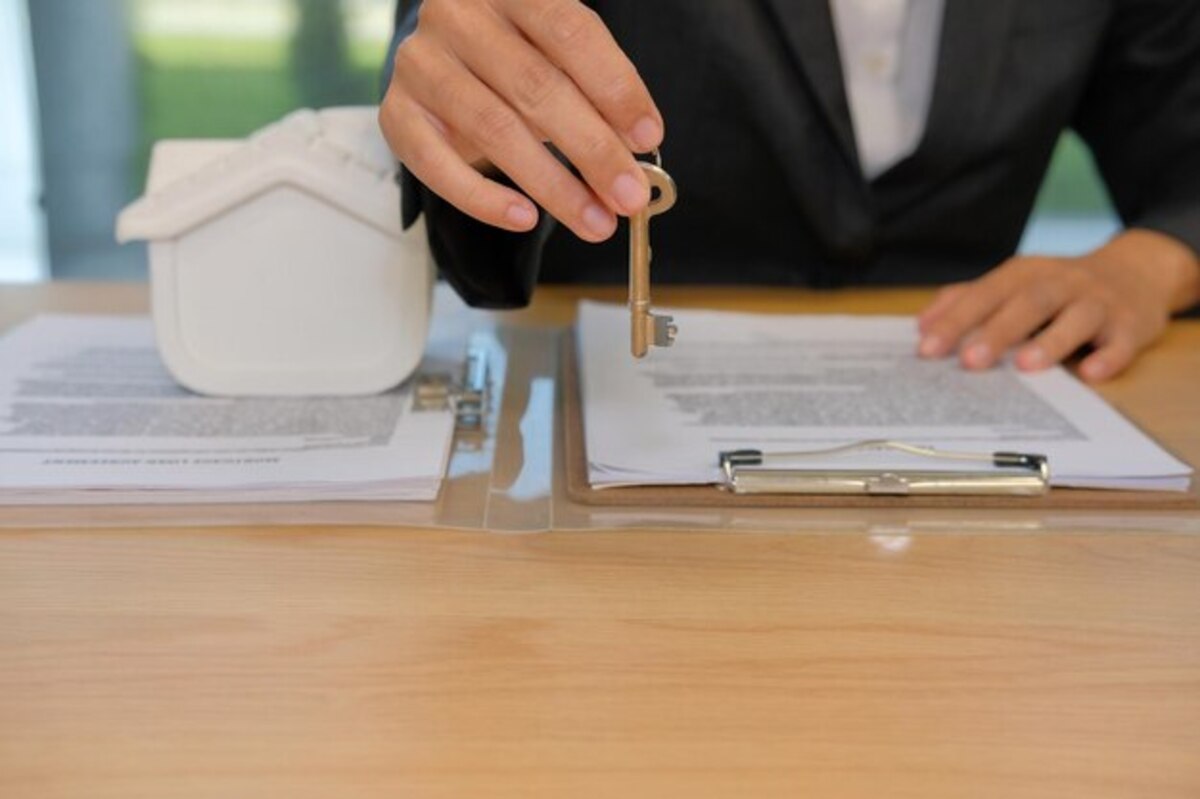
The purchase of a property is one of the most important decisions in life, and having the proper legal verification is essential to ensure your peace of mind. In "Legal Verification: Strategies for Buying with Total Confidence," we will provide you with effective tools that will allow you to navigate the buying process without surprises. From key documents to practical tips, this article is designed to empower you and ensure that every step is backed by a solid legal foundation. Get ready to buy with total confidence!
The Importance of Legal Verification in the Purchase Process
Legal verification in the property purchase process is essential to avoid unpleasant surprises that may arise after the transaction. A thorough analysis of relevant documentation, such as deeds, certificates of no encumbrances, and previous contracts, allows you to identify potential legal issues that could affect your investment. By ensuring that the property is free from encumbrances and legal disputes, you not only protect your assets but also save time and money in the long run.
Having a legal advisor or a notary during this process can be invaluable. These professionals will not only help you interpret complex documents, but they will also provide assurances about the legitimacy of the seller and the terms of the contract. This way, you can approach the purchase from an informed and secure position. The importance of this verification lies in the fact that any mistake or oversight at this stage could result in future litigation or even the total loss of your investment; therefore, investing time and resources to ensure a legally sound purchase is key to guaranteeing a smooth experience.
Advertisements
Essential Documentation: What Should You Review?
When acquiring a property, it is crucial to review the essential documentation that supports both the legality of the property and your rights as a buyer. Among the most important documents are the title deed, which must be free of liens or encumbrances, and the certificate of freedom from encumbrance, which ensures that there are no debts associated with the property. It is also advisable to review the cadastral plans and building permits, as they provide information about land use and the legality of existing constructions. The absence of any of these documents can lead to future legal complications and affect your investment.
Additionally, do not forget to verify the identity of the seller and their ability to sell the property. This includes checking their official identification, as well as ensuring that they are properly registered in the Public Property Registry. If the seller is a company or a trust, their bylaws must be reviewed to validate that they have the authorization to conduct real estate transactions. Having a lawyer specialized in real estate can be a great ally in this process; their expertise will help you identify potential hidden risks and ensure that all documentation is correct before closing the purchase. By having clarity on these legal aspects from the beginning, you can proceed with confidence towards a successful acquisition.
How to Identify Properties with Clear Titles
To identify properties with clear titles, the first step is to request a copy of the current property title. This document will provide you with crucial information about ownership and any liens or encumbrances that may affect the property. It is essential to verify that the seller's name matches the one on this title, as well as to confirm that there are no outstanding debts or liens associated with the property. A clear title means that there are no legal claims or inheritance issues that may arise in the future, which is fundamental to protecting your investment.
It is also advisable to conduct a background check in the local public records. This may include reviewing if there have been previous litigations related to the property or if there are any active mortgages. You may also consider hiring the services of a real estate attorney to conduct a thorough title review and provide advice on any potential issues. By following these steps, you can ensure that you are acquiring a property without unpleasant surprises and with all the necessary legal security to enjoy it fully.
The Risks of Not Conducting Proper Legal Due Diligence
The lack of proper legal verification when acquiring a property can lead to serious consequences that go beyond financial issues. One of the most significant risks is the possibility of facing legal problems related to the ownership of the property. If the documentation is not verified correctly, you could find yourself in complicated situations such as disputes with previous owners or unresolved rights over the land, which could lead to lengthy legal processes and unexpected expenses. The uncertainty regarding who actually owns the property can destabilize your investment and put your peace of mind at risk.
In addition to legal issues, neglecting proper verification can also lead to unpleasant surprises related to hidden liens or encumbrances on the property. These may include unpaid mortgages, liens, or even environmental claims that could require costly repairs and compliance with specific regulations. Thus, without a thorough analysis of the legal status of the property, you could find yourself assuming financial liabilities that you had not initially anticipated. In summary, conducting meticulous legal verification is essential to protect your investment and ensure that your purchase is truly safe and transparent.
Consult with Experts: Lawyers and Notaries
Consulting with experts, such as lawyers and notaries, is a fundamental step in the property buying process. These professionals not only have the legal knowledge necessary to interpret and verify the documentation related to the property, but they can also provide you with insight into potential legal risks you may face. A lawyer specialized in real estate can help you review the purchase contract and ensure that all terms are fair and clearly defined. Additionally, their experience will allow you to identify hidden clauses or unfavorable conditions that could jeopardize your investment.
On the other hand, notaries play a crucial role in authenticating documents and ensuring that all transactions are conducted according to the law. With their intervention, you can be assured that the transfer of property will be carried out without legal inconveniences. Consulting these experts not only provides you with peace of mind during the buying process but also protects you against future disputes or issues related to the ownership of the property. Investing time in proper advice is key to avoiding unpleasant surprises and securing your long-term investment.
Strategies for Trustworthy Negotiation in the Purchasing Process
Negotiating reliably during the property buying process is essential to ensure you get the best possible terms. To achieve this, it is crucial to prepare adequately before sitting down at the negotiation table. Research the local real estate market, compare prices, and know the actual value of the property you wish to acquire. This will not only give you a solid foundation to argue your offer but also allow you to identify any discrepancies in the property's valuation. Additionally, having a legal advisor or an experienced real estate agent can provide you with valuable information about legal and financial aspects that could influence your decision.
Once you are ready to negotiate, it is important to establish open and honest communication with the seller or their representative. Listening to their needs and concerns can create an atmosphere of mutual trust, thus facilitating the search for solutions that benefit both parties. Also consider using negotiation techniques like "anchoring," where you first present your initial offer to establish a favorable reference point. Remember to always maintain a professional and calm attitude; this will not only help you gain respect but will also contribute to building long-term relationships in the real estate field. Negotiating with confidence means being well-informed and prepared, which is key to securing a successful transaction.
Practical Tips to Stay Protected During the Transaction
To ensure that your real estate transaction is carried out safely, it is crucial to follow some practical tips that will help keep you protected. First, always verify the identity of the seller and make sure they are legally authorized to sell the property. Request documents such as the current deed, property tax payment receipts, and any other relevant documents that evidence their rights over the property. This will not only give you peace of mind, but also prevent potential fraud.
Another important piece of advice is to conduct thorough research on the property before closing the deal. Check public records to verify if there are any liens or outstanding mortgages and consider hiring a real estate attorney to review all the legal documents involved. Additionally, never hesitate to take a tour of the neighborhood and talk to the neighbors; this can provide you with valuable information about the area and any potential issues related to the property. By following these steps, you will be better prepared to make informed decisions and avoid unpleasant surprises during the buying process.
Advertisements
More in Legal Verification

Buying Process, Legal Verification
Fundamental Aspects to Ensure Your Real Estate Purchase
Buying Process, Legal Verification
Legal Aspects That Boost Your Confidence When Buying Properties
Buying Process, Legal Verification
Fundamentals to Validate the Legality of Your Home Purchase

Buying Process, Legal Verification
Secure Your Purchase with a Thorough and Reliable Legal Analysis
Most viewed in Buying Process
Buying Process, Legal Verification
Fundamental Aspects to Ensure Your Real Estate Purchase
Buying Process, Legal Verification
Legal Aspects That Boost Your Confidence When Buying Properties

Buying Process, Advice
Tips for choosing the ideal property without complications

Buying Process, Common Mistakes
Mistakes That Can Frustrate Your Purchase in La Fortuna