
Secure Your Purchase: Keys to Understanding Legal Documentation

Securing your purchase is fundamental in any transaction, especially when it comes to real estate. Understanding the legal documentation not only protects you but also allows you to make informed decisions and avoid unpleasant surprises. In this article, you will discover the essential keys to navigate the complex world of legal documents in the purchasing process, ensuring a safe and satisfying experience. Get ready to empower yourself with knowledge that will transform the way you buy.
Why is it crucial to understand legal documentation?
Understanding legal documentation is crucial because it forms the foundation upon which a secure transaction is built. When you acquire a property, you are not only purchasing an asset but also assuming rights and responsibilities that stem from that purchase. Legal documentation includes contracts, deeds, and other documents that outline the terms of the sale, as well as the rights of the buyer and seller. Ignoring or misinterpreting these documents can lead to legal complications in the future, such as disputes over ownership or issues related to hidden liens. Therefore, understanding every aspect of this documentation protects you against eventualities that could compromise your investment.
Additionally, having a good understanding of the legal documentation allows you to make informed and strategic decisions during the purchasing process. Each document has its specific purpose, and understanding it gives you an advantage when negotiating terms or requesting necessary clarifications before signing any agreement. You will also be able to identify clauses that could be harmful or unusual, which is essential to avoid unpleasant surprises after the purchase has been finalized. Ultimately, being well-informed about the legal aspects strengthens your position as a buyer and provides you with confidence at every step of the acquisition process.
Advertisements
Key documents in a purchase transaction
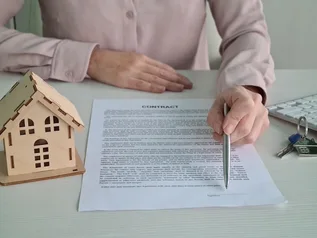
One of the most crucial documents in a purchase transaction is the sales contract. This agreement sets forth the conditions under which the operation will be carried out, including details such as the price, payment methods, and the obligations of both the buyer and the seller. It is essential to read each clause carefully and ensure that all important aspects are clearly defined. Any ambiguity could lead to misunderstandings or future disputes, so having legal advice when reviewing this document is highly recommended to protect your interests.
Another key document is the title deed, which verifies that the seller is indeed the legitimate owner of the property and that there are no liens or encumbrances on the property. Ensuring the validity of the title is essential to avoid future legal issues. Additionally, it may be necessary to obtain a background report, detailing any existing disputes or restrictions related to the property in question. Understanding these documents will allow you to approach the process with confidence and ensure a smooth and secure transaction.
How to verify the authenticity of documents
To verify the authenticity of documents related to a purchase, it is crucial to adopt a methodical and detailed approach. First, you should request original copies of all relevant documents, such as deeds, contracts, and property certificates. Ensure that these documents are properly signed and sealed by the corresponding authorities. The presence of official signatures and seals not only supports the legitimacy of the document but can also provide you with a clue about its legal validity. Additionally, thoroughly review any clause or condition inscribed in it to ensure that there are no inconsistencies that could raise doubts about its authenticity.
Another effective strategy is to conduct a search in the relevant public records. Many countries have publicly accessible databases where you can verify information related to properties and their owners. This will help you confirm that the seller is indeed the legitimate owner of the property in question. It is also advisable to consult a lawyer specialized in real estate or a notary during this process; they can provide you with expert advice and help you detect potential fraud or irregularities in the documents presented. By taking these precautions, you not only protect your investment but also ensure a smoother and more reliable buying experience.
The importance of the purchase agreement
The purchase and sale of a property, especially in the real estate sector, is a process that involves a series of commitments and responsibilities between the parties involved. The purchase agreement serves as the backbone of this transaction, as it establishes the terms and conditions agreed upon by the seller and the buyer. This document not only details fundamental aspects such as the price, the method of payment, and the description of the property, but it also protects the rights of both parties against potential disputes. By formalizing this contract, the risks associated with misunderstandings or breaches that could arise in the future are minimized.
In addition, having a well-structured sales contract provides greater legal security. In case of disagreements or issues after the transaction, this document can serve as legal evidence before judicial or administrative bodies. Therefore, it is crucial to read each clause carefully before signing and to consider consulting with a lawyer specialized in real estate to ensure that all legal aspects are covered. The importance of the sales contract lies not only in its function as an agreement between the parties but also in its fundamental role in ensuring a transparent and complication-free purchase in the long term.
Essential clauses you should know
The essential clauses in a purchase contract are those terms and conditions that outline the obligations and rights of both the buyer and the seller. Among these, the payment clause is crucial, as it specifies the amount to be paid, the acceptable methods, and the payment schedule. It is also important to include a delivery clause that establishes when and how the transfer of the goods will take place. Knowing these clauses will allow you to have clarity about your financial commitments and avoid later confusion.
Another vital clause is the contingency clause, which protects the buyer against unforeseen situations. For example, it may stipulate that the purchase is subject to the approval of financing or to the completion of a satisfactory inspection of the property. This protection provides you with peace of mind knowing that you are not obligated to proceed if any critical condition is not met. Familiarizing yourself with these legal aspects not only empowers you in the purchasing process but also minimizes potential risks that could lead to problems in the future.
The risks of not reviewing legal documentation
The risks of not reviewing legal documentation are numerous and can lead to serious consequences for buyers. Ignoring this fundamental aspect can result in situations such as acquiring properties with hidden financial burdens, legal disputes, or even the loss of the property. Without a thorough review, you may face unpleasant surprises, such as liens or ownership issues that were not evident at the time of purchase. Therefore, it is crucial to dedicate time and resources to understanding each document before signing any agreement.
Failure to adequately review legal documentation can lead to distrust and conflicts in future relationships with sellers or real estate agents. A lack of clarity regarding the established terms and conditions can result in misunderstandings that affect not only your investment but also your peace of mind. By ensuring that all information is accurate and complete, you not only protect your purchase but also lay a solid foundation for future interactions in the real estate realm. Ignoring these critical steps can result in additional costs and unnecessary frustrations in a process that should be exciting and positive.
Legal advice: when and why to hire it
Legal advice is a crucial component in any real estate transaction. Hiring a specialized lawyer gives you the peace of mind of knowing that every aspect of the process is being handled correctly. From contract review to verifying that there are no liens or encumbrances on the property, a professional can identify potential risks that you might overlook. This is especially important, as errors in legal documents can lead to significant and costly consequences in the future. Additionally, having legal advice can facilitate negotiations and protect your interests in case of disputes. An experienced lawyer can offer you strategies to address complicated issues and ensure that all clauses are fair and equitable. Sometimes, they may even mediate between you and the seller to find solutions that benefit both parties. Therefore, investing in good legal advice is not just a preventive measure; it is a smart way to ensure that your purchase is solid and backed by a strong legal foundation.
Frequently asked questions about legal verification in purchases
When it comes to verifying the legality of a purchase, many common questions arise that can create confusion. What documents are necessary to prove ownership? How can I ensure that there are no liens or encumbrances on the property I wish to acquire? These concerns are fundamental, and it is essential to address them to ensure a secure transaction. Legal verification involves reviewing the seller's documentation, as well as the relevant public records. Be sure to request a title report and a certificate of no liens; these documents will provide you with a clear view of the legal status of the property.
Additionally, it is important to consider what to do if discrepancies arise during the verification process. If you discover any irregularities, such as issues with the owner's background or restrictions on the property's use, it is crucial to act quickly. Consider the option of consulting a lawyer specializing in real estate for professional advice. The answers to these frequently asked questions will not only help you better understand the process but also allow you to feel more confident when making significant decisions in your purchases. With this information at hand, you will be better prepared to face any challenges that may arise during your buying experience.
Useful resources to simplify the documentation process
To simplify the documentation process in real estate purchases, it is essential to have resources that facilitate the understanding and management of legal documents. There are various online platforms that offer detailed guides on the necessary procedures, as well as examples of contracts and forms that can be used as references. Additionally, many real estate associations provide workshops and seminars where local regulations are explained and common questions about documentation are addressed. Taking advantage of these resources can save you time and reduce the stress associated with the purchase.
Another valuable resource is industry professionals, such as real estate attorneys or experienced real estate agents. These experts will not only help you understand each document, but they will also advise you to avoid costly mistakes. Do not underestimate the importance of having a support team during this process; their knowledge can make a significant difference in ensuring that all legal aspects are properly covered. By utilizing these tools and supports, you will be better prepared to secure your purchase without unnecessary setbacks.
Advertisements
More in Legal Verification

Buying Process, Legal Verification
Fundamental Aspects to Ensure Your Real Estate Purchase

Buying Process, Legal Verification
Legal Aspects That Boost Your Confidence When Buying Properties
Buying Process, Legal Verification
Fundamentals to Validate the Legality of Your Home Purchase

Buying Process, Legal Verification
Secure Your Purchase with a Thorough and Reliable Legal Analysis
Most viewed in Buying Process
Buying Process, Legal Verification
Fundamental Aspects to Ensure Your Real Estate Purchase
Buying Process, Legal Verification
Legal Aspects That Boost Your Confidence When Buying Properties

Buying Process, Advice
Tips for choosing the ideal property without complications

Buying Process, Common Mistakes
Mistakes That Can Frustrate Your Purchase in La Fortuna