
Secure Your Purchase with Strategies to Verify Real Estate Documents
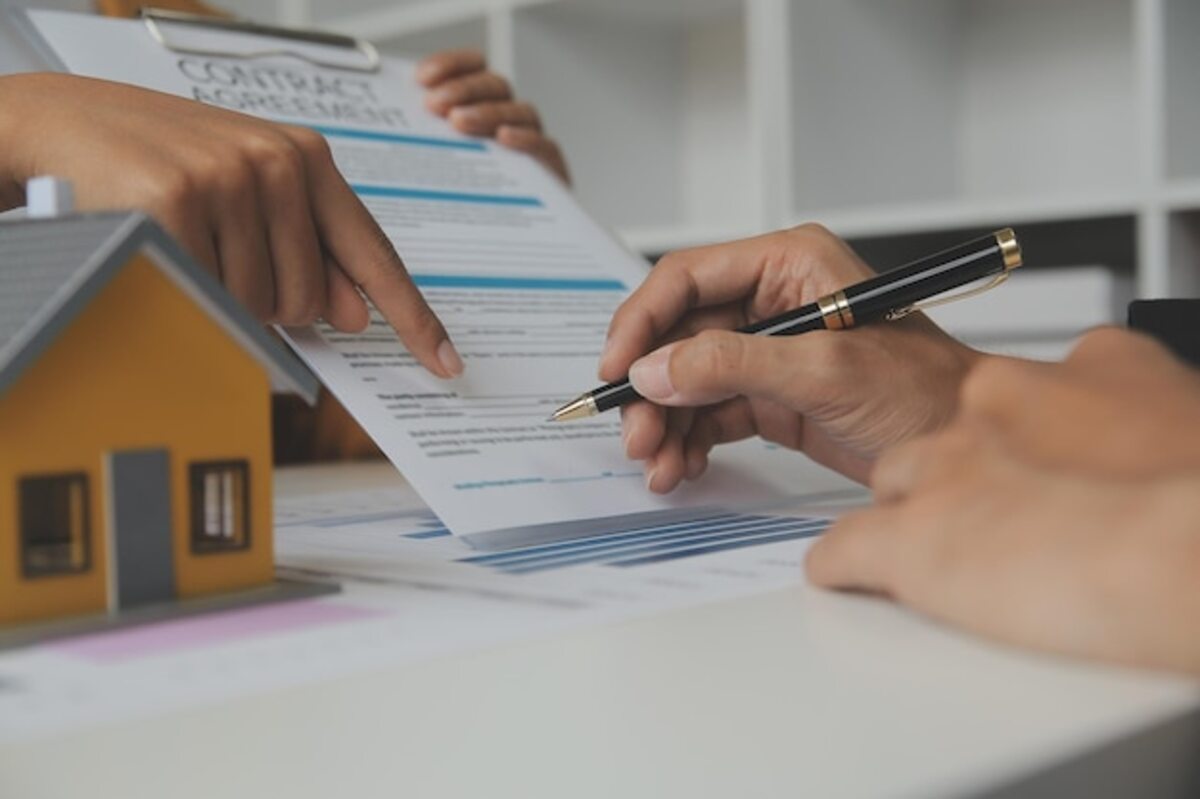
Securing your real estate purchase is a crucial step that you cannot overlook. With the right strategies to verify documents, you will protect your investment and avoid unpleasant surprises. In this article, we will guide you through the most important legal aspects you should consider before signing any contract. From title review to permit validation, every detail matters to ensure a safe and smooth transaction in the exciting process of acquiring your new home in Costa Rica.
The Importance of Verifying Real Estate Documents
The purchase of a property is one of the most significant decisions in anyone's life, and verifying real estate documents is a fundamental step to ensure that this investment is secure. The importance of this process lies in the need to confirm that the seller has the legal right to sell the property and that there are no liens, mortgages, or legal conflicts associated with it. Ignoring this review can lead to complicated situations, such as legal disputes or unexpected financial losses, which underscores the relevance of due diligence before formalizing any transaction. Furthermore, the verification of real estate documents is not limited to reviewing the property title; it also involves ensuring that all permits and licenses are in order. This includes checking whether the land use is compatible with your plans for the property and whether local regulations have been met. A thorough review will allow you to have clarity about the conditions of the property and its surroundings, thus ensuring that your purchase is not only legally valid but also suitable for your needs and expectations. Remember that being well-informed is key to avoiding unpleasant surprises on your path to becoming a homeowner.
Advertisements
Main Documents You Should Review
When securing your real estate purchase, it is essential to review the key documents that support the legality and validity of the property. One of the most important is the title deed, which must be properly registered and free of liens or mortgages. Verify that the seller is the legitimate owner and that there are no legal disputes related to the property, as any irregularity could lead to future problems. Request a certificate of freedom from liens to ensure that there are no debts associated with it.
In addition to the title, it is vital to review the relevant permits and licenses granted by local authorities. This includes verifying whether the construction has the corresponding municipal permit and whether all current urban regulations are being met. The absence of these documents can result in fines or even the demolition of the property. By having all these elements clear, you will be able to make an informed and secure decision about your investment, thus ensuring a trouble-free purchasing process.
How to Identify Valid Property Titles
Identifying valid property titles is essential to ensure that your real estate investment is protected. A valid property title must contain clear and accurate information, including the name of the current owner, the description of the property, and the history of the property. It is crucial to verify that the title is properly registered in the corresponding public registry, which guarantees its authenticity. When reviewing these documents, you should also be attentive to any liens or mortgages that may affect the transaction. A clean and clear title will provide you with the necessary peace of mind to proceed with the purchase.
In addition to checking the mentioned details, it is advisable to request a certificate of freedom from encumbrances. This document will provide you with a more comprehensive view of the legal status of the property and confirm whether there are financial liens or restrictions on its use. It is also helpful to consult with a lawyer specialized in real estate who can assist you in interpreting the legal documents and ensure that everything is in order before making any financial commitments. Conducting these verifications not only protects your investment but also allows you to make informed decisions when acquiring your new home.
The Function of the National Registry in Legal Verification
The function of the National Registry is fundamental in the legal verification of real estate documents, as it acts as the entity responsible for maintaining a public record of all properties and their respective rights. Through this registry, buyers can obtain clear and accurate information about the legal status of a property, including its ownership, encumbrances, and any limitations that could affect its use or future sale. Verifying this information in the National Registry allows buyers to ensure that there are no hidden surprises that could compromise their investment or lead to legal conflicts later on.
Additionally, the National Registry provides an extra layer of security by ensuring the authenticity of the documents submitted for the purchase. By verifying that all documents are properly registered and updated in the registry, the risks associated with fraud or disputes over ownership are minimized. This step is crucial before formalizing any contract, as a transaction backed by a clear registry not only protects the buyer but also ensures a smoother and safer process in the transfer of real estate. In summary, the National Registry is an indispensable tool for those looking to make an informed and hassle-free purchase in the real estate market.
Legal Aspects of Mortgages and Liens
Legal aspects related to mortgages and liens are fundamental in the property buying process. Before signing any contract, it is essential to verify whether the property you wish to acquire is free of debts or encumbrances that may affect your investment. A mortgage is a real right that grants a creditor the ability to claim an asset in case of default by the debtor. Therefore, if the property has a registered mortgage, you will need to ensure that it is canceled before or at the time of formalizing the purchase. A lawyer specialized in real estate law can help you review these documents and clarify any doubts about the legal status of the property.
In addition to mortgages, liens are another important concern to consider. A lien can be a legal burden on a property due to unpaid debts or unmet obligations, and it can limit your rights as a property owner. It is crucial to conduct a thorough search in the National Registry to identify any existing liens before proceeding with the purchase. This way, you will avoid future surprises that could jeopardize your investment and ensure that the transaction is completely transparent. Remember that having a professional team will allow you to navigate these complex legal aspects and thus secure a successful and hassle-free acquisition.
Building Permits: What You Need to Know
Building permits are a fundamental aspect that you cannot ignore when acquiring a property. These documents, issued by local authorities, certify that any work carried out on the property complies with current building codes and zoning regulations. Ensuring that the property has all the necessary permits will protect you from potential legal issues in the future, such as fines or the obligation to demolish illegal constructions. Therefore, it is essential to request copies of these permits and verify their validity before proceeding with the purchase.
In addition to confirming the existence of permits, it is advisable to investigate if there are any infractions or violations associated with them. This may include reviewing architectural plans and comparing them with the current construction to detect discrepancies. In some cases, a property may have been modified without the corresponding authorizations, which could lead to complications later on. Therefore, taking time for this verification will allow you to make informed decisions and ensure that your new home is not only a welcoming place but also safe and legally compliant.
Consult with a Real Estate Attorney
Consulting with a real estate lawyer is one of the most effective strategies to ensure your purchase. An experienced professional will not only help you understand the complexity of legal documents but will also be able to identify problematic clauses or hidden risks that you might overlook. With their guidance, you can have the peace of mind knowing that every aspect of the transaction is in compliance with the law and that your investment is protected against any eventuality. Their knowledge of local regulations and specific real estate sector norms is invaluable to ensure that everything is in order.
Additionally, a specialized lawyer can facilitate the negotiation process by acting as an intermediary between the parties involved. This not only reduces the stress associated with the purchase but also ensures clear and effective communication. From contract review to closing the sale, their support is essential for resolving any disputes or misunderstandings that may arise. Ultimately, investing in legal advice is a wise decision that can save you time and money in the long run, transforming what could be a complicated process into a much more rewarding and secure experience.
Digital Tools for Document Verification
In the digital age, tools for document verification have revolutionized the way we approach property buying. Online platforms and specialized applications allow buyers to access crucial information about the legal status of any property. From databases that provide details about property records to services that validate the authenticity of documents, these tools are essential for making an informed purchase. By using these technologies, you can verify whether a title is free of liens or if there are pending litigations, which will give you greater peace of mind during the process.
Additionally, many of these digital tools come with extra features that facilitate comparative market analysis and provide you with detailed reports on the property's history. This includes changes in ownership, previous transactions, and even estimated valuations based on current real estate market trends. By integrating these digital resources into your document verification strategy, you not only save time and effort but also enhance your ability to make informed decisions when investing in your new home. This way, you ensure a more secure and transparent transaction at every step of the way.
Common Cases of Real Estate Fraud and How to Avoid Them
Real estate fraud can manifest in various forms, and knowing the most common cases is essential to protect your investment. One of the most frequent frauds is the sale of properties that have already been foreclosed or that have legal encumbrances without the buyer's knowledge. To avoid falling into this trap, it is crucial to conduct a thorough verification of the property's history, consulting public records and ensuring that the seller is the legitimate owner. Additionally, always check for any liens or outstanding mortgages that may affect your future acquisition.
Another common case of fraud is the presentation of falsified documents, such as property titles or personal identifications. Scammers may use manipulated documents to make it seem as though they own the property in question. To avoid this type of deception, make sure to verify the authenticity of all documents with the relevant authorities and consider hiring a lawyer specialized in real estate. This way, you can have the necessary peace of mind when closing the deal and enjoy the process without unnecessary worries.
Final Steps Before Making Your Real Estate Purchase
Before taking the final step and making your real estate purchase, it is essential to carry out a series of final steps that ensure the integrity of your investment. First, make sure to review all documents related to the property, including the title deed, previous deeds, and any liens or encumbrances that may affect the transaction. A thorough review will allow you to identify potential inconsistencies or legal issues that may arise after closing the purchase. Additionally, do not underestimate the importance of verifying that the seller has the legal authority to sell the property, which may include checking their identity and ensuring that there are no family conflicts that could complicate the sale.
Another key aspect in these final steps is to conduct a detailed inspection of the property. This not only includes evaluating its physical and structural condition but also confirming that basic services such as water, electricity, and sanitation are in order. Hiring a professional for this task can save you future inconveniences and unexpected expenses. Finally, make sure to have adequate legal advice before signing any documents; a lawyer specialized in real estate can provide you with valuable insights on important clauses to consider in the contract. By following these final steps with attention and care, you can proceed confidently towards the acquisition of your new home.
Advertisements
More in Legal Verification

Buying Process, Legal Verification
Fundamental Aspects to Ensure Your Real Estate Purchase
Buying Process, Legal Verification
Legal Aspects That Boost Your Confidence When Buying Properties
Buying Process, Legal Verification
Fundamentals to Validate the Legality of Your Home Purchase

Buying Process, Legal Verification
Secure Your Purchase with a Thorough and Reliable Legal Analysis
Most viewed in Buying Process
Buying Process, Legal Verification
Fundamental Aspects to Ensure Your Real Estate Purchase
Buying Process, Legal Verification
Legal Aspects That Boost Your Confidence When Buying Properties

Buying Process, Advice
Tips for choosing the ideal property without complications

Buying Process, Common Mistakes
Mistakes That Can Frustrate Your Purchase in La Fortuna