
How to ensure that your home purchase is a safe investment
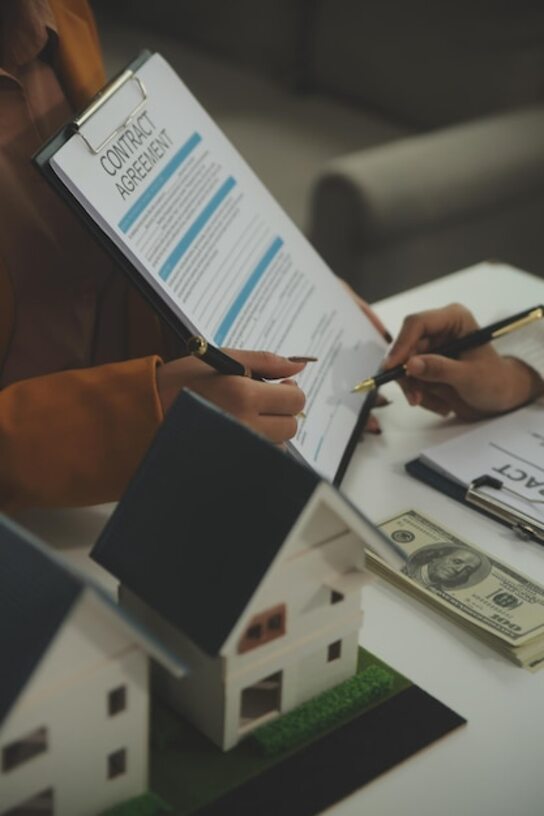
Ensuring that your home purchase is a safe investment is essential to avoid unpleasant surprises in the future. In this article, we will guide you through the essential procedures you should consider when acquiring a property in Costa Rica. From market research to the review of legal documents, every step matters to ensure that your new home is not only a residence but also a smart financial decision. Get ready to become an informed and confident buyer!
The importance of researching the real estate market
Researching the real estate market is a crucial step that every buyer must take before purchasing a home. This activity will not only allow you to understand current price trends but also to identify the most sought-after areas and the factors that influence property valuation. By doing so, you can compare different options and make informed decisions that align with your needs and financial expectations. Additionally, being aware of supply and demand in the desired area can provide you with competitive advantages when negotiating the price or finding opportunities below market value.
Another important aspect of real estate market research is understanding the economic and social context of the area where you plan to buy. Factors such as urban development, nearby infrastructure (like schools, hospitals, and public transportation), as well as neighborhood safety can directly impact your quality of life and the potential appreciation of the property in the long term. Investing time in researching these elements will help you determine if you are making a smart purchase, ensuring that your new home is not only a family refuge but also a solid investment for your financial future.
Advertisements
Necessary documentation before purchasing
Before purchasing a property, it is crucial to gather all the necessary documentation to ensure that your investment is secure and free of legal issues. Start by requesting a certificate of freedom from liens, which will allow you to verify if the property has any encumbrances or outstanding debts. This document is essential, as a lien could complicate your acquisition and affect your property in the future. It is also advisable to review the property's deed and the cadastral plan, where you can check the exact location and dimensions of the land, avoiding surprises later on.
Also, do not forget to request the documents related to the seller's legal status. Make sure that the person selling you the property has full legal capacity to do so; this includes verifying their identification and marital status. If it is a company, request the documents that prove its legal existence and its authorized representatives. These steps are essential to prevent future disputes over the property and to ensure that you are dealing with legitimate owners. Having all these documents in order before closing any deal will provide you with peace of mind and support in your purchasing decision.
How to choose a reliable real estate agent
When choosing a reliable real estate agent, it is crucial to start by researching their track record and reputation in the market. Look for recommendations from friends, family, or colleagues who have had positive experiences with specific agents. Online reviews can also be a good source of information; check specialized websites and social media for a broader perspective on the agent's professionalism and reliability. A well-established agent will not only have a strong sales history but also valuable connections in the industry that can facilitate the entire buying process.
Once you have a short list of potential agents, schedule personal interviews to get to know them better. During these meetings, pay attention to their level of knowledge about the local market and their ability to listen to your needs and concerns. A good agent should be able to provide you with clear and honest information, as well as advise you on properties that fit your budget and expectations. Don't hesitate to ask about their approach to negotiation and how they handle any conflicts that may arise during the transaction; this will give you a clearer idea of their professional style and whether it aligns with yours.
Technical inspection: why is it essential?
The technical inspection of a property is a crucial step in the purchasing process, as it allows for the identification of potential structural or maintenance issues that may not be immediately apparent. Hiring a professional to conduct this evaluation can save you a considerable amount of money and time on future repairs. Additionally, early detection of issues such as leaks, electrical problems, or damage to the infrastructure can influence the final price of the home, giving you the opportunity to negotiate with the seller before finalizing the deal. This way, you ensure that your investment is protected from the very beginning.
Another important aspect to consider is that a technical inspection not only reveals hidden problems but also provides valuable information about the overall maintenance of the property and its suitability for your needs. A detailed report will allow you to plan necessary improvements and repairs, ensuring that your new home remains in optimal condition over time. By having clarity about the actual state of the property, you will be able to make more informed decisions and avoid unpleasant surprises after the purchase. Ultimately, conducting a technical inspection is a smart strategy to ensure that your acquisition is truly safe and satisfactory.
The keys to understanding the sales contract
Understanding the purchase agreement is crucial to protect your investment and ensure that all the conditions agreed upon between you and the seller are clearly established. This legal document not only details the price and payment method but also includes vital information about the property, such as its physical condition, land use rights, and any encumbrances or liens associated with it. It is essential to read it carefully and, if necessary, consult with a lawyer specialized in real estate law to clear up doubts and avoid future surprises. Additionally, pay attention to the clauses that may be included in the contract, such as the warranties offered by the seller or the conditions under which you can withdraw from the purchase. Ensure that everything promised verbally is reflected in this document; any omission could lead to future problems and even financial losses. Remember that a well-drafted contract will not only protect your interests as a buyer but also facilitate a smoother transition to your new home.
Finally, it is advisable to verify that all relevant documents are attached to the contract, such as the previous property deed and proof of payments for taxes or utilities associated with the property. This will give you greater certainty about the legal status of the property and allow you to make informed decisions before closing the transaction. Clarity in the contract not only establishes a solid foundation for your purchase but also provides peace of mind knowing that you are making a safe and responsible choice on your path to homeownership.
Verification of liens and encumbrances on the property
The verification of liens and encumbrances on the property is a crucial step to ensure that your home purchase is truly a secure investment. Before signing any contract, it is essential to investigate whether there are any debts, liens, or any type of encumbrance that could affect the property. In many cases, these obligations may not be obvious at first glance, so conducting a thorough search in the public records will allow you to understand the legal situation of the property. The goal is to avoid unpleasant surprises that could translate into unexpected expenses or, worse yet, the loss of the acquired asset. In addition to checking financial liens, it is also important to review whether there are legal restrictions on the use of the land or easements that may limit your future plans for the property. For example, some properties may be subject to specific regulations due to being located in protected areas or having special characteristics. Ensuring that there are no hidden encumbrances will guarantee not only your peace of mind when moving in but also the long-term value of your investment. Remember that having a lawyer specialized in real estate can facilitate this process and provide you with greater legal security when acquiring your new home.
What to do if you encounter legal issues?
If upon reviewing the documentation of your future home you find legal issues, it is crucial to act quickly and decisively. First, identify the nature of the problem: it could be a property dispute, an unresolved mortgage, or even disputes over land boundaries. Once you have a clear understanding of the type of issue, the best course of action is to consult a lawyer specialized in real estate. This professional can provide you with guidance on how to proceed and help you understand the legal implications that could affect your purchase.
Furthermore, it is important not to ignore legal issues or make hasty decisions. Sometimes, resolving a dispute may require time and effort, but addressing it from the beginning will save you future complications. If the issue seems insurmountable, consider whether it is better to look for another property to avoid getting caught in a complicated legal process. Remember that ensuring a safe investment also means being willing to take a step back if circumstances require it; this way you will protect both your assets and your peace of mind.
Financing options and their impact on investment
When considering buying a home, financing options play a crucial role in the overall impact of your investment. There are various alternatives, from traditional mortgages to government programs that offer preferential rates or subsidies. Each option has its own advantages and disadvantages that can influence the total cost of your property. For example, a fixed-rate mortgage can provide stability in monthly payments, while a variable rate might offer lower initial interest but carries risks if interest rates rise in the future. Evaluating these alternatives is essential to ensure that you are making the decision that best suits your financial needs.
In addition to the type of financing chosen, it is essential to consider how the loan duration and the initial payment amount affect your long-term investment. A larger down payment can significantly reduce your monthly obligations and the total interest paid over the life of the loan. On the other hand, a shorter term may seem attractive due to the lower accumulated interest, but it also involves higher monthly payments that can impact your household budget. Weighing these variables will give you a clearer view of how each choice will shape not only your ability to acquire the desired home but also its profitability as an investment in the future.
How to assess the appreciation of the chosen property
To assess the added value of a property, it is essential to consider various factors that influence the long-term value of the property. One of the most relevant aspects is the location; areas with access to basic services, public transportation, educational institutions, and commercial centers tend to experience an increase in their value. Conducting research on the future development of the area can provide valuable information: infrastructure projects or urban improvements may indicate a potential appreciation of the property. It is also advisable to observe the price history in the area and how it has behaved in recent years, as this can offer a clear projection of future trends.
Another key factor in evaluating the appreciation of a property is its physical condition and overall appeal. Well-maintained properties with modern features tend to perform better in the market. Considering aspects such as the quality of materials, space layout, and additional amenities can make a significant difference in long-term value. Additionally, do not forget to review local regulations related to future developments; areas where improvements or expansions are anticipated could significantly increase their appreciation. By taking all these elements into account, you can ensure that your purchase is not only a comfortable home but also a solid investment for the future.
Final steps: deed and property registration
The notarization and registration of the property are crucial steps in the process of buying a home. Once you have reached an agreement with the seller and secured the necessary financing, it is essential to formalize the transaction through a public deed. This legal document not only certifies the transfer of ownership but also details all the conditions agreed upon by both parties. It is advisable to have a lawyer specialized in real estate to assist you during this process, ensuring that all terms are clear and fair.
After signing the deed, the next step is to proceed with the property registration at the National Registry. This procedure is essential, as it secures your rights over the property against third parties and officially establishes your name as the new owner. Make sure to have all the necessary documentation, such as identification card, payment receipts, and property information. By completing these final steps, you will be able to enjoy your new home peacefully, knowing that you have taken all the necessary precautions to protect your investment.
Advertisements
More in Procedures

Buying Process, Procedures
Guide to ensuring transparency in your home purchase

Buying Process, Procedures
Essential to secure your investment in home buying

Buying Process, Procedures
Tips to strengthen your confidence in your home purchase.

Buying Process, Procedures
Keys to ensure a reliable investment in your new home
Most viewed in Buying Process

Buying Process, Legal Verification
Fundamental Aspects to Ensure Your Real Estate Purchase
Buying Process, Legal Verification
Legal Aspects That Boost Your Confidence When Buying Properties

Buying Process, Advice
Tips for choosing the ideal property without complications

Buying Process, Common Mistakes
Mistakes That Can Frustrate Your Purchase in La Fortuna