
Secure your investment by learning how to evaluate properties in Costa Rica.
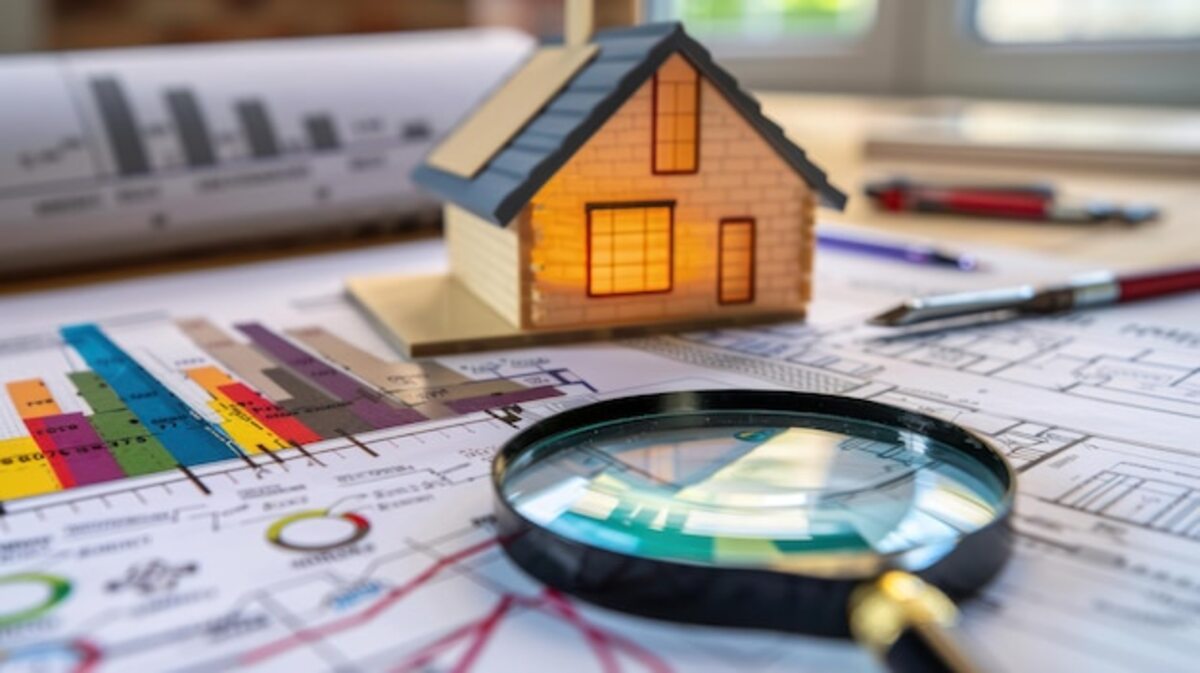
Secure your investment by learning how to evaluate properties in Costa Rica. This country, with its impressive biodiversity and enviable quality of life, presents itself as an ideal destination for those looking to acquire a property. However, the buying process can be complex if you don't have the right tools. In this article, we will teach you how to conduct an effective property evaluation, ensuring that your investment is smart and safe. Get ready to discover the secrets that will transform your real estate experience!
Importance of property evaluation in Costa Rica
Property evaluation in Costa Rica is a crucial step for any buyer looking to make a safe and profitable investment. This country, known for its natural beauty and political stability, attracts both local and international investors. However, the diversity of its real estate market can be overwhelming. A proper evaluation allows buyers to identify real opportunities and avoid unnecessary risks, ensuring that every colón invested translates into real long-term value. Understanding the potential for property appreciation or the conditions of the surrounding environment can make the difference between a successful purchase and a significant loss.
Furthermore, the importance of evaluating properties lies in the need to understand the socioeconomic context of the area where one wishes to acquire. Costa Rica presents zones with different levels of development, access to basic services, and quality of life. By conducting a thorough evaluation, buyers can analyze aspects such as local infrastructure, neighborhood safety, and projected growth of the region. This not only helps make informed decisions about what type of property to acquire but also provides a clear overview of how that property will fit into their future plans. In summary, properly evaluating properties is key to maximizing return on investment and fully enjoying the Costa Rican lifestyle.
Advertisements
Key factors when evaluating a property
When evaluating a property in Costa Rica, it is essential to consider several key factors that will influence your long-term investment. One of the most important aspects is the location. Properties located near beaches, national parks, or urban areas with good infrastructure tend to have a higher value and potential for appreciation. Additionally, proximity to essential services such as schools, hospitals, and supermarkets can affect both your quality of life and the future interest of other buyers or tenants. Researching urban development in the area will also allow you to anticipate changes that could positively impact the value of your property.
Another crucial factor is the physical condition of the property. Conducting a thorough inspection will help you identify potential structural issues or maintenance needs that could require additional investments in the future. Consider aspects such as the age of the property, the materials used in its construction, and the electrical and plumbing systems. Additionally, do not underestimate the importance of the surroundings; assessing whether there are disturbing noises, pollution, or any other environmental factors can be decisive for your personal satisfaction and for any future sale or rental. Knowing these elements will allow you to make informed decisions and minimize risks when acquiring a property in this beautiful country.
Valuation methods: comparative and income
When evaluating properties in Costa Rica, it is essential to use valuation methods that allow you to determine a fair and competitive price. Two of the most common approaches are the comparative method and the income method. The comparative method involves analyzing similar properties that have been sold recently in the same area, providing you with a clear reference for the current market value. This approach considers not only the physical characteristics of the property, such as size and location, but also factors like local market conditions and current price trends. By applying this method, you can make adjustments based on specific particularities of each property to arrive at a more accurate estimate.
On the other hand, the income method is particularly useful if you are evaluating a property for investment purposes, such as rentals or commercial real estate. This approach estimates the value based on the income generated by the property, considering factors such as the expected occupancy rate and operating expenses. To calculate it, formulas like the Capitalization Rate are used, which relates the annual net income to the expected purchase price. By understanding these methods and how to apply them effectively, you will be better prepared to conduct an objective and informed assessment that secures your investment in the vibrant Costa Rican real estate market.
How to research the legal history of a property
Researching the legal history of a property is a crucial step in the evaluation process. To start, it is advisable to access the National Registry of Costa Rica, where you can consult the information about the property. This registry provides essential data such as the name of the current owner, the existence of liens or mortgages, and whether there are pending litigations that may affect the purchase. Additionally, it is important to verify that the boundaries and the cadastral description match what is being offered, avoiding unpleasant surprises in the future.
Another aspect to consider is to check if the property has all the necessary permits for its construction and use. This includes environmental licenses and municipal permits that ensure the property complies with local regulations. You can also request a certification of no outstanding debts on public services to ensure there are no pending bills that could complicate your acquisition. Taking these steps will allow you to have a clear understanding of the legal status of the property and minimize risks in your investment in Costa Rica.
Environment assessment: services and accessibility
The evaluation of the environment in which a property is located is a crucial step to ensure a smart investment. In Costa Rica, accessibility to essential services such as hospitals, schools, supermarkets, and public transportation can significantly influence the quality of life of its residents and, consequently, the resale value of the property. When considering a purchase, be sure to investigate the proximity and quality of these services. A well-equipped neighborhood will not only attract potential tenants or buyers in the future but will also provide a more comfortable and safe environment for you and your family.
In addition to basic services, it is essential to assess the connectivity of the area. Check the main access routes and the available transportation options; this will not only affect your day-to-day life but will also play a key role in the appreciation of your property's value over time. Areas with good road infrastructure tend to be more attractive to buyers and investors. Therefore, when conducting your analysis of the surroundings, consider elements such as local traffic and future urban development plans that may positively or negatively impact the area. With this information at hand, you will be better prepared to make informed decisions about your investment in this beautiful Central American country.
Considerations on the geographical location
When evaluating properties in Costa Rica, the geographical location plays a crucial role in determining the value and potential appreciation of an investment. Coastal regions, for example, often attract tourists and buyers interested in seaside living, which can lead to a significant increase in property value over time. On the other hand, more inland areas may offer tranquility and a connection to nature, ideal for those looking to escape the urban hustle. It is essential to research the specific characteristics of each area, such as its accessibility, nearby amenities, and trends in the local real estate market.
Additionally, it is important to consider environmental and climatic factors that may influence your decision. Some areas may be more exposed to natural phenomena such as floods or landslides, while others have a temperate climate that promotes a better quality of life. By analyzing these geographic aspects, you will not only protect your initial investment but also ensure a pleasant environment to live in or rent out in the future. Therefore, take the necessary time to visit different locations and understand their particularities; this will allow you to make more informed decisions aligned with your long-term goals.
Physical inspections: what to look for when visiting the property
When visiting a property in Costa Rica, conducting physical inspections is crucial to ensure that your investment is sound. Start by examining the overall condition of the structure, paying attention to possible signs of moisture or leaks, especially in areas like basements and roofs. Cracked walls or uneven floors may indicate structural problems that could be costly in the long run. Don't forget to check the electrical and plumbing systems; make sure everything is functioning properly and that there are no potential risks that could compromise your safety or the home's functionality.
In addition to what has been mentioned, it is essential to evaluate the immediate surroundings of the property. Observe the quality of access roads and the proximity to essential services such as supermarkets, hospitals, and schools. Location plays a crucial role in the future appreciation of the property, so consider whether the neighborhood has development plans or urban improvements. It is also advisable to talk to the neighbors to gain insight into the community and any relevant aspects that may affect your experience as a homeowner. By paying attention to these details during your inspections, you will be better prepared to make an informed decision and avoid unpleasant surprises in the future.
The role of the professional appraiser in the purchase
The role of the professional appraiser in property purchases is essential to ensure that your investment is solid and justified. An appraiser not only provides a monetary value to the property but also assesses its physical condition, location, and specific features that may influence its price. With a detailed appraisal report, buyers gain a clear insight into whether the asking price from the seller is reasonable or if there is room for negotiation. This becomes especially important in a competitive market like Costa Rica, where fluctuations can be significant. Additionally, the professional appraiser acts as an impartial intermediary in the buying process. Their expertise and knowledge of the local market allow them to identify potential hidden issues that could affect the future value of the property. For example, aspects related to zoning, land quality, or even environmental factors that may influence long-term habitability are meticulously evaluated by a qualified appraiser. In summary, investing in a professional appraisal not only gives you confidence when making an offer but also protects your long-term interests by ensuring that your purchase is truly valuable within the dynamic Costa Rican real estate landscape.
Common mistakes when evaluating properties and how to avoid them
When evaluating properties in Costa Rica, it's easy to fall into common mistakes that can cost time and money. One of the most frequent is not conducting a proper inspection of the property. Many people are swayed by the exterior appearance and forget to examine crucial aspects such as the condition of electrical systems, plumbing, or potential structural issues. To avoid this, it is essential to hire a professional inspector who can provide a detailed and objective analysis of the actual condition of the property. Another common mistake is ignoring the legal and regulatory context of the land. In Costa Rica, regulations regarding land use, zoning, and property rights can vary significantly between regions. Many buyers assume that any property can be used for any purpose without confirming these legal restrictions. To prevent unpleasant surprises, it is advisable to conduct thorough research on local regulations and consult with a real estate attorney before making final decisions. This way, your investment will be backed by a solid understanding of the regulatory environment surrounding the property.
Practical tips for negotiating the price after the evaluation
Negotiating the price of a property can be one of the most challenging aspects of the buying process, but having a solid appraisal gives you a significant advantage. Before starting the negotiation, make sure you are clear on all the factors that determine the property's value, such as its location, physical condition, and comparisons with recent sales in the area. By presenting your findings during discussions with the seller or their agent, you will be able to effectively argue why you believe the price should be adjusted. Preparation is key; the more information you have to support your proposal, the more persuasive you will be.
In addition to having concrete data on hand, it is essential to maintain a flexible and open attitude during the negotiation. Listening to the seller and understanding their reasons for setting a particular price can offer you unexpected opportunities to reach a mutually beneficial agreement. Do not hesitate to explore creative alternatives, such as offering a larger down payment in exchange for a discount on the total price or requesting that certain furniture or necessary repairs be included in the agreement. The ability to adapt and find mutually satisfactory solutions can make the difference between closing a successful deal or losing a valuable opportunity in this competitive Costa Rican real estate market.
Advertisements
More in Procedures
Buying Process, Procedures
Guide to ensuring transparency in your home purchase

Buying Process, Procedures
Essential to secure your investment in home buying

Buying Process, Procedures
Tips to strengthen your confidence in your home purchase.

Buying Process, Procedures
Keys to ensure a reliable investment in your new home
Most viewed in Buying Process

Buying Process, Legal Verification
Fundamental Aspects to Ensure Your Real Estate Purchase

Buying Process, Legal Verification
Legal Aspects That Boost Your Confidence When Buying Properties
Buying Process, Advice
Tips for choosing the ideal property without complications

Buying Process, Common Mistakes
Mistakes That Can Frustrate Your Purchase in La Fortuna