
Tips for clarity in your ideal home purchase
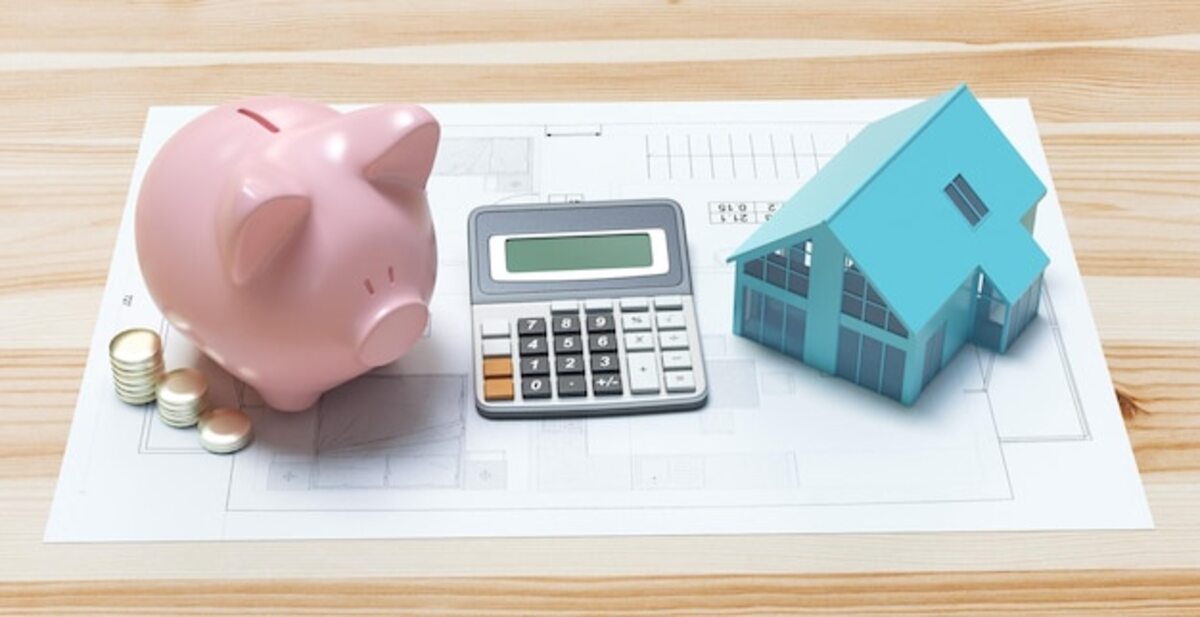
Are you on the exciting quest for your ideal home? Buying a house is a monumental step that can be overwhelming if you don't know where to start. In this article, we will share practical and effective tips to bring clarity to each stage of the buying process. From understanding the legal procedures to choosing the right financing, our guide will help you make informed and confident decisions. Get ready to take that big step toward your new home!
Defining your needs and wants: What are you really looking for?
Defining your needs and wants is the first crucial step in the search for your ideal home. Before you start visiting properties, take some time to reflect on what you really want. Do you need a house with multiple bedrooms for your growing family, or would you prefer a smaller, easier-to-maintain apartment? Also consider aspects such as location: do you want to be close to work, schools, or recreational areas? Making a list of your priorities will help you stay focused and avoid distractions during the process.
In addition to basic needs, it is important to consider your personal desires. These are the elements that may not be essential but would add value to your daily life. Perhaps you dream of a large garden where your children can play, or maybe you long for a modern kitchen to experiment with new recipes. Having clarity about these desires will enable you to better visualize your future home and make choices that align with your lifestyle. By balancing both the necessary and the desired, you will be better prepared to make informed decisions that will make your purchase truly satisfying.
Advertisements
Budget: How to calculate your financial capacity.
Calculating your financial capacity is a crucial step in the search for your ideal home. Before you start visiting properties, it is vital that you have a clear idea of how much you can afford to spend without compromising your economic stability. To do this, start by analyzing your monthly income and subtracting your fixed expenses, such as utilities, food, and existing debts. This exercise will provide you with an approximate figure that you can allocate to mortgage payments and other costs related to buying a house. Additionally, do not forget to consider savings for the down payment and additional expenses such as taxes, insurance, and maintenance.
Once you have a clear understanding of your available monthly budget, it is advisable to use financial tools such as mortgage calculators that will help you determine how much you could afford to pay for a property depending on the loan amount and interest rate. It is also important to contact a financial advisor or a real estate agent who can provide you with additional information about the options available in the market. By having a well-defined financial picture, you will be in a better position to make informed decisions and avoid unpleasant surprises during the purchasing process.
Financing options: Types of mortgage loans available.
When acquiring your ideal home, it is essential to consider the available financing options that fit your needs and financial capabilities. There are various types of mortgage loans, each with different characteristics that can influence your decision. For example, fixed-rate loans allow you to maintain a constant interest rate throughout the life of the loan, which makes financial planning easier. On the other hand, variable-rate loans may offer lower rates initially, although they are subject to changes over time, which can be a risk in the event of economic fluctuations.
In addition to the traditional credits offered by banks and financial institutions, you can also explore government programs or credit unions that provide special conditions for certain groups, such as first-time buyers or low-income families. These programs often include preferential rates and subsidies that can make it easier to purchase your home. Before making a decision, it is advisable to compare different options and evaluate not only the interest rates but also the loan term and any additional charges associated with it. This way, you can choose the financing that best fits your financial situation and brings you closer to that dream come true: your new home.
Market research: Knowing the most promising areas.
Market research is a crucial step in the home buying process, as it allows you to identify the most promising areas that align with your needs and lifestyle. When analyzing different neighborhoods, consider factors such as the quality of schools, proximity to essential services like supermarkets and hospitals, as well as public transportation options. It is also helpful to research the planned urban development in the area; areas that are receiving investments may experience significant long-term value growth, which is a great advantage if you decide to sell or rent in the future.
Also, do not underestimate the importance of the community environment. Research the safety of the area and if there are social or cultural activities that foster a sense of belonging among residents. Talking to neighbors can provide you with valuable insight into the day-to-day life of the neighborhood and its potential to meet your expectations. Also, remember to consider your budget; some areas may be more affordable but still offer a good quality of life. In summary, taking the time to research the market will allow you to make more informed decisions and find your ideal home in a place that you truly feel is home.
Required documentation: Prepare for the legal procedures.
To carry out the purchase of a home, it is essential to have the necessary documentation that supports each step of the process. From the beginning, you should gather documents such as your official identification, proof of income, and bank statements. These documents are not only essential to demonstrate your financial capacity, but they will also be required by financial institutions if you choose to apply for a mortgage. Having everything in order will allow you to proceed more smoothly with the procedures and avoid unnecessary delays.
In addition to personal and financial documents, it is crucial that you become familiar with the specific documentation related to the property you wish to acquire. This includes the property deed, the certificate of freedom from encumbrance, and any documents related to adjacent properties or restrictions that may exist. Do not hesitate to seek legal advice if you feel that any aspect is confusing; a good lawyer can help you review these documents to ensure that everything is in order and to avoid surprises in the future. Having clarity about this documentation not only facilitates the process but also provides peace of mind knowing that you are making informed decisions when buying your ideal home.
The importance of mortgage pre-approval.
Mortgage pre-approval is a crucial step in the home buying process that should not be overlooked. Obtaining this pre-approval allows you to clearly understand how much money you can allocate to the purchase of your home, making the search easier and helping you establish a realistic budget. Additionally, having a pre-approval letter in hand demonstrates to sellers that you are a serious and prepared buyer, which can give you an advantage in competitive situations where there are multiple offers on the same property.
Another important aspect of pre-approval is that it gives you the opportunity to identify and resolve potential financial issues before you start your active search. For example, if you find that your credit score needs improvement or that there are inconsistencies in your financial history, you will have time to address these issues before making an offer on a house. In summary, mortgage credit pre-approval not only provides you with clarity about your financial capabilities but also strengthens your position as a buyer in the real estate market.
Inspection and appraisal: Ensure the quality of your future home.
When acquiring a home, inspection and appraisal are fundamental steps that you should not overlook. A thorough inspection conducted by a professional will allow you to identify potential structural, plumbing, or electrical issues that could lead to costly repairs in the future. Additionally, this analysis will provide you with a clear view of the overall condition of the property, which is crucial for making informed decisions. On the other hand, the appraisal is equally important, as it establishes the real market value of the property. This not only ensures that you are not overpaying, but it can also influence the terms of your financing.
Conducting a proper inspection and appraisal gives you the peace of mind you need when taking this significant step. If issues arise during the inspection, you can renegotiate the price with the seller or even reconsider your purchase if the damages are too severe. On the other hand, having a fair valuation of the property empowers you in negotiations with banking entities when seeking financing. Remember that investing time and resources in these stages can save you unpleasant surprises and unforeseen expenses in the long run, thus ensuring the quality of your future home and protecting your investment.
Effective negotiations when making an offer.
When it comes time to make an offer on your ideal home, it is crucial to be prepared for effective negotiations. The key is to know the market and have clarity about what you are willing to offer and what your limits are. Research the prices of similar properties in the area and consider aspects such as how long the house has been on the market, its condition, and any potential interest from other buyers. This information will give you an advantage when presenting your offer, allowing you to negotiate confidently and substantiate your proposals.
Additionally, it is important to maintain open and cordial communication with the seller or their agent. A good relationship can facilitate negotiations and open opportunities for better terms. Do not hesitate to express your needs or concerns; this will not only show your genuine interest in the property, but it can also lead to a stronger mutual understanding. Remember that negotiating is not just about getting the best price, but also about creating a mutually beneficial agreement that allows you to acquire that space where you will build your dreams.
Closing the sale: Final steps to secure your property.
Once you have found the ideal home and negotiated a satisfactory price, it's time to close the sale. This process can be complex, but with good preparation, you can significantly ease it. First, make sure you have all the necessary documents in order, such as the property deed, the purchase agreement, and the inspection reports. Additionally, it is crucial to have a lawyer or real estate agent to guide you in reviewing these documents to avoid unpleasant surprises in the future. Remember that every detail matters; even small mistakes can delay the closing.
The next crucial step is to coordinate the necessary financing to complete the purchase. If you are using a mortgage, make sure to have a loan pre-approval before closing; this will not only give you confidence as a buyer but also the seller. Once everything is ready and the parties involved are satisfied, the closing date will be scheduled. At this time, the final documents will be signed and the agreed payment will be made. With everything in order and after meeting all legal and financial requirements, you will be ready to receive the keys to your new home!
Post-purchase: Tips to adjust to your new home.
Once you have completed the purchase of your ideal home, the process doesn't end there; in fact, it is just the beginning of a new stage. Adapting to your new home can be both exciting and challenging. It is essential to take some time to explore every corner of your house and familiarize yourself with its features. From the layout of the spaces to the functionality of the appliances, getting to know your home thoroughly will help you feel more comfortable and secure in it. Additionally, consider creating a cozy atmosphere by adding personal touches like family photos or decorations that reflect your style.
Another crucial aspect at this stage is to integrate the local community into your daily life. Research nearby services, such as supermarkets, schools, and medical centers, and don't hesitate to introduce yourself to your neighbors. Establishing meaningful connections can help you feel more rooted in your new environment. You might also participate in community activities or local groups to foster lasting relationships. Remember that adapting to a new home takes time; be patient with yourself as you find the perfect balance between enjoying your personal space and exploring what your new community has to offer.
Advertisements
More in Procedures

Buying Process, Procedures
Guide to ensuring transparency in your home purchase

Buying Process, Procedures
Essential to secure your investment in home buying

Buying Process, Procedures
Tips to strengthen your confidence in your home purchase.

Buying Process, Procedures
Keys to ensure a reliable investment in your new home
Most viewed in Buying Process

Buying Process, Legal Verification
Fundamental Aspects to Ensure Your Real Estate Purchase

Buying Process, Legal Verification
Legal Aspects That Boost Your Confidence When Buying Properties

Buying Process, Advice
Tips for choosing the ideal property without complications

Buying Process, Common Mistakes
Mistakes That Can Frustrate Your Purchase in La Fortuna