
Guide to ensuring a profitable and reliable home purchase
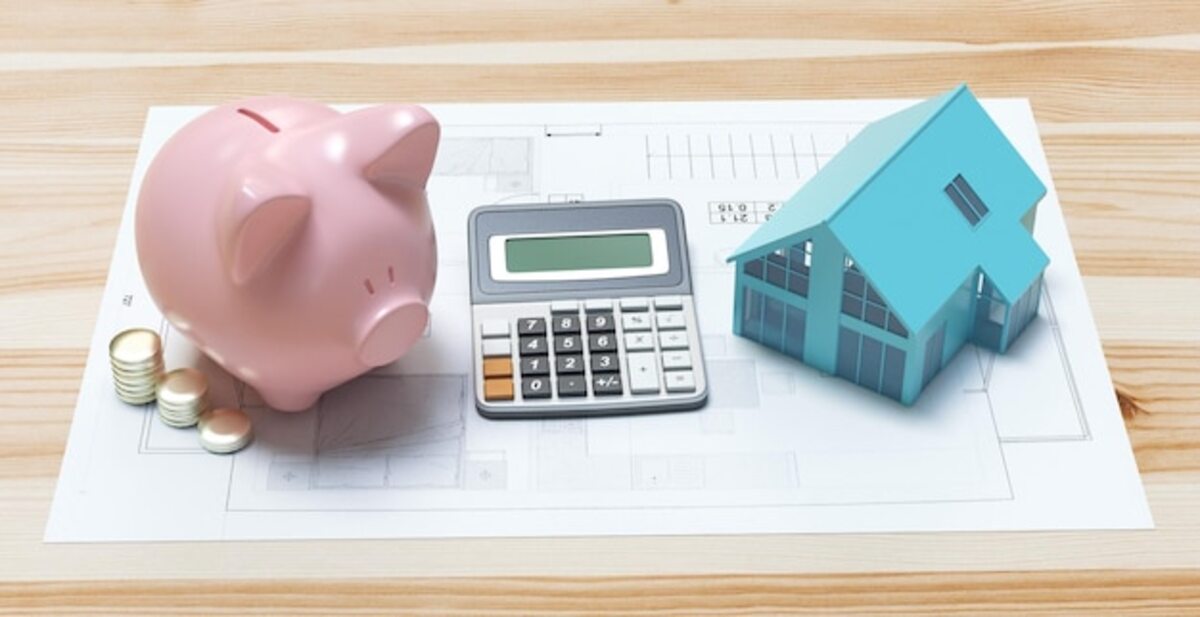
Are you ready to take the big step towards buying your ideal home? In this article, I will guide you through the essential aspects to ensure that your investment is not only profitable but also reliable. From financial planning to choosing the perfect location, every decision matters. Get ready to discover key strategies that will help you avoid unpleasant surprises and maximize the value of your purchase. Your dream home is closer than you think!
The importance of establishing a realistic budget
Establishing a realistic budget is the first essential step in the home buying process. Without a clear financial framework, it's easy to get carried away by the excitement of the moment and lose sight of economic limits. A well-defined budget not only helps you identify how much you can afford to spend, but also allows you to take into account all the costs associated with buying a home, from the sale price to additional expenses such as taxes, insurance, and maintenance. This will ensure that your investment is sustainable in the long term and will prevent you from facing unexpected financial difficulties.
Additionally, a realistic budget gives you the opportunity to compare different options and make informed decisions. By having clarity about your financial resources, you will be able to evaluate properties that fit your needs without compromising your economic stability. It is also crucial to consider possible fluctuations in interest rates or changes in the real estate market; thus, having a flexible margin can be decisive in taking advantage of opportunities that arise during your search. In summary, establishing a solid budget not only prepares you for the initial purchase but also lays the groundwork for a successful and stress-free financial experience.
Advertisements
Real Estate Market Assessment: When to Buy?
The evaluation of the real estate market is a critical step in the home buying process. Before making the decision to buy, it is essential to analyze current market trends, such as property prices in different areas and the supply and demand in the area you are interested in. A booming market may indicate that prices will continue to rise, which could be a good opportunity to invest. On the other hand, if the market is saturated or declining, you could face difficulties in reselling your property in the future. Using tools like market reports or consulting with real estate experts will allow you to have a clearer and more strategic view.
In addition to economic aspects, seasonal factors that can influence the purchasing decision must be considered. Historically, certain times of the year present better opportunities due to fluctuations in supply; for example, during off-seasons, it is possible to find more competitive prices and less competition among buyers. It is also essential to observe the overall economic cycle: periods of growth tend to correlate with rising prices. In contrast, during economic recessions, although the opportunities are greater, one must also be cautious of potential risks associated with unstable investments. Evaluating these elements will not only help you determine the right time to buy but also allow you to make a more informed and secure investment in your future home.
How to choose a strategic location for your investment
Choosing a strategic location for your investment is one of the most crucial steps in the home buying process. The location not only affects your quality of life but also directly influences the long-term value of the property. Consider factors such as proximity to essential services: schools, hospitals, supermarkets, and public transportation. A well-connected neighborhood with access to these amenities tends to be more attractive to both buyers and renters, which can translate into an increase in resale value and higher demand if you decide to rent.
It is also essential to research the real estate market trends in the area you are considering. Analyze population growth, crime rates, and future urban development plans. Areas that are experiencing sustained growth tend to offer better opportunities for capital appreciation. Do not underestimate the importance of visiting the locality at different times of the day and taking a tour of the neighborhood; this will give you a clearer idea of the environment and the community you will be choosing to settle in. A good location today can be key to securing your investment tomorrow.
Legal aspects to consider when buying a home
When approaching the purchase of a home, it is essential to consider the legal aspects that may influence your investment. One of the first steps is to verify the legal status of the property; this includes ensuring that the seller is indeed the owner and that the home has no liens or outstanding debts. Conducting a title search and reviewing the property's history will allow you to identify any legal issues that may complicate your purchase. It is also advisable to have the support of a lawyer specialized in real estate to guide you throughout the process.
Another important aspect to consider is the contracts involved in the transaction. Make sure to carefully read each clause of the purchase agreement, paying special attention to the conditions regarding payments, deadlines, and obligations of both the buyer and the seller. Additionally, inform yourself about local regulations that may affect your property, such as zoning regulations or tenant rights if you decide to rent it out in the future. Being well-informed and advised will help you avoid future legal conflicts and ensure a safe and reliable purchase.
Financing options: choosing what's best for you
When considering the purchase of a home, one of the most crucial steps is to evaluate the available financing options. From traditional mortgages to FHA loans and first-time buyer assistance programs, each alternative has its own advantages and disadvantages. It is essential to analyze not only the interest rate but also the loan term, closing costs, and down payment requirements. Taking the time to research these options will allow you to find a solution that fits your financial situation and long-term goals, ensuring that your investment is sustainable.
It is also advisable to consult with a financial advisor or a mortgage broker who can provide you with a clear perspective on which option may be the most beneficial for you. Do not forget to consider factors such as your job stability, current income, and any existing debt when making this decision. Remember that choosing the right financing will not only impact your monthly budget but also your ability to maintain the property in the future. Ultimately, this step can make the difference between fully enjoying your new home or facing unexpected financial difficulties.
Inspection and appraisal: ensuring quality in your purchase
The inspection and valuation of a property are fundamental steps in the home buying process. Before formalizing your decision, it is crucial that a qualified professional conducts a thorough inspection of the property. This procedure will not only allow you to identify potential structural issues, such as leaks or electrical damage, but it will also provide you with a clear perspective on the overall condition of the property. By knowing these details, you will be able to negotiate the price better or decide if it is worth continuing with the purchase. Remember that every detail matters and that what seems to be a small imperfection could turn into a significant expense in the future.
In addition to the inspection, it is essential to conduct an appropriate valuation of the property. This involves comparing prices with similar properties in the same area to ensure that you are making a fair investment. The valuation can help you determine if the price requested by the seller is reasonable or inflated. Having this information will empower you during negotiations and ensure that your purchase is truly a good opportunity. In summary, both the inspection and the valuation are essential tools to avoid unpleasant surprises and ensure that your dream home becomes a solid long-term investment.
Tips for negotiating the price and successfully closing the deal
Negotiating the price of a home can be an intimidating process, but with the right preparation, you can successfully close the deal. Before making an offer, research the real estate market in the area you are interested in. Knowing recent sale prices and the features of similar properties will give you a significant advantage when presenting your proposal. Don’t hesitate to point out any aspects that may justify a price reduction, such as necessary repairs or features that do not meet your expectations. The key is to present yourself as informed and confident, which can positively influence the seller's decision.
Once you have agreed on a preliminary price, make sure to establish a conducive environment for negotiation. Maintain open and honest communication with the seller; this not only facilitates dialogue but also creates a sense of mutual trust. During the final negotiations, consider including additional conditions that benefit both parties, such as flexible delivery timelines or contingencies for inspections. By reaching a satisfactory agreement for both sides and closing the deal with clarity on all terms and conditions, you will be taking a firm step towards acquiring your ideal home without surprises or setbacks.
Advertisements
More in Financial Planning

Finance and Planning, Financial Planning
Dollars or colones: where colón buyers face less competition

Finance and Planning, Financial Planning
Take Advantage of The Exuberance of La Fortuna to Invest Successfully
Finance and Planning, Financial Planning
Secure your real estate investment with a deep and clear analysis.
Finance and Planning, Financial Planning
Navigate the purchase of your home with security and financial confidence.
Most viewed in Finance and Planning

Finance and Planning, Mortgage Loans
Keys to negotiate better terms on your mortgage
Finance and Planning, Financial Planning
Dollars or colones: where colón buyers face less competition

Finance and Planning, Housing Costs
Where US$200,000 buys a house in Alajuela

Finance and Planning, Insurance
How to choose a home insurance that fits your budget