
Keys to a safe and financially sound home purchase
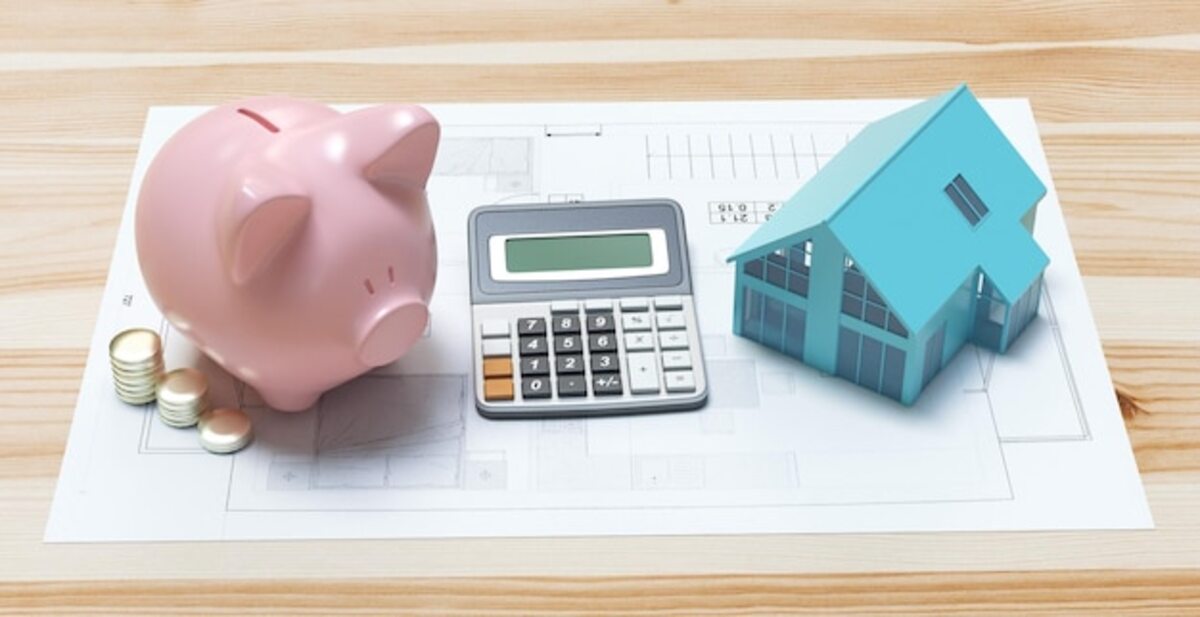
Buying a home is one of the most important decisions in anyone's life, and ensuring that it is safe and financially sound is essential. In this article, we will provide you with key fundamentals so that your investment not only aligns with your dreams but also respects your budget and guarantees a stable future. It doesn't matter if you are a first-time buyer or if you already have experience; here you will find practical advice and effective strategies to make a smart and smooth purchase.
Understand your financial capacity: how much can you really spend?
Understanding your financial capacity is the first crucial step in the home buying process. Before you venture out to look for properties, it is essential to assess your income, savings, and other financial commitments. This analysis will allow you to establish a realistic budget that takes into account not only the cost of the property but also additional expenses such as taxes, insurance, and maintenance. Remember that buying a home is not limited to the sale price; hidden costs can add up quickly if not considered from the start.
A good practice is to use tools like mortgage calculators to get a clearer idea of how much you can afford to spend monthly without compromising your financial stability. Additionally, it is advisable to consult with financial advisors or banks to explore different financing options that fit your economic situation. By having a solid understanding of your financial capacity, you will be able to confidently move forward in the search for your ideal home, avoiding unpleasant surprises and ensuring that your investment is truly sustainable in the long term.
Advertisements
Research the real estate market: trends and prices in your area
Researching the real estate market is a crucial step for any buyer looking to make a secure and financially sound investment. Start by familiarizing yourself with current trends in your area, as these can significantly influence property values in the long term. Pay attention to factors such as population growth, infrastructure development, and housing demand in different zones. Tools like market reports and local statistics will provide you with a clear insight into how the real estate sector is evolving in your region, helping you make informed decisions.
In addition to trends, it is essential to know the average prices of properties in different neighborhoods. This will not only allow you to set a realistic budget but also help you identify buying opportunities that could offer a good return on investment. Analyze properties similar to the one you wish to acquire and observe how much they are selling for. Also, consider factors such as supply and demand; if there are many properties available and few interested buyers, you may have room to negotiate a better price. In summary, thorough market research will empower you to make a stronger and more secure purchase.
Set a realistic budget: hidden expenses to consider
Establishing a realistic budget is essential to ensure that your home purchase does not become a financial burden. Often, buyers focus solely on the property price, forgetting that there are hidden costs that can significantly impact their finances. These costs include closing costs, which encompass legal fees, taxes, and insurance, as well as expenses related to moving and settling into the new home. It is also important to consider long-term maintenance costs, such as repairs and necessary improvements to keep the property in good condition.
In addition to immediate costs, it is crucial to consider other financial factors that may arise after the purchase. For example, increases in interest rates can raise your monthly payments if you have chosen a variable mortgage. Additionally, you should contemplate the impact of community or management fees if you purchase a property within a condominium or development. Establishing a realistic budget means not only calculating what you can afford now but also anticipating possible changes in your future financial circumstances and being prepared to face them without compromising your economic stability.
Assess your personal needs: space, location, and lifestyle.
When considering the purchase of a home, it is essential to assess your personal needs, as these will directly influence your long-term satisfaction. Space is one of the most important factors; you should reflect on how many bedrooms and bathrooms you need, as well as the size of the garden or outdoor area if it is relevant to you. Also think about the future: do you plan to have a family? Will you need additional space to work from home? Having clarity about your spatial requirements will allow you to rule out properties that do not align with your lifestyle.
Location is another crucial aspect in evaluating your needs. Consider the proximity to your workplace, schools, medical services, and other essential amenities. Additionally, research the safety of the neighborhood and the available public transportation options. An area that fits your lifestyle can make a significant difference in your daily quality of life and the future value of your investment. Finally, don't forget to take your personal style into account when choosing a home; the design and aesthetics should resonate with you so that you feel truly comfortable in your new space.
Choose the right mortgage: types, rates, and terms
When choosing the right mortgage, it is crucial to understand the different types that exist in the market. Fixed-rate mortgages offer long-term stability by maintaining a constant interest rate throughout the life of the loan, which can be ideal for those who prefer to predict their monthly payments and avoid surprises. On the other hand, adjustable-rate mortgages may have lower initial rates, but these can vary after a set period, which implies additional risk. Knowing your needs and risk tolerance will help you select the type of mortgage that best fits your financial situation.
In addition to considering the types of mortgages, it is also essential to pay attention to interest rates and loan terms. A low rate can result in significant savings over time; therefore, it is advisable to compare offers from different lenders before making a decision. Regarding terms, mortgages typically offer periods of 15 to 30 years; while a shorter term may entail higher monthly payments, it also means less interest paid in total. Evaluate your budget and future plans to determine which combination will allow you to achieve a secure and financially sound purchase without compromising your economic stability.
Conduct a thorough inspection of the property: prevention against surprises.
When purchasing a home, it is crucial not to leave any detail to chance. A thorough inspection of the property can make the difference between a prosperous investment and a financial headache. This process should include an assessment of the electrical, plumbing, and heating systems, as well as a review of the structural condition of the property. Looking for signs of moisture, damage to the walls, or issues with the roof will allow you to identify potential necessary repairs that could impact your long-term budget. In this regard, having a professional inspector is also advisable, as their expertise can uncover hidden problems that you might overlook.
Additionally, you should not only focus on the interior of the home; the surroundings also play a vital role in your decision. Review aspects such as the quality of the neighborhood, proximity to essential services (like schools and hospitals), and the safety of the area. A pleasant and safe environment not only enhances your quality of life but also influences the resale value of your property in the future. By combining a detailed inspection with an evaluation of the surroundings, you will be better prepared to make informed decisions that ensure both your immediate well-being and your long-term financial stability.
Negotiate the price: strategies to get the best deal
Negotiating the price of a home may seem intimidating, but it is an essential part of the buying process that can lead to significant savings. Before making an offer, research the real estate market in the area where you want to buy. Knowing the prices of similar properties will allow you to establish a reasonable range for your proposal and provide concrete data during the negotiation. Additionally, don't hesitate to leverage any information about how long the property has been on the market; if it has been unsold for a long time, this could be an indicator that the seller is willing to lower the price. Another effective strategy is to show genuine interest in the property while maintaining a firm and confident attitude during negotiations. Often, sellers are more willing to consider lower offers if they feel their property will be well cared for. You can also mention if you have seen other similar options at more competitive prices; this may motivate the seller to reconsider their initial price. Remember that negotiation is not just about lowering the cost, but also about creating a mutually beneficial agreement, which may include additional conditions such as repairs or inclusions in the sale.
Finally, do not hesitate to walk away if the conditions are not favorable; being prepared to seek other opportunities can give you an advantage during negotiations. Patience and strategy are your best allies at this stage of the process; in the end, getting the best deal will depend on your negotiation skills as well as your knowledge of the market and your own financial needs.
Consult experts: real estate agents and financial advisors
One of the most critical decisions when purchasing a home is knowing whom to consult. Seeking advice from experts, such as real estate agents and financial advisors, can make the difference between a successful purchase and a complicated experience. Real estate agents not only have extensive knowledge of the local market but can also provide you with information about current trends, prices of similar properties, and the neighborhood's history. Their expertise can help you identify opportunities that fit your needs and budget, as well as avoid potential pitfalls along the way.
On the other hand, having the guidance of a financial advisor is equally important. This professional can help you assess your current financial situation and determine how much you can afford to spend without compromising your future economic stability. In addition, they will provide you with tools to better understand financing options, interest rates, and payment structures that may be more favorable for you. By working together, these experts will give you a comprehensive perspective that will allow you to make well-informed and secure decisions in your purchasing process, ensuring that your investment is both emotionally satisfying and financially sound.
Plan for the long term: how to secure your future investment
Planning for the long term is a crucial aspect when acquiring a home. It's not just about finding the perfect property that fits your current needs, but also about considering how that investment will align with your future goals. This involves evaluating factors such as neighborhood growth, proximity to schools and services, as well as real estate market trends. By choosing a location and type of housing that can adapt to your changing circumstances, you ensure not only that you live in a comfortable and functional place but also that you protect your investment against possible economic fluctuations.
It is also essential to consider the long-term costs associated, which go beyond the initial purchase price. This includes property taxes, maintenance expenses, and potential renovations needed to maintain or increase the value of your home. By conducting a detailed analysis of these financial aspects from the outset, you can avoid unpleasant surprises in the future and ensure that your investment remains solid. Careful planning will help you build lasting wealth and secure a home where you can enjoy and thrive for many years.
Advertisements
More in Financial Planning

Finance and Planning, Financial Planning
Dollars or colones: where colón buyers face less competition

Finance and Planning, Financial Planning
Take Advantage of The Exuberance of La Fortuna to Invest Successfully
Finance and Planning, Financial Planning
Secure your real estate investment with a deep and clear analysis.
Finance and Planning, Financial Planning
Navigate the purchase of your home with security and financial confidence.
Most viewed in Finance and Planning

Finance and Planning, Mortgage Loans
Keys to negotiate better terms on your mortgage
Finance and Planning, Financial Planning
Dollars or colones: where colón buyers face less competition

Finance and Planning, Housing Costs
Where US$200,000 buys a house in Alajuela

Finance and Planning, Insurance
How to choose a home insurance that fits your budget