
Keys to navigate the process of buying your ideal home
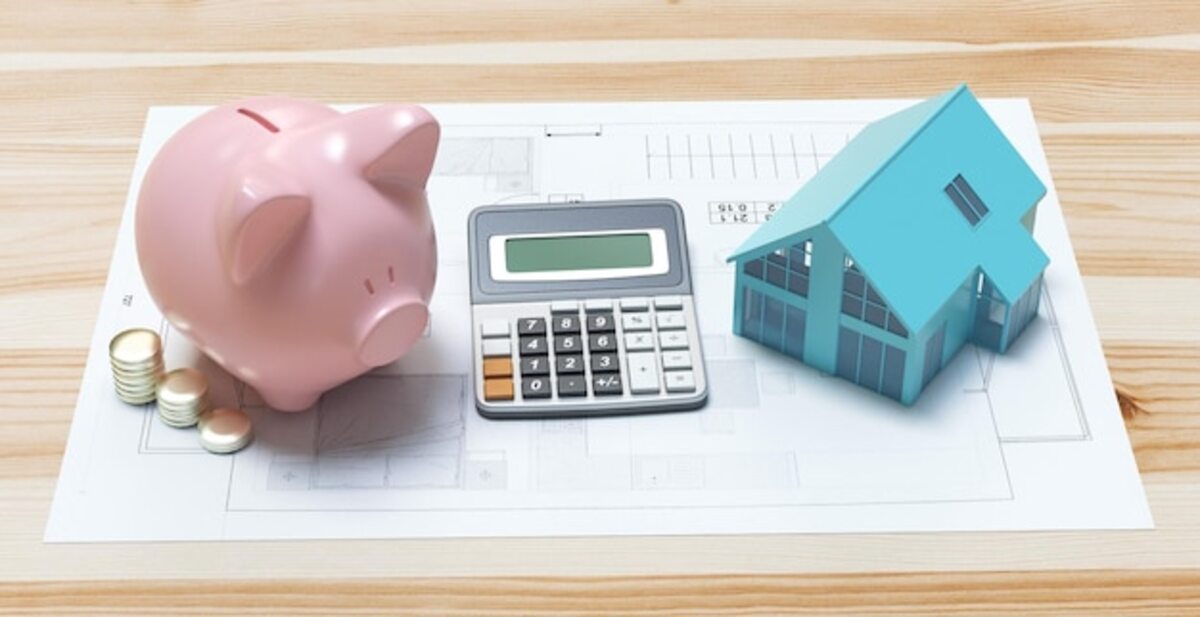
Navigating the process of purchasing your ideal home can seem like an overwhelming journey, but with the right financial planning, it becomes a rewarding experience. In this article, you will discover the keys to optimizing your resources and making informed decisions that bring you closer to that dream home without compromising your financial stability. Get ready to demystify the process and empower yourself at every step of the way towards your new home.
Setting a realistic budget: How much can you spend?
Establishing a realistic budget is the first fundamental step in the process of purchasing your ideal home. Before diving into the search, it is crucial to assess your current financial situation, taking into account your income, savings, and monthly expenses. This will allow you to determine how much you can allocate to the purchase of a home without jeopardizing your economic stability. Consider all associated costs, not just the purchase price, but also taxes, insurance, maintenance, and other expenses that may arise over time. An honest evaluation of your finances will give you a clear view of your limits and help you avoid unpleasant surprises later on.
Once you have clarity about your financial capacity, it is advisable to establish a budget range that includes a margin for unforeseen circumstances. The real estate market can be volatile; therefore, having flexibility in your budget can be beneficial when making offers or negotiating prices. Additionally, consider the possibility of consulting with a financial or mortgage advisor who can provide specialized guidance based on your particular situation. Remember that the goal is to find a balance between your desires and needs without compromising your financial well-being; this way, you can enjoy the process without stress or excessive worries.
Advertisements
Saving for the down payment: Effective strategies
Saving for the down payment on your home is a crucial step in buying a property and requires a well-planned strategy. To start, it is essential to establish a monthly budget that allows you to identify how much you can allocate to your savings without affecting your essential expenses. Consider opening a specific savings account for this purpose; this way, you can visualize your progress and avoid the temptation to spend those funds on other needs. It is also advisable to review your current expenses and cut back on those that are not essential, such as subscriptions or excessive entertainment, to redirect those resources toward your savings goal.
Additionally, consider using additional methods to accelerate your savings. For example, you could take advantage of extra income such as work bonuses or tax refunds and allocate them directly to your down payment fund. Another effective option is to set short-term goals; saving small amounts monthly can make the final objective seem less daunting and more achievable. Don't forget to research the different financing options available and the government programs that can make the process easier for you, as some offer financial assistance for first-time buyers. With discipline and organization, you will be closer to taking that important step towards acquiring your ideal home.
Evaluating financing options: Mortgages and loans
When evaluating financing options for the purchase of your home, it is essential to understand the differences between mortgages and personal loans. Mortgages are long-term loans specifically designed for the acquisition of real estate, which means they often offer lower interest rates because the property serves as collateral. On the other hand, personal loans, while they may be more accessible and quicker to obtain, generally have higher interest rates and shorter terms. It is crucial to analyze your financial needs and the amount you can realistically afford to pay monthly to determine which option best suits your situation.
It is also important to research different financial entities and compare their offers. Not all mortgages are the same; some may include hidden costs or unfavorable conditions. Consider speaking with a financial advisor to help you break down the terms and conditions, as well as the necessary requirements for each type of financing. Also, remember to consider factors such as how long you plan to live in the property and your current employment situation, as this can influence your final decision. Take the necessary time to evaluate all available alternatives before committing to a specific option; this way, you can make informed decisions that ensure not only the purchase of your ideal home but also your future economic stability.
The importance of credit history in home buying
The importance of credit history in home buying cannot be underestimated. This record, which reflects your financial behavior and your ability to manage debt, plays a crucial role in the approval of a mortgage loan. A good credit history not only increases your chances of obtaining financing, but it can also significantly influence the interest rates offered to you. In this sense, having a high score will allow you to access more favorable conditions that can translate into substantial savings in the long term. Additionally, lenders often evaluate your credit history to determine the level of risk associated with offering you a loan. If you have a history of on-time payments and responsible credit management, trust will be generated in your ability to meet financial obligations. On the other hand, if your history presents issues such as late payments or high credit card balances, you are likely to face greater challenges when seeking financing. Therefore, it is essential to monitor and improve your credit history before starting the buying process; this will not only facilitate access to more attractive loans but also give you greater confidence at every step toward acquiring your ideal home.
Additional expenses when buying a property: Beyond the sale price
When purchasing a property, it is essential to keep in mind that the sale price is not the only factor to consider. There are various additional expenses that may arise throughout the process, and if not planned properly, they can jeopardize your financial stability. Some of these costs include property taxes, closing fees, insurance, and initial maintenance expenses. Additionally, it is important to consider any necessary repairs or renovations to ensure that the home meets your expectations and needs.
Another aspect to consider is professional fees, such as payments to real estate agents and specialized lawyers. These expenses can vary significantly depending on the local market and the characteristics of the transaction. Therefore, creating a detailed budget will help you anticipate these additional costs and avoid unpleasant surprises when closing the purchase. With proper planning, you can make informed decisions that bring you closer to your ideal home without compromising your financial well-being.
Professional advice: When to seek external help?
When embarking on the search for your ideal home, it’s easy to feel overwhelmed by the number of decisions you need to make. In this context, professional advice can be an invaluable resource. An experienced real estate agent will not only guide you through the buying process but can also provide information about the local market, price trends, and options you might not have considered. This is especially helpful if you are a first-time buyer or if you are facing a complex financial situation. Knowing when to seek external help can make the difference between a satisfactory purchase and an experience filled with setbacks. In addition to real estate agents, other professionals such as appraisers or inspectors can be crucial in ensuring that you are making informed decisions. Proper appraisal of the property ensures that you do not pay more than necessary, while a meticulous inspection can prevent unpleasant surprises after the acquisition. If you feel uncertain about legal or financial aspects, consulting a lawyer or financial advisor can provide you with clarity and security at every step of the way. Seeking external help does not mean that you cannot handle the process; on the contrary, it is about surrounding yourself with experts who add value to your experience and bring you closer to your ideal home.
Comparing properties: What factors to consider?
When you are in the exciting stage of comparing properties, it is crucial to consider various factors that may influence your final decision. First, evaluate the location: proximity to schools, workplaces, and basic services can make a significant difference in your quality of life. Additionally, research the neighborhood; safety and the social environment are elements that will impact not only your well-being but also the long-term resale value of your property. Do not underestimate the importance of access to public transportation and nearby recreational options, as these aspects can enhance your daily satisfaction.
Advertisements
More in Financial Planning

Finance and Planning, Financial Planning
Dollars or colones: where colón buyers face less competition

Finance and Planning, Financial Planning
Take Advantage of The Exuberance of La Fortuna to Invest Successfully
Finance and Planning, Financial Planning
Secure your real estate investment with a deep and clear analysis.
Finance and Planning, Financial Planning
Navigate the purchase of your home with security and financial confidence.
Most viewed in Finance and Planning

Finance and Planning, Mortgage Loans
Keys to negotiate better terms on your mortgage
Finance and Planning, Financial Planning
Dollars or colones: where colón buyers face less competition

Finance and Planning, Housing Costs
Where US$200,000 buys a house in Alajuela

Finance and Planning, Insurance
How to choose a home insurance that fits your budget