
Secure your home purchase with a clear financial analysis.
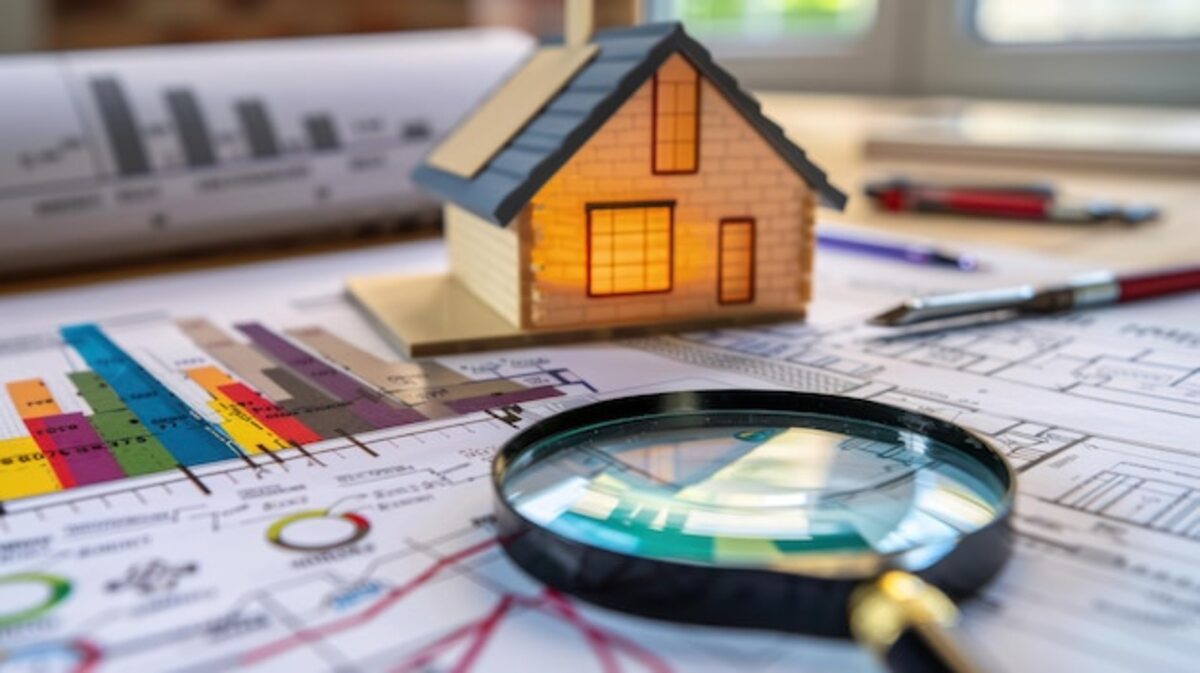
Secure your home purchase with a clear financial analysis. Acquiring a house is one of the most important decisions in life, and understanding your finances is key to avoiding unpleasant surprises. A detailed financial analysis will not only allow you to know your borrowing capacity, but it will also help you plan future expenses and make a smart investment. In this article, we will guide you through the essential steps to ensure that your purchase is safe and beneficial in the long run, turning this process into a positive experience.
The importance of financial analysis before buying a home.
Before embarking on the purchase of a home, it is essential to conduct a thorough financial analysis that provides clarity about your current economic situation. This process involves evaluating your income, expenses, and savings to determine how much you can allocate to the purchase without compromising your financial stability. Knowing your borrowing capacity will allow you to set a realistic budget that fits within your means, thus avoiding the risk of acquiring a property that exceeds your capabilities. Additionally, having a complete view of your finances will enable you to identify areas where you can improve or save, which can be crucial for increasing your initial capital allocated for the home.
A financial analysis is not just about calculating how much you can spend on the house; it also involves planning for the costs associated with the purchase and living in the new home. This includes taxes, insurance, maintenance, and other unexpected expenses that may arise over time. By anticipating these costs, you can make more informed decisions about the type of property you want to acquire and its location. In summary, conducting a thorough financial analysis provides you with the necessary tools to make a smart and secure investment in the real estate market, ensuring that your purchase is not only viable but also sustainable in the long term.
Advertisements
How to calculate your available budget for the purchase
Calculating your available budget for purchasing a home is a crucial step in the acquisition process. To begin, it is essential to evaluate your monthly income and fixed expenses. Make a detailed list of all your income, including salaries, bonuses, and any other sources of regular income. Then, note your recurring expenses such as rent, utilities, food, and transportation. Once you have clarity on your current finances, you will be able to determine how much money you can allocate to a down payment and to the monthly mortgage payments without compromising your economic stability.
It is also important to consider other expenses associated with buying a home that are often overlooked. These can include closing costs, property taxes, insurance, and maintenance. Therefore, make sure to set aside an additional percentage of your budget for these unforeseen expenses. A general rule is not to spend more than 28% to 30% of your gross monthly income on mortgage payments. By doing this methodical exercise, you will have a clearer view of your actual financial capacity and be better prepared to make informed decisions during the buying process.
Evaluation of income and expenses: the first step towards financial security
Evaluating your income and expenses is a fundamental step to achieving solid financial security before embarking on the purchase of a home. Start by analyzing your monthly income, including salaries, bonuses, and any other sources of recurring money. This exercise will give you a clear view of your financial capacity and help you establish a realistic budget that fits your needs. By knowing your income, you can identify how much you can allocate to the mortgage payment without jeopardizing your financial stability or compromising other important aspects of your daily life.
Next, it is crucial to conduct a thorough breakdown of your monthly expenses. This includes not only fixed payments such as rent or utilities but also those variable expenses that can affect your ability to pay a mortgage, such as food, transportation, and entertainment. By understanding how your money flows each month, you can identify areas where you could cut costs and save more for the down payment or to cover unforeseen expenses related to the new property. A detailed assessment will give you confidence when making an offer on your future home, ensuring that you are making informed and sustainable financial decisions in the long term.
What type of financing is right for you?
When purchasing a home, choosing the right type of financing is crucial to ensure your long-term financial stability. There are various options available, such as fixed-rate mortgages, adjustable-rate mortgages, or even government loans that can suit your needs. Fixed-rate mortgages are ideal if you seek stability in your monthly payments, while adjustable-rate mortgages may offer lower rates initially but carry risks if interest rates rise. It is essential to evaluate not only your income and savings but also your risk tolerance and your future financial plan.
In addition to traditional mortgages, consider alternatives like personal loans or credit unions that may offer more favorable terms. Remember that each option has its advantages and disadvantages; for example, a personal loan may have a higher interest rate but fewer bureaucratic requirements. Before committing to a specific type of financing, conduct a thorough analysis that considers all associated costs—such as insurance and taxes—and make sure to have a financial cushion for unexpected events. With the right approach in choosing financing, you can move toward your new home with confidence and peace of mind.
Hidden costs in purchasing a property: what you should consider
When acquiring a property, it is essential to consider not only the purchase price but also the hidden costs that may arise during and after the process. These additional expenses can include transfer taxes and notary fees, as well as maintenance costs and unexpected repairs. Furthermore, if you choose financing, you should take into account long-term interest, insurance, and the fees associated with the loan. Ignoring these aspects can lead to your budget spiraling out of control, affecting your ability to meet other financial obligations.
A thorough analysis of these hidden costs is essential to avoid unpleasant surprises in the future. For example, the property inspection may reveal structural issues that require immediate attention, which could involve a considerable investment. Likewise, don't forget to consider the cost of utilities, annual taxes, or homeowners association fees that could impact your monthly cash flow. Having clarity on all these elements will allow you to make more informed decisions and ensure that your home purchase is a positive and financially sustainable experience in the long term.
The impact of your credit history on your home purchase
Credit history is a crucial factor that directly influences your ability to buy a home. This record reflects your behavior as a borrower, including your on-time payments, the amount of your debts, and the length of your credit history. A good credit history can open doors to more favorable interest rates, which, in turn, can result in lower monthly payments and significant savings over time. On the other hand, if your history shows late payments or defaults, you are likely to face higher interest rates and even difficulties qualifying for a mortgage loan.
Furthermore, the impact of your credit history extends beyond the moment of purchase; it also affects your ability to obtain additional financing in the future. Once you have acquired your home, you may need to make renovations or face unexpected expenses. Having good credit will allow you to access financing options with better terms when you need it most. For this reason, it is essential to review and improve your credit history before embarking on the purchase of a house, thus ensuring not only a successful acquisition but also long-term financial stability.
Strategies to save money during the purchasing process
To save money during the home buying process, it is essential to establish a clear and realistic budget from the outset. This involves not only determining the maximum price you can afford to spend on the property but also considering other associated costs, such as taxes, insurance, and closing expenses. Research and compare prices in different areas to ensure you get the best possible deal. Additionally, consider making a wish list that helps you prioritize the most important features of your future home and avoid unnecessary expenses on properties that do not meet your basic expectations.
Another effective strategy is to take advantage of buyer assistance programs and loans with preferential rates. Many governments offer incentives for first-time buyers or for those purchasing in certain areas. Research these opportunities before making your purchase, as they could save you thousands of dollars over time. Additionally, negotiating with sellers can be key; don't hesitate to ask for discounts or to include furniture and appliances in the purchase. Keeping an open mind and being proactive in negotiation can result in significant savings during the acquisition process.
Long-term planning: securing your real estate investment
Long-term planning is essential to secure your real estate investment and maximize the return on your purchase. When acquiring a home, you are not only investing in a physical space but also in an asset that can appreciate over time. To ensure that this investment is profitable, it is crucial to consider factors such as the location of the property, market trends, and potential developments in the area. Analyzing these aspects will allow you to anticipate changes that could affect the value of your property and make informed decisions about when to sell or rent in the future.
In addition to assessing the economic environment, it is crucial to establish a budget that considers not only the initial expenses of the purchase but also the long-term associated costs, such as taxes, maintenance, and necessary improvements. Including these elements in your financial planning will provide you with a clear view of how your personal finances will be affected over time. This way, you can enjoy your home without unexpected financial worries and ensure that the acquisition remains a source of well-being throughout the years. The key is to anticipate and be prepared for any eventuality that may arise during the lifecycle of your property.
Advertisements
More in Financial Planning

Finance and Planning, Financial Planning
Dollars or colones: where colón buyers face less competition

Finance and Planning, Financial Planning
Take Advantage of The Exuberance of La Fortuna to Invest Successfully
Finance and Planning, Financial Planning
Secure your real estate investment with a deep and clear analysis.
Finance and Planning, Financial Planning
Navigate the purchase of your home with security and financial confidence.
Most viewed in Finance and Planning

Finance and Planning, Mortgage Loans
Keys to negotiate better terms on your mortgage
Finance and Planning, Financial Planning
Dollars or colones: where colón buyers face less competition

Finance and Planning, Housing Costs
Where US$200,000 buys a house in Alajuela

Finance and Planning, Insurance
How to choose a home insurance that fits your budget