
Strategies for ensuring a successful and secure home purchase
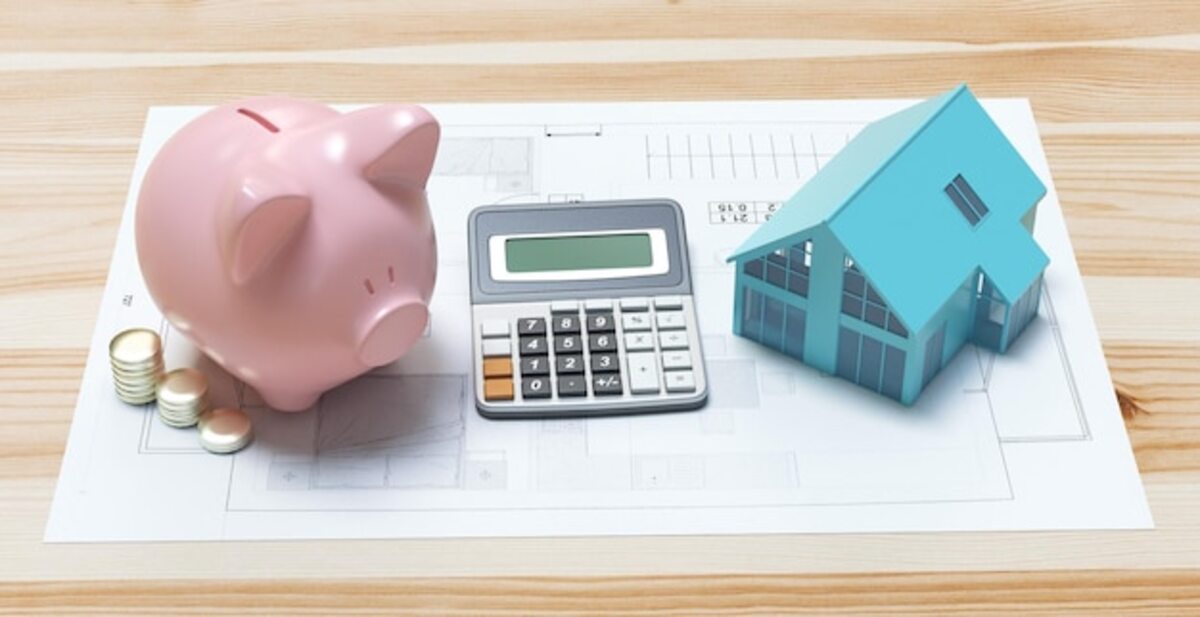
Buying a home is one of the most important financial decisions in anyone's life. Ensuring that this process is successful and secure requires meticulous financial planning and well-defined strategies. In this article, we will explore how you can adequately prepare to make a smart investment in real estate, avoiding common mistakes and maximizing your budget. Get ready to take the first step toward the home of your dreams with confidence and security.
Setting a realistic budget: How much can you invest?
Setting a realistic budget is the first essential step in the home buying process. Before you start looking for properties, it is crucial to analyze your personal finances and determine how much you can afford to invest without compromising your economic stability. This involves not just considering the price of the home, but also additional expenses such as taxes, insurance, maintenance, and possible renovations. Creating a detailed list of your income and expenses will help you visualize your financial situation and set a clear limit that you can follow throughout the buying process. Remember that a well-defined budget will allow you to act with confidence and avoid unpleasant surprises in the future.
Once you have a clear understanding of your initial budget, consider speaking with a financial advisor or an experienced real estate agent who can offer guidance on the available options based on your financial capacity. These professionals can help you identify viable alternatives within the real estate market that align with your needs and expectations. Additionally, it is advisable to include a margin for unforeseen expenses in your budget; this way, you can handle any additional costs that may arise during the transaction or after acquiring the property. By establishing a disciplined approach to your investment from the outset, you will be better prepared to make informed and confident decisions at each stage of the buying process.
Advertisements
Saving for the down payment: Effective techniques for accumulating funds.
Saving for a down payment on a home may seem like an overwhelming task, but with the right techniques, it is a completely achievable process. An effective strategy is to establish a monthly budget that focuses on your income and expenses. Identifying areas where you can cut costs, such as unnecessary subscriptions or frequent dinners, will allow you to allocate that extra money towards saving for your down payment. Also, consider opening a savings account dedicated solely to this purpose; this way, you will have a specific place to watch your funds grow and avoid the temptation to spend those savings on other things.
Another useful technique is to automate your savings. Setting up automatic transfers from your main account to the savings account designated for the down payment can greatly simplify the process. Set realistic goals and specific deadlines to reach certain milestones in your saving; this will not only keep you motivated but also help you measure your progress. Additionally, exploring additional opportunities such as temporary jobs or selling items you no longer need can provide you with extra income to add to your savings fund, thereby accelerating your path to purchasing your ideal home.
Credit evaluation: Improving your score before buying.
Credit evaluation is a crucial aspect of the home buying process. Before starting your search for a new home, it is essential to review your credit history and ensure it is in optimal condition. A good credit score will not only allow you to access better interest rates but will also increase your chances of approval for a mortgage loan. Consider obtaining your credit report and correcting any errors or discrepancies that may affect your score. Additionally, paying your bills on time and reducing outstanding debts are essential steps to improve your financial profile.
Once you have a clear understanding of your credit status, you can implement specific strategies to increase it before making a purchase. This may include paying down some debts or reducing the use of available credit on your cards. It is also advisable to avoid opening new lines of credit in the months leading up to the purchase, as this can negatively impact your score. By focusing on improving your credit rating, you will not only facilitate obtaining the necessary financing but also be able to negotiate more favorable terms with lenders, thereby taking one step closer to a successful and secure purchase.
Researching the real estate market: Getting to know the best areas to invest.
Researching the real estate market is essential to identify the best areas to invest in. To do this, it's crucial to analyze factors such as location, property demand, growth projections, and available services in each area. An emerging neighborhood may offer buying opportunities at more accessible prices, but it is also vital to assess its long-term appreciation potential. This way, one can find emerging areas that not only meet current needs but also promise a significant increase in property value over time.
It is also advisable to consult market studies and local statistics that provide a clear view of price trends and occupancy rates in different neighborhoods. Talking to local real estate agents or experienced investors can give you valuable information about which areas are thriving and which might be less secure for an investment. Remember that good research will not only help you make an informed choice but will also allow you to negotiate better and seize unique opportunities on your path to acquiring your ideal home.
Types of financing: Mortgage options that suit you.
Choosing the right type of financing is crucial for the successful purchase of your home. There are various mortgage options that cater to different financial profiles and personal needs. For example, fixed-rate mortgages offer constant interest rates over time, providing stability in monthly payments. On the other hand, adjustable-rate mortgages may start with lower rates, but these could change over time, requiring careful analysis of your future financial situation. Knowing your options will allow you to make informed decisions aligned with your goals.
In addition to fixed and adjustable-rate mortgages, there are other types of financing that could be ideal depending on your situation. Conventional mortgages often have strict credit and income requirements, while government-backed options like FHA or VA may offer more flexible terms and additional benefits for eligible buyers. It is also important to consider the possibility of loans specific to certain communities or programs aimed at first-time buyers. By exploring all these alternatives, you can find an option that is not only affordable but also suitable for your specific needs and lifestyle.
The importance of a real estate advisor: How to choose the best ally in your purchase.
Choosing a competent real estate advisor is essential to ensure a successful and secure home purchase. This professional not only has knowledge of the local market but will also guide you through the entire process, from the initial search to the final signing. When selecting an advisor, it is crucial to evaluate their experience, track record, and references from previous clients. A good advisor should not only be an expert in properties but also in negotiating favorable terms and understanding your specific needs. This way, you will have the peace of mind knowing that you are making informed decisions.
In addition to their technical expertise, a good real estate agent acts as your emotional ally throughout the process. Buying a home can be stressful and filled with doubts; having someone who understands your concerns and offers support can make a difference. Be sure to look for a professional who communicates effectively with you and is willing to answer all your questions, no matter how simple they may seem. Personal connection is equally important: an agent you trust will help you feel more confident at every step of the journey towards acquiring your new home.
Final preparations before closing the purchase: Key checks to avoid surprises.
Before finalizing the purchase of a home, it is crucial to conduct a series of checks that can prevent unpleasant surprises in the future. First, make sure to review the physical condition of the property through a professional inspection. This includes evaluating essential elements such as the electrical system, plumbing, and the overall structure of the house. A detailed report can reveal hidden issues that could lead to unexpected expenses later on. Do not underestimate the importance of this stage; a small inconvenience could turn into a major headache if not addressed before closing.
In addition to the physical inspection, it is essential to conduct a thorough review of the legal documents related to the property. Ensure that there are no liens or pending legal issues that could complicate your acquisition. Also, check the terms of the contract to understand your obligations and rights as a buyer. Consider consulting a real estate attorney to advise you during this process; their expertise can be invaluable in protecting your investment and ensuring everything is in order before signing. With these key checks, you will be better prepared to make an informed and secure purchase, thereby minimizing the chances of facing unwanted surprises after the closing.
Advertisements
More in Financial Planning

Finance and Planning, Financial Planning
Dollars or colones: where colón buyers face less competition

Finance and Planning, Financial Planning
Take Advantage of The Exuberance of La Fortuna to Invest Successfully
Finance and Planning, Financial Planning
Secure your real estate investment with a deep and clear analysis.
Finance and Planning, Financial Planning
Navigate the purchase of your home with security and financial confidence.
Most viewed in Finance and Planning

Finance and Planning, Mortgage Loans
Keys to negotiate better terms on your mortgage
Finance and Planning, Financial Planning
Dollars or colones: where colón buyers face less competition

Finance and Planning, Housing Costs
Where US$200,000 buys a house in Alajuela

Finance and Planning, Insurance
How to choose a home insurance that fits your budget