
Essential tips for evaluating the investment in your new home
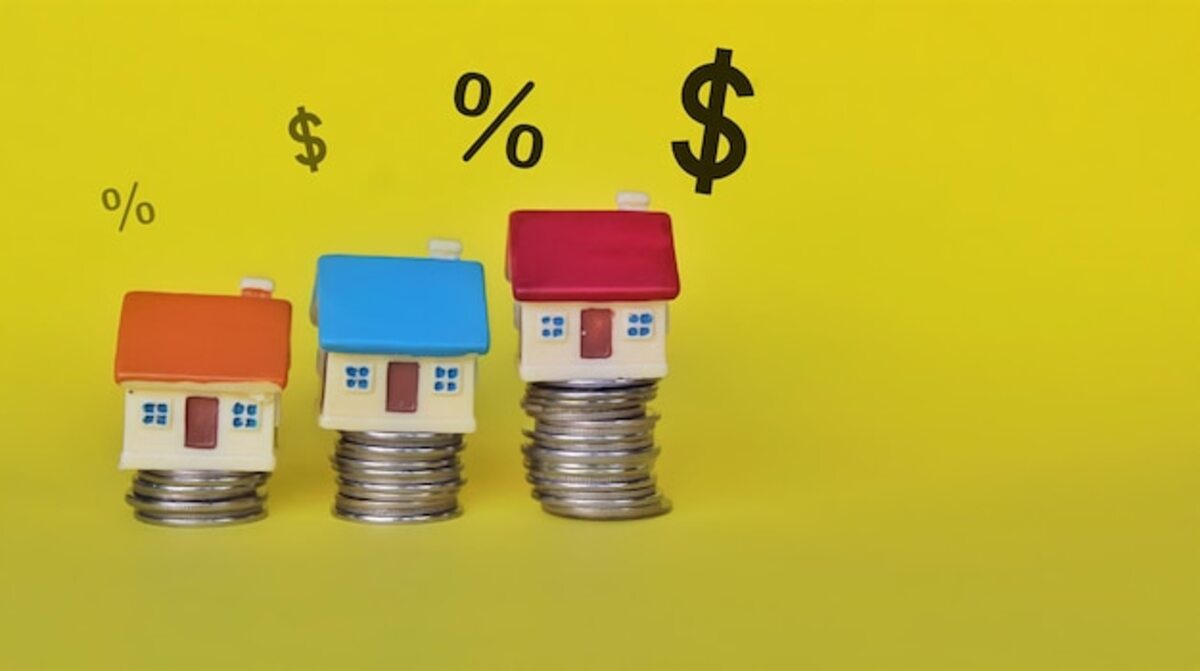
When acquiring a new home, the investment you are about to make can be one of the most significant decisions of your life. Evaluating the associated costs and potential future gains is crucial to ensure that every colón is well invested. In this article, we will provide you with essential tips that will help you analyze your future home in depth, ensuring that your dream does not turn into a financial nightmare. Keep reading and take control of your finances!
Understanding the value of the real estate market in Costa Rica
The real estate market in Costa Rica has shown steady growth over the past decades, becoming an attractive destination for both locals and foreign investors. Understanding this context is essential when evaluating the investment in your new home. Factors such as location, infrastructure development, and demographic trends play a crucial role in property appreciation. Additionally, places near beaches, mountains, or urban areas with accessible services tend to have higher demand, which can translate into better long-term return on investment.
Another important aspect to consider is the impact of the local and global economy on the Costa Rican real estate market. Factors such as tourism, environmental sustainability, and the increasing interest in natural spaces are elements that directly influence property prices. Likewise, understanding the legal regulations related to the purchase of real estate will allow you to navigate more effectively throughout the acquisition process. By understanding these factors and their interaction, you will be able to make informed decisions that not only protect your capital but also ensure a satisfactory purchase that aligns with your future expectations.
Advertisements
Analysis of hidden costs when buying a house
When buying a house, it's easy to focus solely on the sale price and overlook the hidden costs that may arise throughout the process. These additional expenses, which are often not considered in the initial budget, can include closing fees, property taxes, long-term maintenance, and insurance. For example, closing fees can vary significantly depending on the state or region you are in, and they often represent a substantial percentage of the total purchase cost. Moreover, it's essential to calculate property taxes based on the estimated value of your new home, as these can dramatically affect your monthly payments.
Maintenance costs are another crucial aspect that is often overlooked. After purchasing a home, it is essential to be prepared to cover unexpected expenses such as urgent repairs or necessary improvements to maintain the quality of the home. It is advisable to conduct a thorough inspection before buying to identify potential structural or electrical issues that may require immediate attention. Having a fund set aside exclusively for these unforeseen circumstances can be decisive in avoiding unpleasant surprises and ensuring that your investment remains a source of satisfaction rather than a financial burden.
The importance of location in price assessment
The location of a home is one of the most determining factors when evaluating its price. A property situated in an area with access to essential services like schools, hospitals, and public transportation will not only provide a higher quality of life but also tends to maintain or increase its value over time. Developing areas, on the other hand, may present attractive opportunities for low initial investments, but it is important to research whether these areas are poised for growth or if they might face future economic issues. Therefore, analyzing the location from both a practical and financial perspective is crucial for making informed decisions.
Additionally, the safety and environment of the neighborhood are crucial aspects that directly impact the cost of housing. Buyers are often willing to pay more for properties located in areas where there is a sense of community and well-being. Factors such as crime rates, the reputation of the neighborhood, and the availability of recreational spaces can significantly influence your investment. Before deciding on a place, make sure to visit the area several times at different times of the day to get a clear view of what it would actually be like to live there. These elements will help you justify the price you are willing to pay and ensure that your choice is sustainable in the long term.
Pre-inspections: why are they essential?
Pre-purchase inspections are a crucial step in the home buying process, as they allow for the identification of potential structural or maintenance issues that may not be immediately apparent. These evaluations can cover everything from reviewing the electrical system and plumbing to detecting moisture or foundation problems. Ignoring this aspect could result in costly surprises after acquiring the property, which can drastically affect your budget and long-term plans. By conducting a thorough inspection, you ensure that you have a clear understanding of the actual condition of the property and can make informed decisions about whether to proceed with the purchase or negotiate repairs before finalizing the deal.
Additionally, having a detailed report of the prior inspections gives you extra leverage during negotiations with the seller. If significant defects are identified, you can use this information as a bargaining chip to reduce the final price or request that necessary repairs be made before completing the transaction. On the other hand, if everything is in order, you will have greater peace of mind knowing that you made a sound choice and can focus your energies on enjoying your new home without hidden worries. In summary, investing time and resources in prior inspections is essential to protect your investment and ensure that your experience as a homeowner is positive from the outset.
Comparison between new constructions and used houses
When considering the purchase of a home, it is essential to compare new constructions and used houses. New constructions often offer advantages such as more recent energy efficiency technologies and a modern design that can adapt to your current needs. Additionally, when buying a new property, there are generally warranties that cover structural or installation issues during the first few years. This can translate into lower initial maintenance costs and the peace of mind of knowing that you won’t have unpleasant surprises in the short term. On the other hand, used houses can present unique opportunities that are hard to match. Often, these properties are located in established neighborhoods with services already in place, which can be attractive to those looking to quickly integrate into a community. Furthermore, the price of used houses tends to be more competitive, which could allow you to access better locations or larger spaces within the same budget. However, it is important to conduct a thorough analysis of the overall condition of the home and any necessary repairs to avoid hidden costs that could affect your long-term investment.
Impact of interest rates on your investment
Interest rates are a key factor to consider when evaluating the investment in your new home. When you decide to finance your purchase through a mortgage, the interest rate you obtain can drastically influence the total cost of your loan. A small change in rates can result in thousands of colones added or saved over time. Therefore, it is essential to stay informed about market trends and seek options that offer the best conditions for your financial situation. A financial advisor or a mortgage agent can help you understand how these rates will affect your monthly payments and the total you will end up paying for your home.
Additionally, it is important to consider how fluctuations in interest rates can affect the property's appreciation. If you acquire a property in an environment where rates are rising, it could decrease demand, which would negatively impact its value in the future. On the other hand, if you manage to secure a low rate, you will not only reduce your monthly expenses but also increase your chances of achieving significant profits if you decide to sell later. In summary, understanding the impact of interest rates will not only help you make more informed financing decisions but also allow you to better project the potential return on your long-term investment.
Total budget: beyond the purchase price
When you think about the total budget for your new home, it's essential to go beyond the purchase price. Many buyers focus solely on the amount they need to pay for the property, but this approach can be misleading and lead to unpleasant surprises. Additional costs, such as taxes, insurance, maintenance, and utilities, can add up quickly and significantly impact your long-term finances. Therefore, it is crucial to calculate a comprehensive budget that includes all these expenses to have a clear picture of what you are truly investing in.
Also, don't forget to consider possible improvements or renovations you may want to make in your new home. The need to repair or update certain areas may arise after the purchase and should be part of your financial planning. By anticipating these expenses and adding them to the total cost of the investment, you can avoid future financial stress. Remember that a home is not just a monetary transaction; it is a space where you will build memories and experiences. So make sure you are prepared to take on all the economic aspects involved in this important decision.
How to calculate return on investment (ROI)
Calculating the return on investment (ROI) of your new home is a crucial step in the process of evaluating any property. ROI refers to the relationship between the profits gained from an investment and the total cost of that investment. To calculate it, you must first consider all expenses associated with the purchase of the property, including the purchase price, taxes, closing costs, and any additional expenses for renovations or maintenance. Once you have a clear understanding of the total amount invested, you can compare it with the expectations of property appreciation over time and the potential income if you decide to rent it out.
It is important to keep in mind that ROI is not only measured in monetary terms; you should also consider intangible factors such as the quality of life that the location offers and the potential improvements in your well-being. Researching the real estate market trends in the area will give you a clearer idea of how the value of your home may appreciate in the coming years. Additionally, make sure to adjust your calculations to include aspects such as inflation and other economic changes that could affect the future value of the property. With this information, you will have a more complete view that will allow you to make more informed decisions when making your investment.
Strategies for negotiating prices with sellers
Negotiating prices with sellers can be an art, but with the right strategies, you can reach an agreement that benefits both you and the seller. A crucial first step is to research the local market and know the value of similar properties in the area. This will give you a solid foundation to argue your offer. Additionally, make sure to pay attention to any signs that indicate the seller is motivated to sell, such as if the property has been on the market for an extended period or if there are signs of urgency in their situation. These factors can give you an advantage in the negotiation.
Another effective strategy is to establish a cordial relationship with the seller from the beginning. Asking about their history with the house and showing genuine interest can help create an atmosphere of trust and openness. Don't hesitate to present your initial offer below the asking price; this is normal in real estate negotiations. However, do so with respect and justification, explaining your reasons based on concrete market data and potential necessary repairs. Always remember to maintain a flexible attitude and be open to counteroffers; negotiation is a dynamic process where both parties should feel satisfied at the end of the deal.
Considerations on financing and mortgage loans
When it comes to financing and mortgage loans, it is essential to understand the different options available in the market. Not all mortgages are the same; there are various types that may better suit your financial needs and payment capacity. From fixed rates to variable rates, as well as special programs for first-time buyers, each option has its advantages and disadvantages. Thoroughly researching and comparing offers from different entities will allow you to find the most suitable solution for your situation, avoiding unpleasant surprises in the future.
It is also crucial to consider not only the interest rate but also the additional costs associated with the mortgage loan. These may include origination fees, insurance, and closing costs that can significantly increase the total cost of financing. Before committing to a loan, make sure to carefully read all the terms and conditions. Consulting with a financial advisor or a mortgage expert can provide you with a clearer insight into what you are really agreeing to when signing the documents, helping you make an informed decision that supports your long-term financial stability.
Advertisements
More in Housing Costs
Finance and Planning, Housing Costs
Practical guide to avoid mistakes when buying your ideal home.

Finance and Planning, Housing Costs
Key aspects for a safe and successful home purchase
Finance and Planning, Housing Costs
How to analyze costs and ensure a successful home purchase
Finance and Planning, Housing Costs
Evaluate the profitability of your investment in housing with confidence.
Most viewed in Finance and Planning

Finance and Planning, Mortgage Loans
Keys to negotiate better terms on your mortgage

Finance and Planning, Insurance
How to choose a home insurance that fits your budget

Finance and Planning, Taxes and Expenses
Transform your monthly expenses into saving opportunities.

Finance and Planning, Financial Planning
Dollars or colones: where colón buyers face less competition