
Guide to Financial Decision-Making When Buying Your Ideal Home
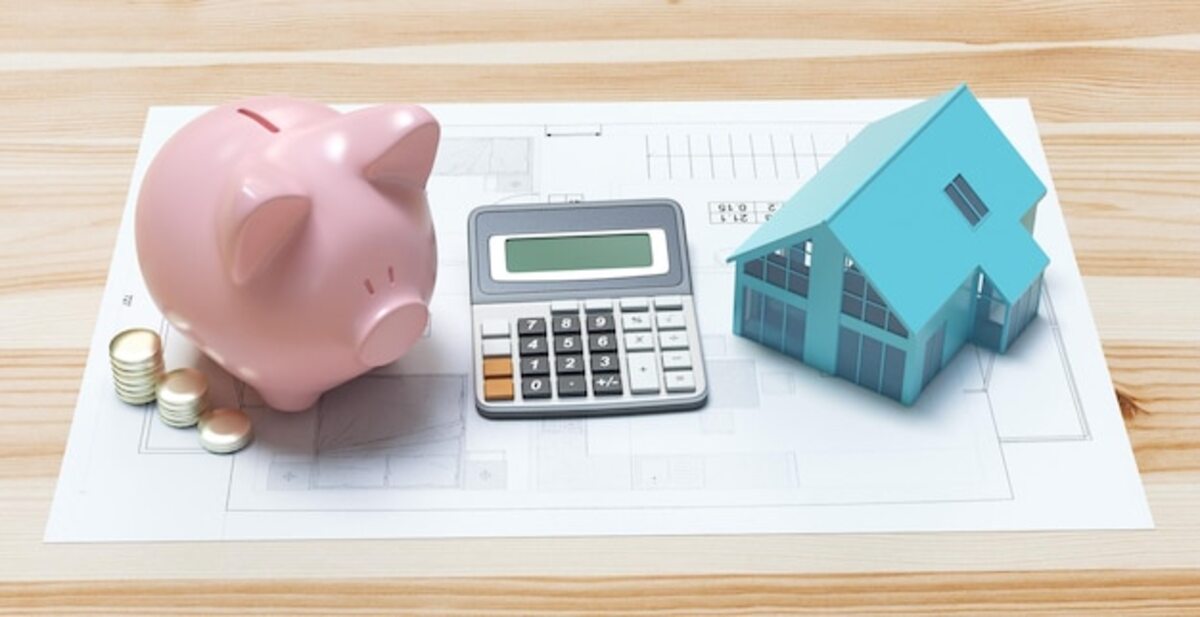
Buying your ideal home is one of the most important financial decisions you will make in life. Navigating hidden costs, interest rates, and budgets can be overwhelming. But don't worry; in this guide, we will break down the essential aspects you need to consider to make a smart and secure investment. From understanding the real estate market to evaluating your financing options, here you will find everything you need to make informed decisions and build a solid future. Get ready to take the step towards your new home!
Evaluating your budget: How much can you really invest?
Evaluating your budget is the first and most crucial step in the home buying process. Before falling in love with a property, it is essential to be clear about how much you can really invest without compromising your finances. Start by analyzing your monthly income, fixed and variable expenses, as well as any existing debt. This will give you a clear idea of your financial capacity and help you set a realistic limit for your search. Don't forget to consider all the costs associated with the purchase, including taxes, insurance, and home maintenance, which are often overlooked in the early stages.
Once you have a complete view of your personal finances, you can explore different financing options. It is advisable to consult with banking entities or financial advisors to learn about current interest rates and the types of loans available. Additionally, consider whether you can take advantage of government programs or incentives that facilitate purchasing for new homeowners. The key here is to find a balance between what you want in a home and what you can truly afford; this will not only save you from unpleasant surprises in the future, but it will also allow you to fully enjoy your new space without excessive financial worries.
Advertisements
Hidden costs when buying a home: What nobody tells you
When buying a home, many people focus primarily on the purchase price and immediate expenses such as the mortgage or down payment. However, there are hidden costs that can surprise new homeowners if not adequately considered. For example, closing costs that include legal fees, appraisal fees, and insurance can add thousands of dollars. Additionally, it is crucial to take into account property taxes that vary by location and can significantly impact your monthly budget.
In addition to these initial costs, there are also recurring expenses that often go unnoticed during the buying process. Home maintenance is one of them; it is recommended to allocate between 1% and 3% of the total property value annually for repairs and preventive maintenance. Other factors such as fees associated with homeowner associations or utilities should also be considered when calculating your long-term financial capacity. Ignoring these costs can lead you to a complicated financial situation, so make sure to conduct a thorough analysis before taking the definitive step toward your new home.
The importance of good credit: How it affects your options
The importance of maintaining good credit cannot be underestimated when buying your ideal home. Your credit history is one of the most influential factors in the decisions that lenders make about your ability to obtain financing. A good credit score will allow you to access lower interest rates, which translates to more affordable monthly payments and ultimately a lower total cost over time. On the other hand, if your credit is poor, you may face higher rates or even denial of a loan, which would restrict your purchasing options and could lead to less favorable financial commitments. Furthermore, good credit not only affects the type of loan you can obtain but also other aspects related to buying a home. For example, some sellers may be reluctant to accept offers from buyers with a weak credit history due to the associated risk. This can limit your opportunities in the real estate market and cause you to miss out on desired properties. In summary, taking care of and improving your credit score before embarking on the search for your ideal home not only broadens your financial options but also provides you with greater security and confidence throughout the entire buying process.
Types of financing: Which one is best for you?
When considering the purchase of your ideal home, it is crucial to evaluate the different financing options available. Mortgages are the most common form of financing, and within them, you will find various modalities such as fixed and variable rates. A fixed-rate mortgage offers the advantage of having consistent payments over time, which makes financial planning easier. On the other hand, a variable-rate mortgage may start with lower payments, but over time it could result in a significant increase if interest rates rise. It is important to weigh your current and future financial needs to choose the type that best fits your situation.
In addition to traditional mortgage loans, there are other financing alternatives you might consider. Credit unions and local institutions often offer more flexible terms than conventional banks. You can also explore government programs aimed at helping first-time buyers, which may include grants or loans with preferential rates. Evaluating all these options will not only allow you to find the best interest rate but also optimize your overall budget when acquiring your home. Always remember to read the fine print and understand all associated costs to avoid unpleasant surprises in the future.
Comparison of interest rates: Strategies to get the best deal
When buying your ideal home, one of the most determining factors in the viability of your purchase is the interest rates offered by financial institutions. These rates can vary significantly from one lender to another, so it is crucial to conduct a thorough comparison before making a decision. A good strategy is to gather offers from different banks and credit unions and analyze not only the interest rate but also other aspects such as fees, terms, and conditions of the loan. Using online tools to calculate the total cost of the credit can help you visualize how much you will actually end up paying for your home.
Once you have a list of the different options available, don't hesitate to negotiate with lenders. Many are willing to adjust their rates or terms to attract potential buyers. Additionally, consider the possibility of opting for government programs or special incentives that may offer preferential rates or subsidies, especially if you are a first-time buyer. At the end of the day, securing the best deal on interest rates will not only facilitate your access to the dream home but will also allow you to save a significant amount in interest over the life of the loan.
Property inspection: Key to avoiding costly surprises
The property inspection is a crucial step in the home buying process, as it can prevent costly surprises in the future. By conducting a thorough evaluation of the house, you can identify hidden issues such as structural damage, leaks, or outdated electrical systems that may require significant repairs. It not only helps you get a clear idea of the overall condition of the property, but also gives you the opportunity to negotiate with the seller to adjust the price or request repairs before finalizing the purchase. Investing in a good inspection can save you thousands in unexpected expenses.
Additionally, having a detailed report on the property's conditions will give you confidence when making financial decisions. With this information in hand, you can assess whether you are truly making a sound investment and if it fits your long-term budget. Remember that the goal is not just to acquire a home, but to ensure that it is a safe and comfortable place for you and your family. Therefore, do not underestimate this crucial step; a proper inspection could be the difference between enjoying your new home without worries or facing uncomfortable issues after the purchase.
Additional expenses: Taxes, insurance, and maintenance to consider
When considering the purchase of your ideal home, it is crucial to account for additional expenses that may arise beyond the sale price. Property taxes are one of the most significant costs you should anticipate. These taxes vary by location and can increase over time, so it is important to educate yourself about the rates applicable in your specific area. Additionally, many states offer tax exemption or reduction programs that could benefit new homeowners, which is worth investigating to appropriately adjust your budget.
Another vital aspect is home insurance and maintenance. Home insurance not only protects your investment against unforeseen damages but may also be a requirement by the lender when obtaining a mortgage. It is advisable to compare different policies and insurers to find the best option that fits your needs and budget. On the other hand, regular home maintenance is essential to prevent larger problems in the future; from minor repairs to services like gardening or HVAC system cleaning, these costs should be considered within your annual expenses. Preparing for these additional expenses will help you maintain a solid financial health after making such a significant purchase as your ideal home.
Price negotiation: Effective techniques to secure a good deal
Negotiating the price of a property can be one of the most challenging yet rewarding aspects of the process of buying your ideal home. To secure a good deal, it is essential to be well-informed about the local real estate market. Research the prices of similar homes in the area, analyze their history, and consider current trends. With this information at hand, you will be able to argue confidently during negotiations, showing that you understand the true value of the property and that you are not willing to pay more than necessary.
Additionally, persuasion techniques play a crucial role in negotiation. Listen carefully to the seller and understand their motivations; this will allow you to find common ground and create an offer that benefits both parties. Don't hesitate to ask questions about the property and express your concerns. Often, showing genuine interest can open the door to concessions from the seller. It is also helpful to establish a flexible range for your initial offer; starting a little below the asking price can lead to a more effective negotiation and work in your favor in closing the final deal.
Long-term planning: Securing your future investment
Long-term planning is an essential component when considering the purchase of your ideal home. It's not just about evaluating your current financial situation, but also anticipating how your needs and priorities may change in the future. For example, if you plan to start a family, it is crucial that the space and location of your new home can accommodate those changes. Additionally, it is advisable to research the potential appreciation of the property in the coming years; a well-located property with desirable features can be an investment that not only provides you with a place to live but also an asset that increases in value over time.
Another vital aspect of long-term planning is to consider the associated costs beyond the initial purchase price. This includes expenses such as property taxes, maintenance, and necessary repairs over time. Establishing a budget that takes these factors into account will not only help you manage your finances better but also ensure that your home remains a comfortable and functional refuge without compromising your economic stability. Remember that a well-thought-out decision today can guarantee you peace of mind and financial security in the years to come; so take your time to evaluate all the variables before taking that important step toward acquiring your new home.
Advertisements
More in Housing Costs

Finance and Planning, Housing Costs
Where US$200,000 buys a house in Alajuela
Finance and Planning, Housing Costs
Essential tips for evaluating the investment in your new home
Finance and Planning, Housing Costs
Practical guide to avoid mistakes when buying your ideal home.

Finance and Planning, Housing Costs
Tips for choosing the best financing option for your home purchase
Most viewed in Finance and Planning

Finance and Planning, Mortgage Loans
Keys to negotiate better terms on your mortgage

Finance and Planning, Financial Planning
Dollars or colones: where colón buyers face less competition
Finance and Planning, Housing Costs
Where US$200,000 buys a house in Alajuela

Finance and Planning, Insurance
How to choose a home insurance that fits your budget