
How to analyze costs and ensure a successful home purchase
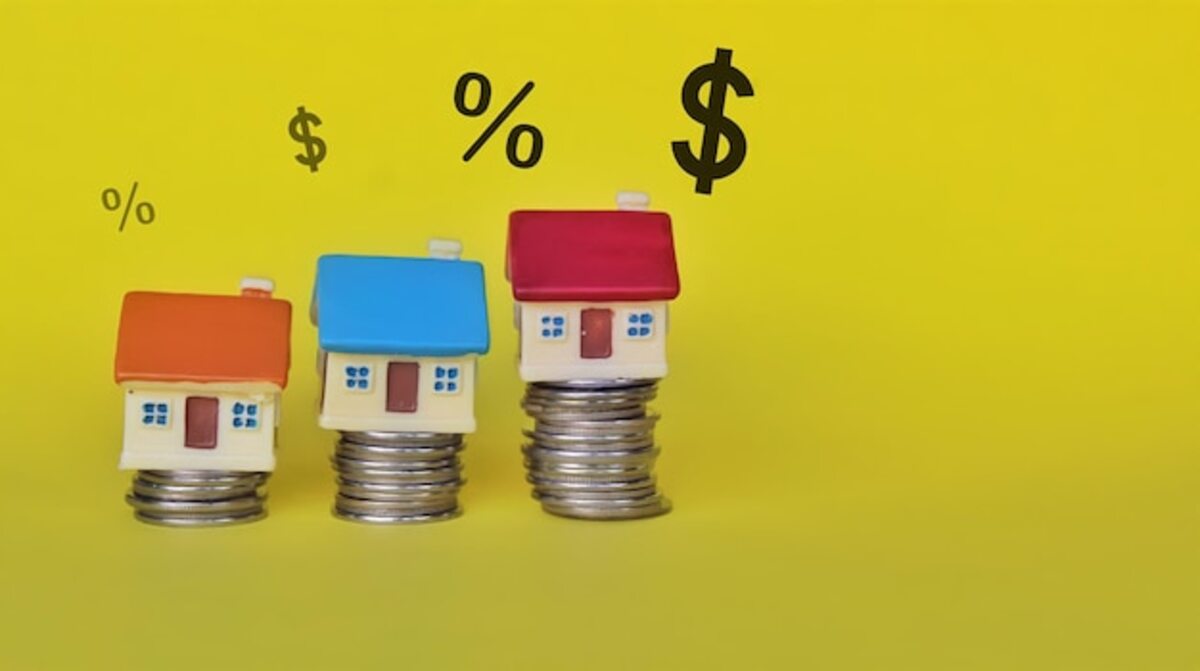
Are you ready to take the step towards buying your dream home? Analyzing the costs involved is key to ensuring a successful investment. In this article, I will guide you through effective strategies that will allow you to evaluate and understand every expense related to the acquisition of a property in Costa Rica. From hidden costs to maintenance fees, you will learn to make informed decisions that will lead you to a secure and affordable home. Let’s turn your dream into reality!
Understanding the Initial Purchase Costs
When starting the home buying process, it is essential to understand the initial costs involved in this important transaction. These costs not only include the sale price of the property but also encompass other essential expenses such as the earnest money deposit, legal service fees, and property-related taxes. In many cases, these amounts can add up to a significant percentage of the total price, making it vital to consider them from the beginning to avoid unpleasant surprises during negotiations or at the time of closing the purchase.
In addition to the direct costs associated with the purchase, it is crucial to consider additional elements such as the real estate agent's fees and property appraisal expenses. Often, buyers underestimate these costs or are unaware of them, which can affect their overall budget and ability to finance the desired home. Conducting a detailed analysis and creating a clear budget will allow you to have a more complete and accurate view of what it truly means to acquire a property in Costa Rica. This way, you will be better prepared to make informed decisions and ensure a successful investment in your future home.
Advertisements
Evaluation of Hidden Costs in Acquisition
When considering the purchase of a home, it is essential to go beyond the initial sale price and take into account the hidden expenses that can significantly affect your budget. These costs are often not disclosed during negotiations and may include closing fees, property taxes, insurance, and moving-related expenses. It is advisable to conduct a detailed analysis that encompasses these elements to avoid unpleasant surprises once you have closed the purchase. For example, property taxes vary by location and can impact your long-term finances.
In addition to the mentioned costs, it is also essential to evaluate the overall condition of the home and any potential expenses for necessary repairs or renovations. A professional inspection can help you identify hidden issues such as leaks or structural failures that may require immediate attention after acquiring the property. Also, consider the monthly fees associated with utilities, home maintenance, or contributions to homeowner associations if applicable. By adding all these hidden expenses to the total acquisition cost, you will ensure that you make informed decisions that align with your financial capabilities and future expectations.
The Impact of the Mortgage: Interest Rates and Terms
The impact of a mortgage is one of the most crucial aspects to consider when acquiring a home. The interest associated with the mortgage can significantly increase the total cost of your property, so it is essential to understand how it works. A low interest rate can result in more manageable monthly payments, while a high interest rate can turn your dream home into a financial burden. Additionally, the terms of the mortgage play a fundamental role; opting for a longer term can reduce your monthly payments, but it will also increase the total amount you end up paying over time. Therefore, evaluating different options and simulating various scenarios will help you make informed decisions.
Another vital aspect is to calculate your payment capacity before committing to a mortgage. This involves not only analyzing your current income but also anticipating possible future changes in your financial situation. Be sure to include all additional expenses related to the property, such as taxes and insurance, to have a clear view of the total monthly cost. Also, consider working with a financial advisor or a mortgage broker who can guide you in selecting the best mortgage product according to your needs and economic profile. Remembering that every decision counts towards ensuring a successful purchase will allow you to navigate this process with confidence and clarity.
Taxes and Fees Associated with Property
When acquiring a property, it is essential to consider the associated taxes and fees that can significantly impact your budget. In Costa Rica, one of the main taxes to consider is the property tax, which is calculated based on the cadastral value of the property. This tax is paid annually, and its rate may vary depending on the location and characteristics of the property. Additionally, it is important to find out about municipal fees, which may include services such as garbage collection and maintenance of public spaces. These costs are crucial for having a clear view of the total expenses associated with the purchase.
Another relevant aspect to consider is the fees associated with property registration and other legal procedures necessary to formalize your purchase. These costs not only include the notary fees but also the administrative fees charged by the National Registry for registering the new property in your name. Ignoring these details could lead to unexpected financial surprises later on. Therefore, I recommend allocating an additional percentage of your total budget to cover these expenses; this way, you can ensure that you are not only prepared to buy your home but also to maintain it properly within the legal framework.
Maintenance Costs: Long-Term Planning
When considering the purchase of a home, it is essential to take into account the maintenance costs that will arise over time. These expenses are not just an additional aspect but a crucial part of long-term financial planning. From minor repairs to regular maintenance of systems such as plumbing and HVAC, each of these elements can significantly impact your budget. Therefore, it is advisable to conduct a thorough analysis of the specific needs of the property and to set aside a fund dedicated exclusively to these eventualities.
Additionally, when evaluating the total cost of ownership, it is beneficial to investigate how well the property has been maintained in the past. Homes that have been properly cared for tend to require less immediate attention and can offer substantial savings in future costs. You should also consider external factors that may influence maintenance expenses, such as the local climate and the quality of materials used in construction. With proper planning and a proactive approach to maintenance costs, you will be able to fully enjoy your new home without unwanted financial surprises.
Tools and Resources for Financial Analysis
To carry out an effective financial analysis when considering the purchase of a home, it is essential to have the right tools and resources. There are various applications and software specifically designed to help prospective homeowners calculate costs, create budgets, and project long-term expenses. Platforms like Excel or Google Sheets allow you to build customized spreadsheets that can include all associated expenses, from the mortgage to taxes, ensuring that no detail is overlooked. Additionally, some mobile applications offer mortgage calculators that make it easy to compare different financial scenarios in just minutes. On the other hand, do not underestimate the value of seeking professional advice. Consulting with a financial advisor or an experienced real estate agent can provide you with valuable and specific information about the local market. These experts can offer detailed analyses on market trends, as well as help you better understand the hidden costs involved in purchasing a property. Also, be sure to take advantage of online resources such as forums and community groups where other buyers share their experiences and practical advice. With these tools and resources at your disposal, you will be better prepared to make informed decisions that support your goal of acquiring your ideal home without unpleasant surprises along the way.
Practical Tips for Negotiating the Final Price
Negotiating the final price of a home can be an intimidating process, but with the right tips, you can secure a beneficial deal for yourself. First, it is crucial to conduct thorough research on the real estate market in the area you are interested in. Knowing the value of similar properties in the area will give you a solid foundation to argue your position during the negotiation. Use online platforms and consult local real estate agents for up-to-date information that supports your proposal. Additionally, do not hesitate to point out any issues or aspects that need repair in the property; this can be a point in your favor when discussing a price adjustment.
Another practical tip is to set a price range before starting negotiations. Define what the maximum amount you are willing to pay is and what an ideal price would be for you. This will not only help you stay within your budget, but also allow you to negotiate with confidence. During conversations, remain calm and be flexible; listen carefully to the seller's proposals and look for middle ground where both parties can feel comfortable. Remember that each negotiation is unique, so adapt your strategies as needed and don't hesitate to close the deal when you feel you have reached a fair agreement.
Advertisements
More in Housing Costs

Finance and Planning, Housing Costs
Where US$200,000 buys a house in Alajuela
Finance and Planning, Housing Costs
Essential tips for evaluating the investment in your new home
Finance and Planning, Housing Costs
Practical guide to avoid mistakes when buying your ideal home.

Finance and Planning, Housing Costs
Tips for choosing the best financing option for your home purchase
Most viewed in Finance and Planning

Finance and Planning, Mortgage Loans
Keys to negotiate better terms on your mortgage

Finance and Planning, Financial Planning
Dollars or colones: where colón buyers face less competition
Finance and Planning, Housing Costs
Where US$200,000 buys a house in Alajuela

Finance and Planning, Insurance
How to choose a home insurance that fits your budget