
How to assess the financial impact of your home purchase
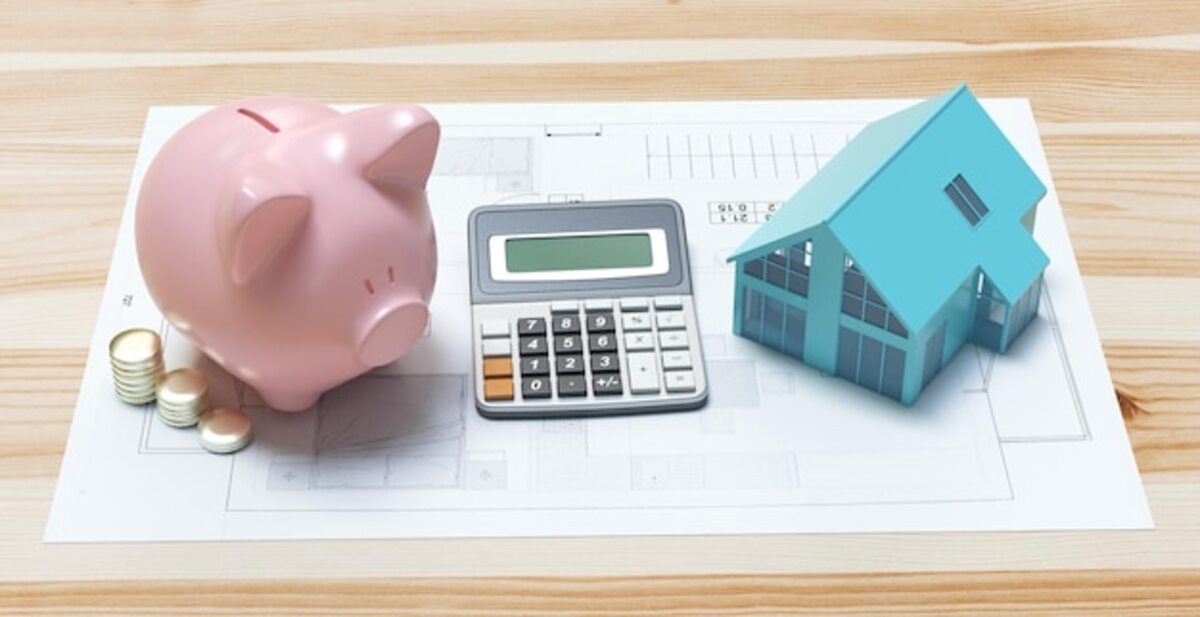
Are you thinking about buying a home and wondering how it will affect your long-term finances? Evaluating the financial impact of your purchase is crucial to ensure that you make the best decision possible. From initial costs to hidden expenses, every aspect can affect your budget. In this article, you will discover the keys to analyzing your real estate investment and ensuring that it aligns with your financial goals. Get ready to make informed decisions and avoid unpleasant surprises!
The hidden costs of buying a home
When buying a home, many buyers focus on the sale price and immediate expenses, such as the down payment and closing costs. However, it is essential to consider the hidden costs that may arise over time. These can include property taxes and insurance to maintenance expenses and unexpected repairs. Ignoring these aspects can lead to a significant mismatch in your budget, affecting your ability to meet other financial obligations and personal goals.
In addition to the mentioned costs, it is important to consider the expenses related to the community and the environment in which the home is purchased. Homeowners Association (HOA) fees or contributions to local improvements are common examples that can impact your financial situation. You should also consider potential increases in tax rates or changes in the real estate market that could affect the value of your investment. Evaluating all these factors will enable you to make more informed decisions and avoid unpleasant surprises when closing the purchase.
Advertisements
How to calculate your mortgage monthly payment
To calculate the monthly payment of your mortgage, it is essential to understand the basic formula used in this process. Most mortgages are structured under an amortization scheme, which means that the monthly payments are constant over time. The calculation involves the loan amount, the annual interest rate, and the term of the loan. Using a mortgage calculator or a specific mathematical formula, you can determine the monthly payment you will need to make. This number not only includes the principal and interest portions but also other elements such as property insurance and property taxes, which may be incorporated into your total payment.
In addition to calculating the basic monthly payment, it is essential to consider other factors that could influence your ability to meet those payments. For example, if you decide to make a larger down payment, this will reduce the total loan amount and could significantly decrease your monthly payments. Likewise, it is important to take into account potential changes in the interest rate if you choose a variable-rate mortgage. Be sure to include an extra margin in your budget to cover unforeseen expenses or fluctuations related to the property. By evaluating all these variables, you will be better prepared to make informed decisions about your home purchase and its long-term financial impact.
Taxes and fees: What should you consider?
When considering the purchase of a home, it is essential to take into account the taxes and fees that could significantly increase the total cost of your investment. One of the main expenses to consider is property taxes, which vary depending on the location and the assessed value of the property. These taxes are calculated annually and can increase over time, impacting your long-term budget. Additionally, some areas may charge additional fees for local services or infrastructure, which should also be evaluated before making your purchase.
Another important aspect is the fees associated with the buying process, such as closing costs and property transfer taxes. These expenses are often a percentage of the sale price and may include commissions for real estate agents, legal fees, and other administrative charges. Ignoring these details can lead to unpleasant surprises when it comes time to close the transaction. Therefore, it is advisable to research and calculate all these costs in advance to gain a clear understanding of the total financial impact before committing to the purchase of your new home.
Budget for maintenance and repairs
Maintenance and repairs are fundamental aspects that are often overlooked when evaluating the financial impact of a home purchase. Once you acquire a property, costs do not stop at the mortgage and taxes; you must consider a specific budget to keep your home in optimal condition. This includes expenses such as maintaining the heating and air conditioning system, repairing roofs, plumbing, and electricity, as well as taking care of the garden or patio. Having a fund set aside for these unforeseen events can prevent you from facing unpleasant financial surprises that could affect your economic stability.
It is also important to research the maintenance history of the property before making the purchase. Some properties may require more attention than others due to their age or unresolved prior issues. Conducting a thorough inspection and considering potential necessary renovations can help you more accurately estimate the future expenses you will face. This way, you can adjust your overall budget and ensure that your investment is not only sustainable in the short term but also in the long term. By adequately planning for maintenance and repairs, you will ensure a more peaceful and less stressful living experience in your new home.
Impact of property insurance on your finances
Property insurance is a fundamental element that can have a significant impact on your finances when buying a home. This type of policy not only protects your investment against damage or loss but also influences the monthly costs associated with your mortgage. When assessing the total cost of homeownership, it is essential to include insurance premiums in your monthly budget. Ignoring this expense can lead you to underestimate the true cost of housing and affect your ability to meet other financial obligations. Moreover, property insurance can offer additional benefits that positively impact your finances. For example, some providers may offer discounts if you implement home security improvements or if you decide to bundle multiple policies (such as auto and home) under one company. These savings can help reduce your overall expenses and allow you to allocate more resources to other financial goals, such as saving for retirement or your children's education. Therefore, understanding how property insurance works and its relationship to your finances is crucial for maximizing your real estate investment and ensuring long-term economic stability.
Analysis of resale value and appreciation
When considering the purchase of a home, it is essential to analyze not only the initial cost but also the resale value and the potential appreciation of the property over time. The location, the property's features, and the trends in the real estate market are determining factors that will influence its future value. Buying in a growing neighborhood or one with good amenities can mean that your investment appreciates significantly, while acquiring a property in a stagnant area could result in economic losses when selling. Therefore, researching the urban development and economic projections of the area is crucial to estimate how your home's value might behave.
Additionally, it is important to consider the costs associated with resale. In many cases, owners underestimate expenses such as real estate agent commissions, capital gains taxes, and possible repairs needed before putting the house on the market. These costs can significantly impact the final return on your investment. When evaluating the total financial impact of your purchase, be sure to consider not only how much you could make when selling, but also how much it will actually cost you to do so. This analysis will allow you to make more informed decisions that align with your long-term financial goals and maximize your profitability when selling.
Comparison between renting vs buying: Which is more profitable?
When evaluating whether it is more profitable to rent or buy a home, it is essential to consider various financial factors that will influence your long-term decision. Renting may initially seem more attractive, as it generally involves a lower outlay for items such as the security deposit and moving expenses. However, you must keep in mind that over time, rental payments do not generate any form of equity. In contrast, when buying a home, although you face higher initial costs and additional responsibilities such as taxes and maintenance, you are building equity as you pay down the mortgage, and the value of the property may increase over time.
Another crucial aspect to consider is financial stability and future plans. If you plan to stay in one location for several years, buying could be a more cost-effective option. On the other hand, if your circumstances are uncertain or you expect significant changes in your personal or professional life, renting offers flexibility without the complications associated with ownership. Additionally, you should assess your current financial capabilities: a mortgage may require a significant financial commitment and a solid credit history, while renting might better fit a limited budget. Ultimately, analyzing these elements will allow you to make informed decisions about which option best fits your needs and economic expectations.
The role of financing in your final decision
Financing plays a fundamental role in the decision to purchase a home, as it not only determines the amount you will be paying monthly but also how it fits into your overall financial situation. Before committing to a mortgage loan, it is essential to evaluate different financing options and interest rates. Comparing offers from different banking institutions can help you find more favorable conditions, as well as advise you on the types of loans available, such as fixed or variable mortgages. Each type has its pros and cons that can influence your long-term finances.
A key aspect of financing is understanding how it affects your ability to handle other everyday expenses and save for the future. A loan that is too high could limit your resources for emergencies or long-term investments. Additionally, consider factors such as the down payment and the additional costs associated with closing the deal. Making a realistic projection of how these payments will impact your monthly cash flow will allow you to make more informed decisions and avoid falling into unexpected financial problems in the future.
Strategies to reduce costs during purchasing
To reduce costs when buying a home, it is essential to conduct thorough research before making any decisions. Start by comparing prices in different areas and among various properties that meet your criteria. Use online tools and consult with real estate agents to gain a clear understanding of the market. Additionally, consider attending real estate fairs or local events where you might find special offers or promotions that are not available in the traditional market. Educating yourself about market trends will help you identify opportunities that could assist you in negotiating a better price.
Another effective strategy is to carefully review all the expenses associated with the purchase. This includes not only the price of the home but also taxes, insurance, and closing costs. Often, these additional expenses can add up quickly and impact your overall budget. Research financing options and compare interest rates to ensure you get the best possible terms. Additionally, consider working with a financial advisor who can help you identify areas where you can save and optimize your resources during the buying process. Making informed decisions about each financial aspect can lead to significant savings in the long run.
Useful tools to evaluate your real estate investment
When evaluating your real estate investment, it is essential to have tools that allow you to effectively analyze the financial impact of your purchase. There are various online calculators that can help you estimate the total costs associated with acquiring a home, including mortgages, taxes, and insurance. In addition, platforms like Zillow or Realtor.com provide market analyses that allow you to compare prices and trends in different areas, facilitating a more comprehensive assessment of whether the price of a property aligns with its actual market value. These tools are vital to avoid impulsive decisions and ensure that your investment is sound.
Another useful tool is the creation of a detailed budget. This should include not only the monthly mortgage payments but also other recurring expenses such as maintenance, utilities, and contributions to emergency funds. Additionally, consider using financial apps that help you keep track of your income and housing-related expenses. These apps can provide you with visual reports on your finances, allowing you to make more informed decisions about when and how to adjust your spending or saving. Together, these tools will give you a clear and accurate view of the true cost of homeownership and how this decision aligns with your long-term financial goals.
Advertisements
More in Housing Costs

Finance and Planning, Housing Costs
Where US$200,000 buys a house in Alajuela
Finance and Planning, Housing Costs
Essential tips for evaluating the investment in your new home
Finance and Planning, Housing Costs
Practical guide to avoid mistakes when buying your ideal home.

Finance and Planning, Housing Costs
Tips for choosing the best financing option for your home purchase
Most viewed in Finance and Planning

Finance and Planning, Mortgage Loans
Keys to negotiate better terms on your mortgage

Finance and Planning, Financial Planning
Dollars or colones: where colón buyers face less competition
Finance and Planning, Housing Costs
Where US$200,000 buys a house in Alajuela

Finance and Planning, Insurance
How to choose a home insurance that fits your budget