
Keys to a home purchase that ensures your peace of mind
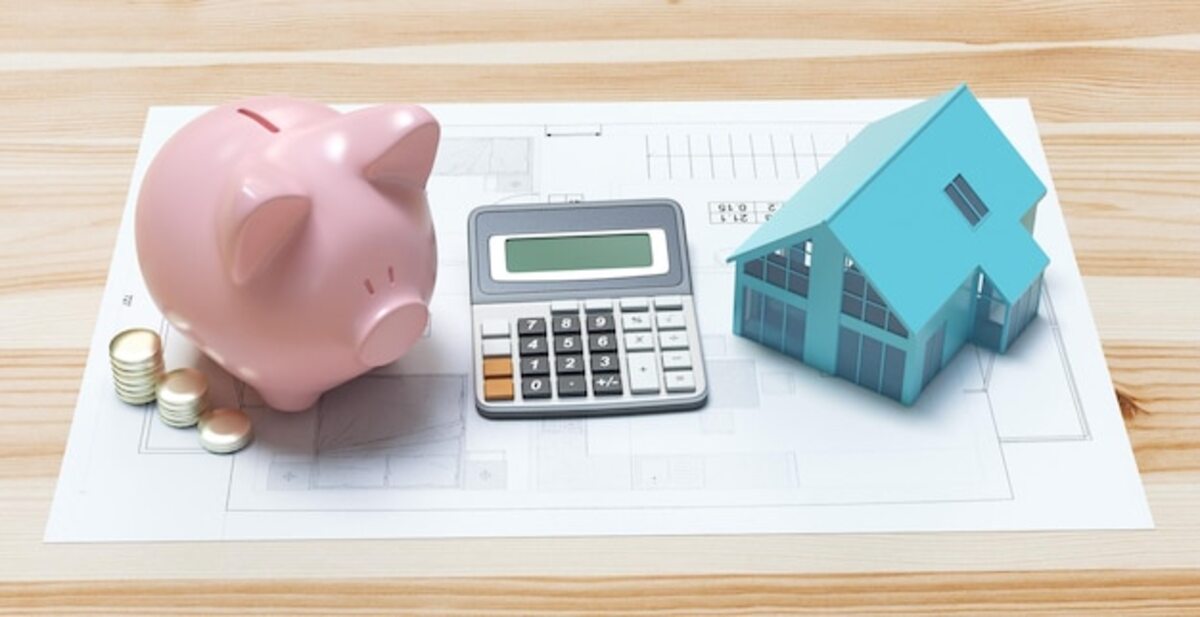
Finding the ideal home can seem like an overwhelming task, but ensuring your peace of mind during the process is essential. In this article, we will present the keys to making a home purchase that not only fits your budget but also provides you with emotional and financial security. Through practical and strategic tips, you will learn to avoid unpleasant surprises and make informed decisions that will allow you to enjoy your new home worry-free.
Set a realistic budget: How much can you really spend?
Establishing a realistic budget is the first crucial step in the home buying process. Before you start looking for properties, it is essential to evaluate your personal finances and determine how much you can actually spend without compromising your economic stability. This involves not only considering the price of the home but also other associated costs such as taxes, insurance, maintenance, and utilities. A good practice is to conduct a thorough analysis of your monthly income and expenses to arrive at a clear figure that allows you to set a limit you can adhere to without financial stress.
It is also advisable to consider factors such as the type of financing you will use for the purchase. If you plan to apply for a mortgage, inform yourself about current interest rates and the different types of loans available. This will help you better understand how monthly payments will impact your overall budget. Also, consider leaving a margin for unforeseen expenses; it is natural for unexpected costs to arise during the move or in the first months in your new home. By establishing a realistic budget that is tailored to your needs and financial capabilities, you will ensure a more peaceful and satisfying purchase that meets your expectations without jeopardizing your economic well-being.
Advertisements
Research the local real estate market: Understand the trends and prices.
Researching the local real estate market is a crucial step to make a home purchase that ensures peace of mind. Understanding industry trends will allow you to better grasp fluctuations in prices and the availability of properties in your desired area. Spend time reviewing market reports, recent sales statistics, and expert analyses that can provide you with a clear insight into whether it is a good time to buy or if it is preferable to wait. Additionally, being informed about the development of nearby infrastructure and services, such as schools, hospitals, and public transport, can significantly influence the long-term value of the property.
Comparing prices between different neighborhoods will help you identify attractive opportunities within your budget. Visit specialized real estate websites and attend open houses to get a realistic idea of the price range and features that properties in your area offer. Don't forget to also consider factors such as neighborhood safety and its potential growth; these aspects not only affect your initial investment but also impact your daily quality of life. By having a clear picture of the local market, you will be able to make more informed decisions and avoid succumbing to impulses or external pressures during the buying process.
Evaluate the hidden costs of housing: Beyond the purchase price.
When purchasing a home, it is essential to keep in mind that the purchase price is not the only expense you should consider. Evaluating hidden costs can make the difference between a good investment and a financial headache. These costs can include expenses such as regular maintenance, homeowners association fees, property taxes, and insurance. Additionally, if it is an old home, you may face unexpected repairs that could destabilize your budget. Therefore, it is crucial to conduct a thorough analysis to anticipate these additional expenses before making any decisions.
Another aspect to consider is the costs associated with the location of the housing. Researching the cost of living in the area will give you a clearer view of the daily expenses you will face, from transportation to utilities. It is also advisable to inquire about the potential increase in property value and how it could affect your finances in the long term. By evaluating all these factors, you will be able to make a more informed decision that not only reflects your current economic capacity but also your future financial stability and your emotional peace of mind knowing that you are making the right choice for you and your family.
Consider the location: Impact on costs and quality of life.
When considering the location of your future home, it is essential to evaluate how this decision will impact not only your initial costs but also your long-term quality of life. Areas with good infrastructure, access to public transportation, and nearby services generally have a higher cost, but they can result in significant savings over time. For example, living close to your workplace can reduce transportation expenses and commuting time, translating to greater availability to enjoy with family or dedicate to your hobbies. Additionally, areas with good schools and community services tend to maintain or increase their value, thus ensuring a more solid investment.
Additionally, the location also influences intangible aspects that affect your daily well-being. A safe and friendly neighborhood can significantly enhance your quality of life by providing an environment where you feel comfortable and protected. Proximity to parks, recreational centers, and local shops fosters an active and socially connected lifestyle. When choosing a suitable location for your home, you are not only thinking about the present; you are laying the groundwork for a fulfilling and satisfying future. Therefore, it is essential to research various factors such as local culture, available activities, and the overall atmosphere before making a final decision on where to settle.
Analyze financing options: Find the best mortgage for you.
When analyzing financing options, it is crucial to take the necessary time to research and compare different types of mortgages. There are various alternatives in the market, from fixed-rate mortgages to variable ones, as well as special programs that may be available depending on your financial situation or your location. Each option has its advantages and disadvantages; for example, a fixed-rate mortgage provides stability with consistent payments over time, while a variable-rate mortgage may offer lower initial rates but carries the risk of increasing future payments. Evaluating these aspects will help you choose the best option that fits your needs and expectations.
In addition to interest rates and payment terms, it is essential to consider other factors such as additional costs associated with the loan, including insurance, fees, and closing expenses. Using mortgage calculators can be a useful tool to project how different scenarios will impact your monthly budget. It is also advisable to consult with financial advisors or mortgage agents to obtain more detailed and personalized information about the current market conditions. By making informed decisions about financing your home, you will not only improve your financial health but also contribute to your emotional peace during this important stage in your life.
Conduct pre-inspections: The importance of knowing the condition of the property.
Conducting pre-purchase inspections is a fundamental step in the home buying process. Knowing the condition of the property not only allows you to identify potential structural or maintenance issues but also provides you with the necessary peace of mind to make an informed decision. Inspections can reveal anything from leaks and damage to electrical systems to more subtle issues like moisture problems or pests. With a clear diagnosis of the home's condition, you can negotiate repairs with the seller or even reconsider your offer if the repair costs are excessive.
Additionally, having a detailed report on the property's conditions can give you a competitive edge in the market. Sometimes, buyers rush to acquire a property without conducting due diligence, which can result in unpleasant surprises after moving in. By investing time and resources in pre-inspections, you not only protect your financial investment but also ensure your emotional well-being by knowing that you have taken all necessary precautions. This way, you can enjoy your new home with confidence and satisfaction, without the shadow of hidden problems lurking in the future.
Negotiate the price: Strategies to get a good deal.
Negotiating the price of a home can be one of the most intimidating aspects of the buying process, but it is also one of the most valuable opportunities to secure a good deal. Before making an offer, research the real estate market in the area where you want to buy. Knowing the average prices of similar properties will give you a good starting point for establishing your proposal. Additionally, consider factors such as how long the property has been on the market; if it has been unsold for a long time, the seller may be more willing to negotiate. Preparing yourself with solid information will allow you to approach the negotiation with confidence and determination.
An effective strategy when negotiating is to make use of prior inspections and reports on the property to identify potential necessary repairs or aspects that may decrease its value. This not only gives you a strong argument to request a lower price but also demonstrates to the seller that you are an informed and serious buyer. Finally, always maintain a flexible and open attitude towards discussion; sometimes, accepting additional conditions such as including furniture or making certain arrangements could result in mutual benefits without significantly affecting the final price. Remember that each negotiation is unique, so adapt your tactics to each situation while keeping your goals clear in mind.
Learn about additional taxes and fees: Do not underestimate these expenses.
When purchasing a home, it is essential to keep in mind that the purchase price is not the only expense you will face. Taxes and additional fees can add a significant amount to the total cost of the property. For example, you will need to consider property tax, which varies by location and can be a recurring expense over time. Additionally, there are costs such as building maintenance fees, insurance, and utilities that should also be part of your budget. Ignoring these expenses can lead you to complicated financial situations and affect your peace of mind.
It is also advisable to research if there are additional fees associated with the purchase, such as transfer taxes or legal costs related to the deed. Consulting with a real estate professional can be invaluable in helping you break down all these potential expenses and ensuring that nothing is overlooked in your financial planning. By understanding all the fees and taxes from the beginning, you will be able to make more informed decisions and avoid unpleasant surprises during the buying process, which will contribute to your peace of mind in this important stage of your life.
Think long term: Is this a safe investment?
When considering the purchase of a home, it is crucial to think long-term and evaluate whether this investment will be secure for you and your family. Buying a house is not just an immediate expense; it is a financial commitment that can affect your economic situation for years. Before making a decision, research the location, the potential for appreciation, and the stability of the real estate market in that area. Also analyze the demographic and economic trends that could influence the property's value. A solid investment will provide future security and protect you against market fluctuations.
Also, consider the costs associated with maintaining the home over time. You should not only worry about the mortgage, but also about taxes, insurance, and potential repairs. Conducting a thorough analysis of all these aspects will allow you to anticipate future expenses and avoid unpleasant surprises. Ask yourself if you can afford these costs without compromising your quality of life. In the end, a well-thought-out purchase will not only contribute to your financial well-being but will also provide emotional peace of mind knowing that you have made an informed decision for the future.
Consult with experts in finance and real estate: The importance of getting proper advice.
Consulting with experts in finance and real estate is a crucial step that should not be overlooked when acquiring a home. These professionals can provide you with a clear perspective on your financial situation and help you correctly interpret the real estate market, thus avoiding impulsive decisions that could compromise your economic stability. A financial advisor can guide you in creating a realistic budget, considering not only the purchase price but also additional costs such as taxes, insurance, and maintenance. Meanwhile, an experienced real estate agent can provide you with valuable information about market trends, growing areas, and properties that meet your specific needs.
Additionally, having the support of these experts allows you to be better prepared to face negotiations and potential setbacks during the buying process. Their knowledge of the industry will help you identify opportunities, but also recognize warning signs that could indicate future problems. By surrounding yourself with a competent and well-informed team, you will be able to make more secure and informed decisions, which translates into an acquisition that not only meets your initial expectations but also ensures your peace of mind in the long term. Let’s remember that buying a home is a significant investment; therefore, taking the time to consult with those who have experience in the area can make the difference between a successful purchase and a painful lesson learned.
Advertisements
More in Housing Costs

Finance and Planning, Housing Costs
Where US$200,000 buys a house in Alajuela
Finance and Planning, Housing Costs
Essential tips for evaluating the investment in your new home
Finance and Planning, Housing Costs
Practical guide to avoid mistakes when buying your ideal home.

Finance and Planning, Housing Costs
Tips for choosing the best financing option for your home purchase
Most viewed in Finance and Planning

Finance and Planning, Mortgage Loans
Keys to negotiate better terms on your mortgage

Finance and Planning, Financial Planning
Dollars or colones: where colón buyers face less competition
Finance and Planning, Housing Costs
Where US$200,000 buys a house in Alajuela

Finance and Planning, Insurance
How to choose a home insurance that fits your budget