
Keys to confidently finance your home purchase
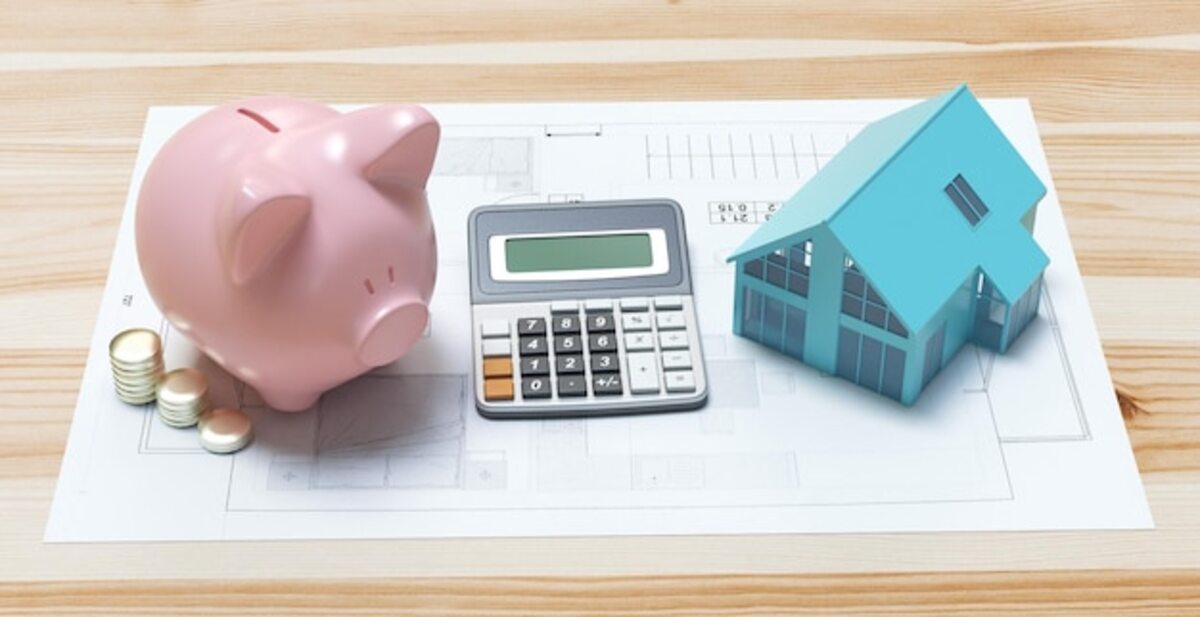
Are you ready to take the step towards buying your dream home? Financing your home may seem like a daunting challenge, but with the right strategies, you can do it with confidence and security. In this article, we will provide you with essential keys on how to manage housing costs, optimize your finances, and make informed decisions that align with your goals. Get ready to discover how to turn that dream into reality without any unpleasant surprises.
Understanding the hidden costs of home buying
Buying a home is a significant milestone in anyone's life, but the existence of hidden costs that can impact the final budget is often overlooked. Beyond the sale price, buyers must consider factors such as taxes, insurance, and closing costs. These additional expenses can add up to thousands of dollars, and it is essential to account for them when calculating how much you can truly afford. Ignoring these elements can lead to financial surprises that complicate your ability to maintain the home in the long term.
Additionally, the costs related to maintenance and repairs are also crucial aspects to consider. A home requires constant attention; from minor repairs to major renovations, these expenses can add up quickly. It is advisable to establish a fund for unforeseen events or repairs, which will allow you to manage your finances better without affecting your quality of life. By understanding and planning for all these hidden costs, you will be able to finance your home purchase with confidence and security, ensuring that your dream becomes a sustainable reality over time.
Advertisements
How to assess your creditworthiness before buying
Evaluating your creditworthiness is a crucial step before embarking on the purchase of a home. This involves reviewing your current income, expenses, and debts to gain a clear view of your financial situation. Start by calculating your debt-to-income (DTI) ratio, which will help you understand how much of your monthly income goes toward debt payments. A low DTI indicates that you have more room to take on new obligations, which can facilitate the approval of a mortgage loan and improve its terms, such as more favorable interest rates.
It is also important to request your credit report and review your credit score. These aspects are crucial in the evaluation that lenders will make about you. A good credit history not only increases your chances of obtaining financing but can also open doors to better offers and lower rates. If you find errors in your report or if your score is low, work on correcting those issues before starting the buying process. This way, you can present yourself as a strong candidate to lenders and finance your home with confidence.
Financing options: banks vs cooperatives
When considering financing options for purchasing your home, it is essential to understand the differences between banks and credit unions. Banks, generally larger and with a wider variety of financial products, may offer competitive rates and flexible terms. However, they tend to be stricter in their approval requirements and may charge additional fees for services that might not be apparent at first. On the other hand, credit unions tend to have a more personalized approach and are designed to benefit their members. This can result in lower interest rates and reduced costs associated with loans.
It is important to evaluate which option best fits your personal financial needs. Cooperatives often have a less rigorous approval process, which can be advantageous if you have a limited or unconventional credit history. Additionally, their nonprofit structure allows them to reinvest in the community and offer better terms to their members. However, it is always advisable to compare different offers from both banks and cooperatives before making a final decision; this will help you find the product that best suits your economic situation and long-term goals.
The importance of the hitch and how to calculate it
The down payment is a fundamental component in the financing process of your home, as it represents the percentage of the total price that you will need to pay at the time of purchase. The importance of this initial payment lies in the fact that it not only reduces the total amount you need to finance but can also influence the loan conditions, such as the interest rate and the terms. Generally, a higher down payment results in lower monthly payments and less interest over time. Therefore, it is advisable to save a significant amount before taking the step toward purchasing. Calculating the appropriate amount for your down payment involves considering several factors, including your current financial situation and your long-term goals. A common rule suggests that you should aim to contribute at least 20% of the sale price; however, this can vary depending on the type of loan and the lender's policies. It is also crucial to take into account other expenses associated with home buying, such as taxes and insurance. By establishing a clear and realistic budget for your down payment, you can confidently move forward toward suitable financing that does not jeopardize your future economic stability.
Types of interest: fixed vs variable, which one to choose?
When financing your home, one of the most crucial decisions you must make is choosing between a fixed interest rate and a variable one. The fixed interest rate offers the advantage of predictable payments over time, which facilitates financial planning and provides peace of mind in an unstable economic environment. With a fixed rate, you know exactly how much you will pay each month throughout the life of the loan, which can be especially appealing if you plan to stay in your home for many years. However, this type of interest usually starts with higher rates compared to variable ones. On the other hand, the variable interest rate may seem tempting due to its lower initial rates, but it comes with an inherent risk: your payments could increase if market interest rates rise. This means that while you may initially enjoy lower payments, there is no guarantee that this situation will last in the long term. When considering which type to choose, evaluate your risk tolerance and current financial situation; if you prefer stability and certainty in your monthly payments, the fixed interest rate may be the best option. But if you can handle fluctuations in payments and anticipate a possible sale or refinancing in the near future, the variable rate could offer you immediate financial benefits.
Ultimately, the choice between a fixed or variable interest rate should align with your long-term goals and your ability to adapt to economic changes. It is advisable to compare different offers from financial institutions and carefully analyze which one best fits your needs before making a final decision. The key is to be well-informed and weigh all available options to finance your home purchase with confidence.
Strategies to Improve Your Credit History
One of the keys to confidently financing your home purchase is to maintain a good credit history. This record, which reflects your behavior as a borrower, has a significant impact on the interest rates you will be offered and the amount of financing available. To improve your history, it is essential to make payments on time and reduce your outstanding balances. Additionally, avoid opening new lines of credit just before applying for a mortgage, as this can temporarily affect your credit score and raise doubts among lenders about your ability to manage debt. Another effective strategy is to regularly review your credit report and correct any errors you find. Errors can include incorrectly reported accounts or outdated information that could harm your score. By identifying and disputing these errors, you will not only improve your history but also demonstrate to lenders your commitment to responsible credit management. Finally, consider diversifying your types of credit; having a healthy mix of consumer credit and personal loans can positively contribute to your overall score, which will help you access better terms when the time comes to finance your home purchase.
Tax benefits when buying a home in Costa Rica
When buying a home in Costa Rica, tax benefits can be a determining factor that helps you optimize your investment. One of the main incentives is the mortgage interest deduction, which allows homeowners to subtract a significant portion of the interest paid during the year from their tax return. This not only reduces the tax burden but can also ease cash flow when meeting financial obligations related to the home purchase. Additionally, if you decide to rent out your property, you could benefit from tax exemptions on certain income generated from rentals, which can further increase the profitability of your investment.
Another aspect to consider is the exemptions on property taxes for properties used as a primary residence. This benefit can translate into significant long-term savings and make the purchase more accessible for many families. Furthermore, Costa Rica offers incentives related to sustainable development and ecological projects; if you acquire or build a home with these characteristics, you could gain access to additional benefits. By understanding these tax advantages and how to apply them correctly to your financial situation, you will be able to make more informed decisions and make your housing investment even more rewarding.
Financial planning: creating an effective budget for your new home
Financial planning is a crucial aspect of the home buying process. Creating an effective budget will allow you to have a clear view of your income and expenses, which is essential for determining how much you can allocate to the purchase of your new home. Start by gathering information about your monthly income and all fixed expenses, such as utilities, food, and entertainment. Once you have this foundation, you can identify areas where you can cut costs and free up resources for your housing investment. This analysis will not only help you set a realistic limit on the price of the property you wish to acquire, but it will also provide you with peace of mind knowing that you are making responsible financial decisions.
Once you have a clear understanding of your budget, consider including in it the additional costs associated with purchasing a home. This includes taxes, insurance, maintenance, and any unforeseen expenses that may arise during the process. Establishing a specific emergency fund for these unexpected events can be an excellent strategy to avoid unpleasant surprises in the future. Additionally, remember to periodically review and adjust your budget as necessary; this will allow you to adapt to changes in your financial circumstances or the real estate market. With proper financial planning and a well-structured budget, you will be better prepared to take that big step towards buying your dream home with confidence and security.
Advertisements
More in Housing Costs

Finance and Planning, Housing Costs
Where US$200,000 buys a house in Alajuela
Finance and Planning, Housing Costs
Essential tips for evaluating the investment in your new home
Finance and Planning, Housing Costs
Practical guide to avoid mistakes when buying your ideal home.

Finance and Planning, Housing Costs
Tips for choosing the best financing option for your home purchase
Most viewed in Finance and Planning

Finance and Planning, Mortgage Loans
Keys to negotiate better terms on your mortgage

Finance and Planning, Financial Planning
Dollars or colones: where colón buyers face less competition
Finance and Planning, Housing Costs
Where US$200,000 buys a house in Alajuela

Finance and Planning, Insurance
How to choose a home insurance that fits your budget