
Keys to understanding the process of buying your ideal home
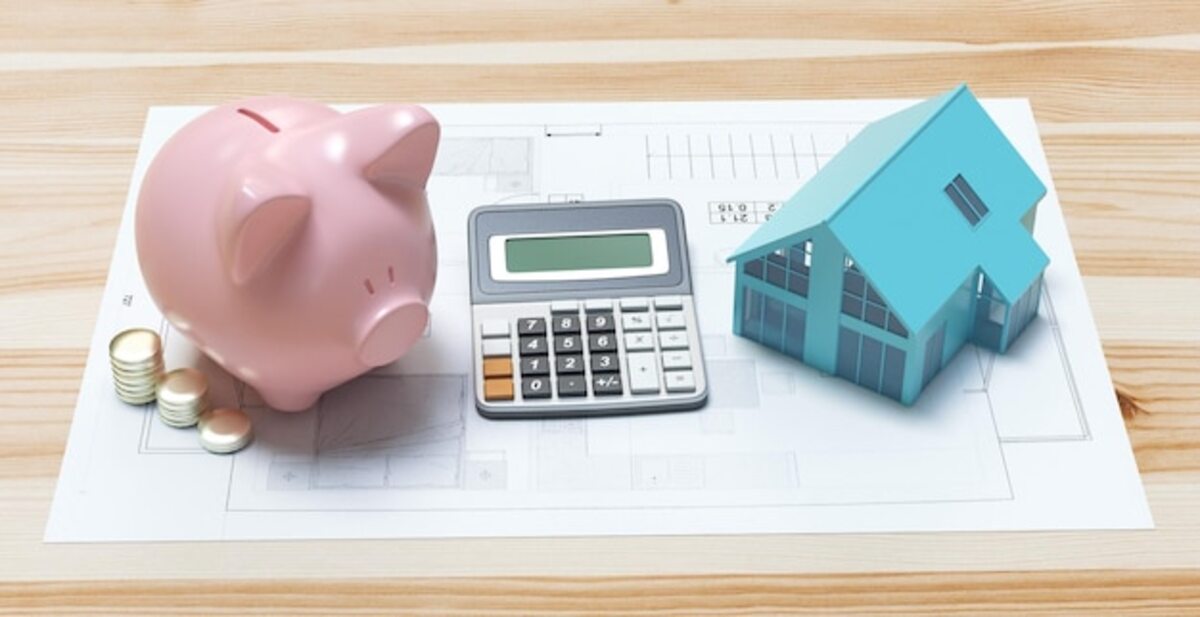
Are you ready to take the big step towards buying your ideal home? This process may seem overwhelming, but understanding the costs involved is key to avoiding unpleasant surprises. From the search for the perfect home to signing the contract, each stage has its own set of expenses that you need to consider. In this article, I will provide you with the essential keys to navigate the buying process with confidence and clarity, ensuring that you make informed decisions at every step of the way.
The importance of establishing a realistic budget.
Establishing a realistic budget is one of the most crucial steps in the process of buying your ideal home. Before you start exploring properties, it is essential to evaluate your finances and determine how much you can spend without compromising your economic stability. This not only includes the cost of the property but also other associated expenses such as taxes, insurance, maintenance, and potential renovations. By having a clear view of your resources, you can focus on properties that align with your capabilities, which will save you time and reduce frustration by eliminating options that are out of your reach.
Additionally, a well-defined budget will help you avoid common pitfalls such as over-indebtedness. Many people underestimate the additional costs of being a homeowner, which can lead to complicated financial situations. A rigorous approach to financial planning will not only provide you with the necessary peace of mind during the buying process but also help you establish clear priorities. This way, you can make informed decisions about which features are truly necessary for you and which are optional, ensuring that every expense is justified and part of a solid long-term investment.
Advertisements
Types of financing available in Costa Rica
When considering the purchase of a home in Costa Rica, it is essential to explore the various financing options available. Among the most common alternatives are mortgage loans offered by banks and financial entities. These loans typically have terms that range from 15 to 30 years, with interest rates that can be fixed or variable. It is crucial to compare the conditions of each institution, as well as the requirements to access these credits, since they may include everything from a thorough analysis of your credit history to the payment of a percentage of the total value as a down payment.
Another viable option is government programs aimed at promoting access to housing. In Costa Rica, there are initiatives that facilitate financing with preferential rates for low-income individuals or for those purchasing their first home. Additionally, some cooperatives offer alternative solutions tailored to local needs, which can result in more accessible conditions and additional benefits. Considering these options will allow you to choose the type of financing that best fits your financial situation and long-term goals, making you feel more secure on your path to acquiring your ideal home.
Hidden costs when buying a home: what you need to know
When embarking on the purchase of your ideal home, it is crucial to keep in mind the hidden costs that are often overlooked. Beyond the sale price, there are additional costs that can quickly add up and affect your budget. For example, notary fees, transfer taxes, and registration fees are just some of the expenses you should anticipate. Additionally, do not forget to consider the cost of necessary inspections to ensure that the property is in suitable condition before finalizing the purchase. These details can make a significant difference in the total investment.
Another important aspect to consider is the recurring expenses associated with being a homeowner. This includes homeowners insurance, property taxes, and maintenance fees if you reside in a condominium or gated community. It is also advisable to set aside a fund for unexpected repairs or future improvements that may arise after you move in. By having a clear and realistic view of all these potential costs, you will be able to better plan your budget and avoid financial surprises that could jeopardize your economic stability after acquiring your new home.
Property value assessment: are you paying the right amount?
The property valuation is a fundamental step in the process of buying your ideal home. Before committing to such a significant investment, it is crucial to determine whether the price you are paying is fair and in line with the market. To do this, you can conduct thorough research on similar properties in the area you are interested in, analyzing factors such as size, features, and the conditions of the environment. Use online tools and consult with real estate agents to obtain updated information that will help you establish a reasonable price range. This will not only allow you to feel confident about your choice but also provide you with solid arguments during the negotiation.
Additionally, considering a professional appraisal can be a smart investment. A certified appraiser can provide you with an independent valuation based on objective criteria and local market comparisons. This can be especially useful if you find a property you love but whose price seems high. By having a detailed report in hand, you can discuss with the seller or their agent about possible price adjustments or request necessary repairs before finalizing the deal. Always remember that buying a home is more than a transaction; it’s about ensuring that you are making a solid financial decision for your future and economic well-being.
Additional costs: insurance, taxes, and maintenance
When purchasing a home, it is essential to keep in mind that costs are not limited to the purchase price. There are various additional costs that can impact your budget and are often overlooked in the initial planning. Among these, insurance stands out, such as homeowners insurance and, in some cases, mortgage insurance, which protect both your investment and your family against unforeseen events. Additionally, property-related taxes and fees associated with the purchase are other expenses you should consider from the beginning of the process.
Maintenance also plays a crucial role in the financial management of your new home. It is important not only to consider the immediate repairs that may arise after the purchase but also the recurring expenses associated with the general upkeep of the house. This includes costs such as utilities, gardening, or cleaning, as well as any improvements or renovations you may wish to undertake in the future. Having a fund set aside for these expenses will allow you to enjoy your new home without unexpected financial worries.
The role of the real estate agent in cost management
The role of the real estate agent in cost management is essential for any buyer looking to make an informed and efficient investment. A good agent not only acts as an intermediary between the buyer and the seller but also provides a detailed analysis of the costs associated with purchasing a home. From initial expenses, such as the deposit and notary fees, to hidden costs that may arise during the transaction, an experienced agent can help identify each of these aspects. Additionally, their knowledge of the local market allows them to offer recommendations on properties that fit your budget without sacrificing your preferences.
Furthermore, the real estate agent plays a crucial role in negotiating prices and terms. With their experience in the field, they can advise you on what a reasonable offer is based on current market comparisons and the specific characteristics of the property. This not only helps you avoid overpaying for a home but also allows you to have clarity about other additional costs that may arise after the purchase, such as taxes or maintenance. Ultimately, having a competent real estate agent not only facilitates the process of acquiring your ideal home but also provides you with peace of mind when managing all the costs involved in this important financial decision.
Strategies to negotiate the price and reduce expenses
Negotiating the price of a home can be one of the most challenging yet rewarding aspects of the buying process. An effective strategy is to thoroughly research the market to understand the real value of similar properties in the area you are interested in. This knowledge will allow you to present a fair yet well-founded offer. Don't hesitate to reach out to an experienced real estate agent who can help you understand market trends and advise you on how to make an attractive proposal without compromising your budget. In addition to negotiating the initial price, there are other expenses you can reduce during the buying process. For example, make sure to review the terms of the mortgage; often, lenders are willing to offer lower rates or cover certain costs if presented with a competitive offer. You might also consider requesting an inspection report before closing the deal; this will give you the opportunity to renegotiate if significant problems are identified in the property, which could result in an adjustment of the final price or repairs covered by the seller. By implementing these strategies, you will not only optimize your investment but also enjoy your new home with greater financial peace of mind.
Advertisements
More in Housing Costs

Finance and Planning, Housing Costs
Where US$200,000 buys a house in Alajuela
Finance and Planning, Housing Costs
Essential tips for evaluating the investment in your new home
Finance and Planning, Housing Costs
Practical guide to avoid mistakes when buying your ideal home.

Finance and Planning, Housing Costs
Tips for choosing the best financing option for your home purchase
Most viewed in Finance and Planning

Finance and Planning, Mortgage Loans
Keys to negotiate better terms on your mortgage

Finance and Planning, Financial Planning
Dollars or colones: where colón buyers face less competition
Finance and Planning, Housing Costs
Where US$200,000 buys a house in Alajuela

Finance and Planning, Insurance
How to choose a home insurance that fits your budget