
Keys to understanding the real cost of your new home in Costa Rica
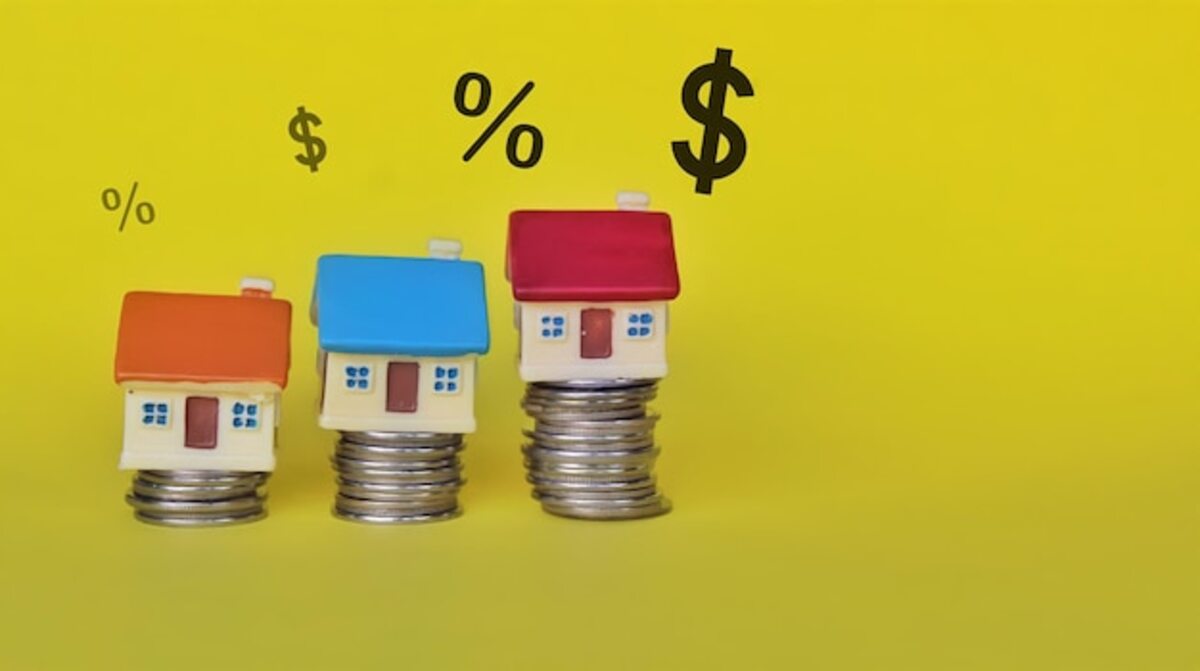
Understanding the true cost of your new home in Costa Rica is essential for a smart and secure investment. Many buyers focus solely on the sale price, but there are multiple factors that can influence the total cost. From taxes to hidden expenses, knowing every aspect will allow you to make more informed decisions and avoid unpleasant surprises. In this article, we will break down the keys so you can calculate what it really means to acquire your ideal home in this beautiful country.
Selling price: beyond the initial number
When considering the selling price of a home in Costa Rica, it is crucial to understand that this initial number does not necessarily reflect the total cost of the investment. Many buyers are drawn to an attractive price, but upon delving into the details, they may discover that there are additional costs that impact their budget. These expenses include everything from deed fees and legal fees to inspection and appraisal costs. Therefore, it is advisable to conduct a thorough analysis and consider all expenses associated with the purchasing process.
In addition to the sale price and direct costs, it is important to consider other factors that can influence the total long-term cost. For example, property tax rates vary by location and can create a significant financial burden over time. Likewise, recurring expenses such as maintenance, utilities, and insurance should be taken into account to gain a complete view of the actual cost. By considering these additional aspects, you will be better prepared to make an informed investment that aligns with your needs and financial expectations.
Advertisements
Taxes and fees associated with the purchase
When purchasing a property in Costa Rica, it is essential to consider the taxes and fees associated with the purchase. One of the main taxes is the Property Transfer Tax, which amounts to 1.5% of the property's value and must be paid at the time of formalizing the transaction. This tax can be a significant expense that many buyers overlook, so it is crucial to include it in your initial budget. Additionally, there is also the property tax, known as "impuesto territorial," which is calculated annually and varies based on the property's cadastral value.
In addition to the mentioned taxes, there are other fees that can influence the total acquisition cost. For example, if you decide to finance your purchase through a mortgage loan, you should consider the bank fees and other administrative charges associated with the process. It is also important to take into account the notarial and registration costs; these are necessary to formalize the deed of the property and ensure its registration in the National Registry. By adding all these additional expenses to the sale price, you can obtain a clearer view of the real cost when buying your new home in Costa Rica.
Closing costs: what should you consider?
The closing costs are a crucial aspect that every buyer must consider when purchasing a home in Costa Rica. These costs include notary fees, registration fees, and other charges related to formalizing the purchase agreement. It is common for buyers to underestimate these expenses, assuming they only need to worry about the sale price, when in fact the closing costs can represent a significant percentage of the total cost. Therefore, it is essential to be informed about the applicable fees and to request a clear breakdown of all expenses involved before finalizing the deal.
Additionally, it is important to consider that some closing costs may vary depending on the location and the value of the property. For example, in certain areas, additional taxes or special fees may apply that could impact your final budget. It is also advisable to consult with a lawyer or real estate professional, who can provide you with guidance on the process and help you avoid common mistakes. Having this information will allow you not only to prepare your finances properly but also to negotiate better terms for your purchase and ensure that there are no surprises on the way to your new home.
Long-term maintenance costs
Long-term maintenance costs are a crucial aspect that is often overlooked when acquiring a home. These expenses not only include periodic repairs and preventive maintenance of the house but also utilities, insurance, and property taxes. In Costa Rica, it is essential to consider the climate and specific environmental conditions of the area where your new home is located, as factors such as humidity or proximity to the sea can significantly increase maintenance costs. Therefore, it is advisable to conduct a thorough assessment before deciding on a property.
Additionally, it's important to keep in mind that over time, certain elements of your home will need replacement or renovation, such as roofs, electrical systems, and plumbing. Investing in the right materials and professional services can become more expensive in the future if these needs are not addressed from the beginning. Therefore, when calculating the true cost of your new home in Costa Rica, be sure to include a budget for these recurring expenses. With proper planning, you can enjoy your home without worrying about unexpected financial surprises.
Public services: a recurring expense not to underestimate
Public services are an essential aspect to consider when calculating the true cost of your new home in Costa Rica. This concept encompasses a variety of services such as water, electricity, garbage collection, and internet, which can vary significantly depending on the location and size of the property. New homeowners often underestimate these recurring expenses, which can lead to financial surprises as they establish their monthly budget. Therefore, it is advisable to research local rates and estimate an average amount for each of these services before making a final decision on the purchase.
Additionally, it is important to keep in mind that some neighborhoods or communities may offer special rates or subsidies for certain utilities, which could influence your choice. Also consider your usual consumption: if you plan to live with a large family or if you work from home and use more electricity and internet, your expenses will be higher. Conducting a detailed analysis will help you not only avoid surprises in your monthly bills but also better plan your overall budget and ensure that your investment is sustainable in the long term.
Necessary insurance when buying a home
When purchasing a home in Costa Rica, it is crucial to consider obtaining insurance that protects your investment and provides peace of mind. One of the most important types is homeowners insurance, which covers structural damage caused by natural phenomena, theft, or accidents. This type of policy not only helps you repair or rebuild your property in case of a loss but may also be a requirement from the bank if you are financing the purchase. Evaluating the coverages and conditions of different insurers will allow you to choose the option that best suits your needs.
Another relevant insurance when buying a home is liability insurance. This type of policy protects the owner against claims for damages to third parties that may occur on their property, such as accidental injuries or damage to others' belongings. Additionally, you might consider insurance against natural disasters, especially if the location of your new home is exposed to risks like floods or earthquakes. Having this insurance not only safeguards your assets but also provides you with greater financial security against unforeseen events that may arise after acquiring your new home.
Legal expenses and professional fees
When purchasing a property in Costa Rica, it is crucial to consider the legal expenses and professional fees that add to the total cost of the transaction. These costs can vary depending on the property's value and the services required. Generally, it is advisable to have a lawyer specialized in real estate to help you navigate the legal process, from contract review to property registration in the Registro Nacional. Legal fees typically range from 1% to 2% of the purchase price, but this percentage may increase if additional services are required or if complications arise during the purchase. In addition to the lawyer's fees, there are other legal expenses that must be considered, such as costs associated with property registration, notary fees, and any applicable taxes that may arise during the process. It is important to request a clear breakdown of all these expenses before closing the deal to avoid financial surprises. Understanding these costs will allow you to adequately plan your budget and ensure that you have enough capital to cover not only the sale price but also all the legal expenses necessary to complete your real estate investment in Costa Rica.
At the end of the day, investing time in researching and obtaining professional advice can make a significant difference in your experience as a buyer. This way, you can have the necessary peace of mind when taking this important step toward your new home.
Financing: options and hidden costs
When considering the purchase of a home in Costa Rica, financing is a crucial aspect that should not be overlooked. There are various options available, from traditional mortgages to financing through cooperatives or private entities. Each option has its own conditions and interest rates, which can significantly affect the total cost of the loan. Therefore, it is essential to research and compare the different alternatives to find the one that best suits your financial needs. Additionally, make sure to understand the terms of the contract and if there are penalties for early repayment or additional costs associated with the financing.
However, beyond interest rates and payment terms, many buyers overlook the hidden costs that can arise during the financing process. These can include administrative fees, mandatory insurance, and notary fees that are essential for formalizing the purchase. It is also important to consider the impact of mortgage insurance if your down payment is less than 20% of the total property value. By adding these hidden costs to the final price of the home and the monthly loan payments, you can gain a clearer view of the true long-term financial cost and avoid unexpected surprises in your budget.
Property valuation: how does it affect your investment?
The valuation of the property is a crucial aspect in the decision-making process when acquiring a home. It not only refers to the price you pay at the time of purchase but also to how that investment can grow or decline over time. Factors such as location, market conditions, and economic trends can significantly affect the value of your property. For example, if you buy in an area that is developing, your investment is likely to increase in value as infrastructure and services improve. On the other hand, investing in areas with high crime rates or a lack of basic services can result in a depreciation of your asset.
Additionally, it is important to consider the expenses associated with the valuation of your property. Improvements and renovations can increase its value, but they also require initial investment and careful analysis to ensure they generate a positive return. Be sure to research the potential for appreciation in the area where you wish to buy; consult with local experts or real estate agents for updated information on trends and forecasts. By understanding how these factors influence the actual value of your new home, you will be better prepared to make an informed choice and maximize your long-term returns.
Financial planning for home purchase
Financial planning is an essential component in the home buying process, as it is not only about gathering enough capital for the down payment but also about having a clear vision of how long-term expenses will be managed. Before venturing into the search for your new home in Costa Rica, it is advisable to conduct a thorough analysis of your personal finances. This includes evaluating your income, monthly expenses, and any other financial obligations you may have. By having a clear picture of your economic situation, you will be able to determine how much you can invest without compromising your financial stability.
It is also essential to consider not only the initial price of the property but also the additional costs that may arise during the purchase and after moving into the property. These can include property taxes, legal fees, insurance, and home maintenance. Creating a realistic budget will allow you to anticipate these expenses and avoid unpleasant surprises in the future. Careful planning can help you identify the best mortgage options and ensure that you meet all the necessary requirements to obtain adequate financing. Remember that an informed investment today can translate into security and peace of mind tomorrow.
Advertisements
More in Housing Costs

Finance and Planning, Housing Costs
Where US$200,000 buys a house in Alajuela
Finance and Planning, Housing Costs
Essential tips for evaluating the investment in your new home
Finance and Planning, Housing Costs
Practical guide to avoid mistakes when buying your ideal home.

Finance and Planning, Housing Costs
Tips for choosing the best financing option for your home purchase
Most viewed in Finance and Planning

Finance and Planning, Mortgage Loans
Keys to negotiate better terms on your mortgage

Finance and Planning, Financial Planning
Dollars or colones: where colón buyers face less competition
Finance and Planning, Housing Costs
Where US$200,000 buys a house in Alajuela

Finance and Planning, Insurance
How to choose a home insurance that fits your budget