
Practical guide to avoid mistakes when buying your ideal home.
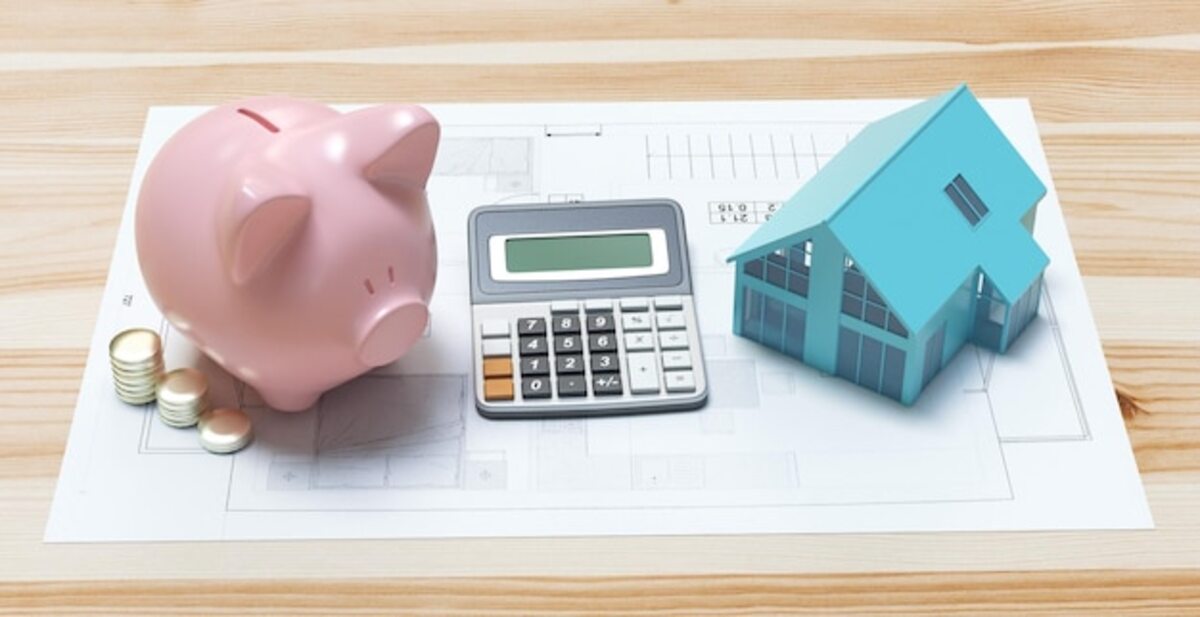
Buying a home is one of the most important decisions you will make in your life, but it can also become a maze filled with hidden costs and financial mistakes. In this practical guide, I will help you avoid common pitfalls that can harm your wallet and your dreams. With clear advice and effective strategies, you will be better prepared to find your ideal home without unpleasant surprises. Get ready to take the next step toward homeownership with confidence!
What are the hidden costs of buying a home?
When buying a home, it is essential to keep in mind that the sale price is not the only cost you will face. There are multiple hidden expenses that can surprise inexperienced buyers. For example, closing costs are a crucial aspect; these include loan processing fees, appraisal fees, and notary expenses. Additionally, it is important to consider title insurance and government fees related to the transaction. All these elements can add up to thousands of dollars to the total cost of the purchase and should be contemplated in your initial budget to avoid unpleasant surprises.
Another aspect to consider is the expenses associated with home maintenance once you become a homeowner. This includes everything from property taxes to insurance, as well as unexpected costs for repairs or necessary improvements. Additionally, don't forget to account for association fees if your new home is in a residential development or condominium, as these monthly charges can significantly impact your long-term finances. By being aware of these hidden costs and planning accordingly, you can make more informed decisions and fully enjoy your new home without extra financial worries.
Advertisements
The importance of setting a realistic budget.
Establishing a realistic budget is essential in the home buying process, as it allows you to have a clear view of what you can truly afford. Many people make the mistake of getting carried away by their desires and expectations, ignoring their current financial situation. A well-defined budget not only includes the price of the home but also other associated costs such as taxes, insurance, maintenance expenses, and potential renovations. By taking all these elements into account, you can avoid surprises that could destabilize your finances in the long term.
Additionally, a solid budget will help you filter the right properties for you, allowing you to focus on options that fit your actual financial capabilities. This not only saves time and effort in the house search but also reduces the emotional pressure that can arise when considering options beyond your financial reach. With a disciplined and conscious approach to your finances, you will be better equipped to make informed and sound decisions throughout the buying process.
Finally, it is important to remember that unforeseen events can occur at any time; therefore, keeping an additional margin within your budget can provide you with greater peace of mind. Having this financial cushion will ensure that you can cover unexpected expenses without jeopardizing your economic stability. In summary, establishing a realistic budget is the foundation upon which you will build not only the acquisition of your ideal home but also a healthy and sustainable financial life from that moment on.
How to choose the right mortgage: fixed vs. variable rates.
Choosing the right mortgage is a crucial step in the process of purchasing your ideal home, and one of the most important decisions you will have to make is whether to opt for a fixed or variable rate. Fixed-rate mortgages offer you the peace of mind of knowing that your monthly payments will remain constant over time, regardless of market changes. This can be especially advantageous if you plan to stay in your home for many years, as you can protect yourself against potential increases in interest rates. However, these mortgages typically have higher initial rates compared to variable ones. On the other hand, variable-rate mortgages may seem attractive initially due to their lower rates at the beginning of the loan. This can allow you to access a home that better fits your budget in the short term. However, it's important to keep in mind that these rates can fluctuate over time, meaning your payments could increase significantly if market conditions change. Therefore, it is essential to evaluate not only your current financial expectations but also your risk tolerance and the expected duration of your stay in the home before making this critical decision.
Additional expenses: insurance, maintenance, and more.
When buying a home, it is crucial to not only consider the purchase price but also the additional expenses that may arise over time. Insurance is one of these costs that is often overlooked. From homeowners insurance to mortgage insurance, these can represent a significant percentage of your monthly expenses. Be sure to research different options and compare prices to find the best coverage that fits your needs and budget. Don't forget to review the conditions and clauses, as they could influence your future financial situation.
In addition to insurance, regular maintenance of the property is an unavoidable expense that must be considered in your financial planning. Unexpected repairs, such as electrical issues or roof leaks, can arise at any time and be costly if not anticipated. It is advisable to establish a maintenance and repair fund with at least 1% of the home’s value annually. This way, you will be prepared to face any eventuality without compromising your financial stability or affecting your long-term plans. Also consider other expenses such as property taxes and community fees; all of these contribute to the total cost of homeownership.
The relevance of location in long-term costs.
The location of a home is a determining factor not only in the purchase price but also in long-term costs. When choosing a neighborhood, it is essential to consider aspects such as proximity to essential services, schools, public transport, and recreational areas. These features directly influence quality of life and can affect your monthly budget. For example, living near good schools can increase the resale value of your property, while choosing an area with high crime rates could result in additional costs due to higher insurance premiums or even a decrease in the value of your investment.
Additionally, decisions about location also impact future expenses related to maintenance and tax rates. Some areas may have higher property taxes due to their popularity or demand, resulting in a higher annual outlay. Likewise, if you choose to live in a region with less developed infrastructure, you may face additional costs for transportation or utilities. Therefore, it is crucial to evaluate not only the initial price of the housing but also how the chosen location will affect your finances over time. A careful analysis can help you avoid unpleasant surprises that jeopardize your dreams of stability and financial well-being.
Tips for negotiating the sale price.
Negotiating the sale price of a home may seem intimidating, but with the right strategy, you can reach an agreement that fits your budget. Before starting negotiations, it is essential to research the real estate market in the area where you want to buy. Knowing the prices of similar properties will give you a solid foundation to argue your offer. Additionally, make sure to identify any defects or issues you may find in the property; these details can be used as negotiation points to request a lower price or even to ask for repairs before closing the deal.
Another key piece of advice is to maintain open and respectful communication with the seller or their agent. Negotiation doesn't have to be a confrontation; on the contrary, it establishes a collaborative environment where both parties can express their needs and concerns. Don't hesitate to make reasonable offers based on your previous findings and always keep your maximum limit in mind. Finally, consider including additional conditions in your offer, such as flexible financing or the desired closing date, which could make your proposal more attractive without compromising too much on the final price.
Inspections: why you should not skip this crucial step.
When you are in the process of buying a home, it’s easy to get carried away by the excitement of finding the perfect place to live. However, one of the most important steps that you should not overlook is the inspections. This process involves thoroughly reviewing the property to identify potential problems that could turn into costly repairs in the future. From leaks and structural issues to faulty electrical and plumbing systems, a proper inspection can save you thousands of dollars and headaches in the long run. Don't forget that many times what seems like an ideal home may hide unpleasant surprises behind its walls.
Additionally, conducting a thorough inspection gives you a significant negotiating advantage. If defects are discovered during the inspection, you can use this information to renegotiate the price or ask the seller to make repairs before closing. This not only allows you to move into your new home with the peace of mind that everything is in order, but it also protects your long-term investment. Remember, skipping this crucial step could lead to unexpected expenses and future frustrations; therefore, always ensure to include it in your checklist before making the final decision about your future home.
Post-purchase financial planning: maintaining economic control.
Post-purchase financial planning is a crucial aspect that is often overlooked when buying a home. Once you have closed the purchase, it is essential to establish a clear budget that includes not only the cost of the mortgage but also additional expenses such as taxes, insurance, maintenance, and repairs. It is advisable to create a specific emergency fund for the home; this way, you will be prepared for unexpected events that may arise and avoid falling into financial troubles that could jeopardize your financial stability.
Additionally, maintaining a rigorous economic control will allow you to assess whether you are meeting your long-term financial goals. Consider conducting periodic reviews of your income and expenses related to your home, as well as adjusting your plan according to any changes in your economic situation. By doing so, you will be able to make informed decisions about future investments or modifications to your property, ensuring that your home remains a valuable asset and not a financial burden. In this way, you will enjoy your new home without excessive worries and be better prepared to face any financial challenges that may arise along the way.
Advertisements
More in Housing Costs

Finance and Planning, Housing Costs
Where US$100,000 buys a lot in Guanacaste

Finance and Planning, Housing Costs
Where US$200,000 buys a house in Alajuela
Finance and Planning, Housing Costs
Essential tips for evaluating the investment in your new home

Finance and Planning, Housing Costs
Strategies to secure the best deal on your new home
Most viewed in Finance and Planning

Finance and Planning, Mortgage Loans
Keys to negotiate better terms on your mortgage

Finance and Planning, Financial Planning
Dollars or colones: where colón buyers face less competition

Finance and Planning, Mortgage Loans
Strategies to optimize your long-term mortgage payment
Finance and Planning, Housing Costs
Where US$100,000 buys a lot in Guanacaste