
Tips for ensuring a home purchase without financial risks
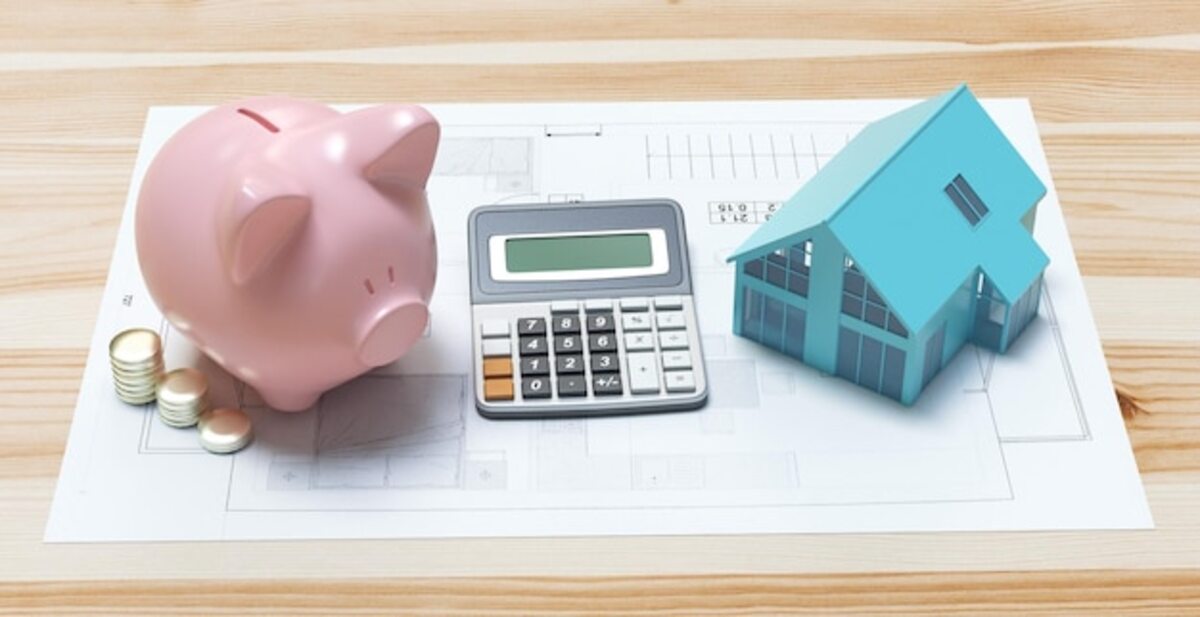
Are you ready to take the big step towards purchasing your new home? Ensuring that this investment does not become a financial burden is crucial. In this article, you will discover practical tips and effective strategies to ensure that your buying process is secure and free from unpleasant surprises. From assessing your finances to negotiating like an expert, we will provide you with essential tools to make informed decisions and avoid unnecessary risks on the path to your ideal home.
Assess your current financial situation.
To begin your journey towards buying a home, it is essential to conduct a thorough assessment of your current financial situation. This involves reviewing your income, expenses, and savings to have a clear view of your payment capacity. Consider creating a detailed budget that includes not only the direct costs of the mortgage but also other associated expenses such as taxes, insurance, and maintenance. Having a complete picture will allow you to determine how much you can afford to spend without compromising your economic stability.
It is also advisable to check your credit history before starting the purchasing process. A good credit score will not only open the doors to better interest rates, but it will also provide you with greater flexibility in the financing options available. If you find any errors in your credit report or if there are areas that need improvement, address these issues in a timely manner to ensure you are in the best possible position when applying for a mortgage. Carefully evaluating your finances is the first crucial step to ensure that your home purchase is a positive and sustainable long-term investment.
Advertisements
Set a realistic budget
Establishing a realistic budget is one of the most important steps before embarking on the purchase of a home. To do this, start by assessing your monthly income and fixed expenses, including existing debts, utilities, and other financial commitments. This analysis will allow you to determine how much you can allocate each month to the mortgage without jeopardizing your economic stability. Remember that, in addition to the price of the home, you should consider additional expenses such as taxes, insurance, and maintenance. A meticulous approach will help you avoid unpleasant surprises in the future.
Once you have clarity about your financial situation, it is essential to set a clear limit on the cost of the housing you wish to acquire. This limit should be attainable and align with your long-term goals, ensuring that you do not compromise your financial well-being for a momentary desire. Keep in mind that it is also advisable not to spend more than 30% of your monthly income on the mortgage payment. By establishing a realistic budget from the beginning, you will be able to negotiate better and make informed decisions throughout the buying process, which is essential to ensure a safe and sustainable investment in your new home.
Research the local real estate market.
Researching the local real estate market is a fundamental step to ensure a risk-free home purchase. Start by analyzing price trends in the area you are interested in, as these can vary significantly from one neighborhood to another. Use online tools and local resources, such as real estate reports and sales statistics, to gain a clear understanding of the average cost per square meter and how the market has performed in recent years. This will help you establish a realistic budget and allow you to identify if a property is fairly priced or if it is inflated.
Also, do not underestimate the importance of knowing the characteristics of the area where you want to buy. Research the quality of schools, the availability of basic services such as public transportation and nearby commerce, as well as the safety of the neighborhood. These factors not only affect your quality of life but also the long-term value of your real estate investment. By having a comprehensive understanding of the local environment, you will be able to make more informed decisions that will protect your finances and ensure that your new home is truly a safe and satisfying place.
Consider the hidden costs associated with the purchase.
When purchasing a home, it is essential not to limit yourself solely to the purchase price. There are hidden costs that can arise and, if not considered, can significantly impact your budget. For example, expenses related to property appraisal, attorney fees, property taxes, and insurance are just a few items that add to the initial investment. Additionally, maintenance and future repair costs should be part of your calculations; a house may require renovations or unexpected repairs at any time.
Another important aspect is the cost of financing if you decide to opt for a mortgage loan. Interest rates and additional fees can vary significantly between different banking institutions. It is crucial to read the terms of the contract carefully and use tools like calculators to estimate the monthly payments you will have to make over time. This way, you can have a clearer view of the long-term financial impact and avoid unpleasant surprises that could turn your dream of homeownership into a difficult economic burden.
Prequalification and approval of mortgage loans
The prequalification and approval of mortgage loans are fundamental steps in the home buying process. Before you start looking for your ideal home, it is advisable to approach a lender for prequalification. This involves providing basic information about your income, debts, and assets, which will allow the lender to determine how much money they are willing to lend you. This process will not only give you a clear idea of your budget but will also help you avoid disappointment when searching for properties that are beyond your financial reach. Once you are prequalified, you can proceed with confidence knowing that you have the necessary financial backing.
Once you find the right property, the next step is the formal approval of the mortgage loan. This stage requires more detailed documentation and thorough analysis by the lender. It is crucial to prepare all the necessary documentation in advance, including tax returns, proof of income, and financial statements. Loan approval can take time, and it is important to maintain good communication with your lender during this process to resolve any issues quickly. By ensuring that you are well-informed and prepared at each stage, you can minimize financial risks and get closer to the successful purchase of your new home.
Importance of property inspection
The property inspection is a crucial step in the home buying process, as it helps identify hidden issues that could lead to costly repairs in the future. A detailed report on the structural, electrical, and plumbing condition of the house will give you a clear understanding of what you are acquiring. Ignoring this stage can lead to unpleasant surprises, such as leaks, infestations, or structural damage that is not immediately visible. Therefore, investing in a professional inspection is a wise decision to protect your investment.
Additionally, conducting a thorough inspection not only helps you avoid unexpected expenses, but it can also strengthen your position during negotiations with the seller. If significant issues are detected, you can request repairs before closing the deal or even renegotiate the price to reflect the necessary costs to put the property in good condition. This way, you ensure that you make informed decisions and avoid unnecessary financial risks that could affect your economic stability in the future. In summary, the importance of the inspection lies in its ability to provide you with peace of mind and confidence as you take this significant step toward your new home.
Effective negotiation with vendors
Effective negotiation with sellers is a crucial step in the home buying process that can make the difference between an excellent investment and a financial burden. When approaching negotiation, it is essential to be well-informed about market conditions. Knowing the average price of similar properties in the area will give you a solid foundation to discuss and argue your offer. Additionally, it is advisable to establish a clear budget before starting negotiations, which will allow you to stay firm and avoid unexpected expenses.
Another key aspect in negotiation is building a cordial relationship with the seller or their representative. Showing genuine interest in the property and establishing an open dialogue can make the seller more willing to consider your proposals. Don't hesitate to ask questions about the house, such as its general condition or the reasons for selling; this will not only provide you with valuable information but also help create an atmosphere of trust. Finally, remember that being flexible on some terms—such as closing dates or minor repairs—can facilitate the agreement and result in more favorable conditions for both parties.
Insurance options to protect your investment
When purchasing a home, it is essential to consider the different insurance options that can protect your investment and provide you with peace of mind against unforeseen events. One of the most important is homeowners insurance, which covers property damage due to causes such as fires, theft, or natural disasters. This type of policy not only protects your material investment but can also include liability coverage, which is essential if someone is injured on your property. Be sure to review the coverages and exclusions to customize the insurance according to your specific needs.
In addition to homeowner's insurance, it is advisable to explore mortgage insurance if you make a low down payment. This type of coverage protects the lender in case you cannot meet the loan payments. You may also consider title insurance, which ensures that the property title is free of liens or legal issues prior to the purchase. Making informed decisions about these insurances will allow you to face any eventuality with greater security and confidence, thus ensuring that your dream of homeownership remains a valuable investment rather than a source of financial stress.
Long-term planning: maintenance and future expenses
Long-term planning is a fundamental aspect of buying a home that many people often overlook. It's not just about finding the ideal house and making the down payment; it’s essential to consider the future expenses that may arise over time. This includes not only the monthly mortgage payments but also the costs associated with home maintenance, such as repairs, upgrades, and utilities. Creating a detailed budget that accounts for these expenses can help you avoid unpleasant surprises that could jeopardize your financial stability in the future.
It is also advisable to establish a reserve fund specifically designated for unforeseen housing-related issues. This fund can be crucial for covering urgent repairs or unexpected expenses, such as storm damage or problems with electrical and plumbing systems. By having this foresight, you ensure that your investment is not threatened by situations beyond your control. Remember that good long-term planning not only protects your investment but also gives you peace of mind knowing that you are prepared to face any financial challenges related to your new home.
Advertisements
More in Housing Costs

Finance and Planning, Housing Costs
Where US$200,000 buys a house in Alajuela

Finance and Planning, Housing Costs
Essential tips for evaluating the investment in your new home
Finance and Planning, Housing Costs
Practical guide to avoid mistakes when buying your ideal home.

Finance and Planning, Housing Costs
Tips for choosing the best financing option for your home purchase
Most viewed in Finance and Planning

Finance and Planning, Mortgage Loans
Keys to negotiate better terms on your mortgage

Finance and Planning, Financial Planning
Dollars or colones: where colón buyers face less competition
Finance and Planning, Housing Costs
Where US$200,000 buys a house in Alajuela

Finance and Planning, Insurance
How to choose a home insurance that fits your budget