
Tips to ensure a home purchase that boosts your investment
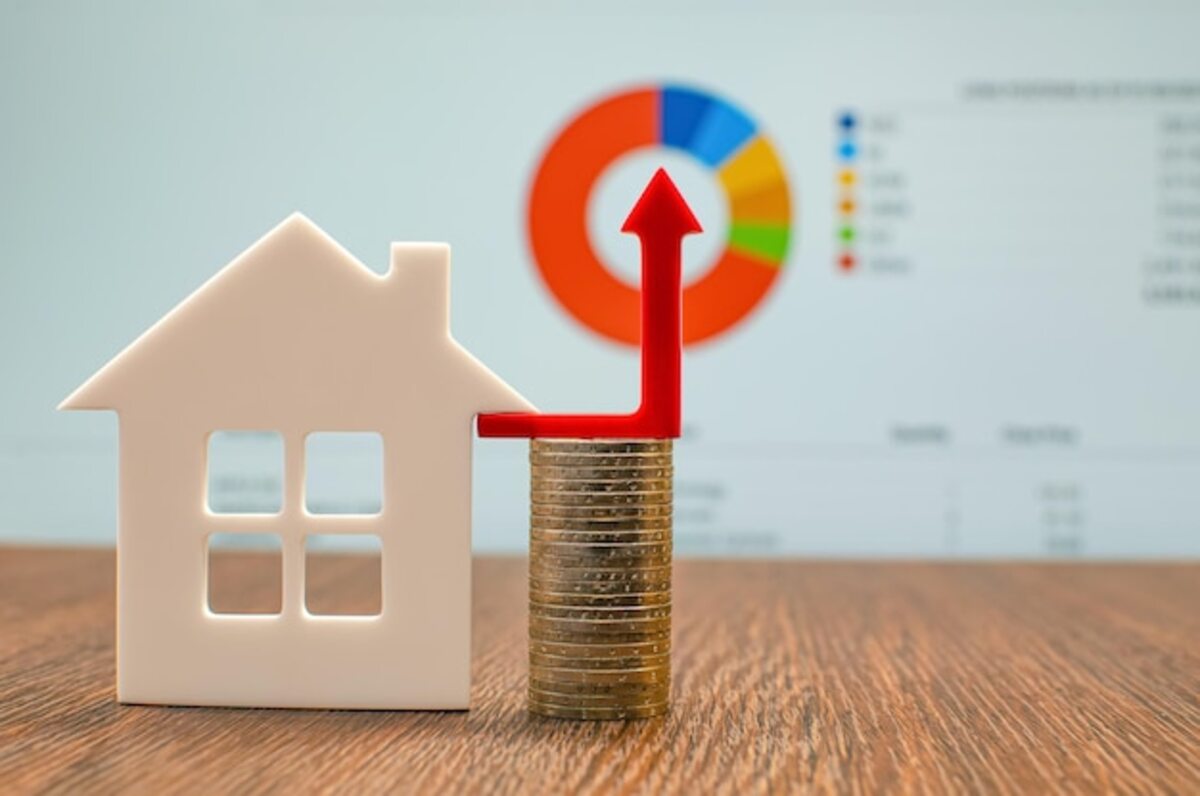
Securing a home purchase is one of the most important decisions in anyone's financial life. In Costa Rica, where the real estate market presents both opportunities and challenges, it is crucial to have strategies that maximize your investment. This article will provide you with practical tips for navigating housing costs and ensuring that your acquisition is not only a home but also a valuable long-term asset. Get ready to make informed decisions and enhance your financial future.
Understand the Costa Rican real estate market
Understanding the Costa Rican real estate market is essential for anyone looking to make a home purchase. This market is characterized by its diversity, from properties in the vibrant capital, San José, to options in coastal and rural areas. Each region presents its own dynamics of supply and demand, as well as prices that can vary significantly. Familiarizing yourself with these characteristics will allow you to identify the most promising areas for investment and set realistic expectations about the costs associated with purchasing a property.
It is also essential to stay informed about local market trends. Factors such as infrastructure development, tourism projects, or changes in legislation can influence property values. Conducting research on the area where you plan to buy your home will give you a competitive advantage when negotiating. Make sure to consult recent statistics on sales and prices per square meter, as well as economic forecasts that may affect the real estate sector in the future. With this information, you will be able to make informed decisions that not only support your desire to have a home but also your goal of making a solid and profitable investment.
Advertisements
Assess your personal finances before making a purchase.
Before embarking on the exciting adventure of buying a home, it is essential to conduct a thorough analysis of your personal finances. This involves reviewing your income, expenses, and savings to determine how much you can allocate to the purchase without compromising your financial stability. Consider creating a detailed budget that includes not only the price of the property but also other associated costs such as taxes, insurance, maintenance, and potential repairs. By having a clear picture of your financial situation, you can establish a realistic price range that allows you to look for properties that fit your economic possibilities.
It is also advisable to assess your ability to take on debt and calculate the possible financing available if you plan to apply for a mortgage loan. Be sure to review your credit history, as this will influence the interest rates you receive and the terms of the loan. Maintaining a good credit score can result in significant savings in the long run. In summary, taking the time to understand and organize your personal finances will not only help you make better decisions when buying a home but also allow you to approach this process with greater confidence and peace of mind.
Consider the location: key to the revaluation
When acquiring a home, location is one of the most determining factors that will influence its appreciation over time. A growing neighborhood or an area with developing infrastructure can offer significant potential for increasing the value of your property. For example, if you decide to invest in areas where new schools, shopping centers, or public transportation are being planned, you are likely to experience an increase in demand and, consequently, in the price of your home. Additionally, locations close to essential services like hospitals and parks are usually more attractive to future buyers.
Moreover, considering the safety and quality of life in the area also plays a crucial role. Areas with low crime rates and good school ratings are highly sought after by young families and professionals, which can translate into greater stability in the local real estate market. A vibrant community with additional cultural and recreational activities not only enhances your experience as a resident but also adds value to your investment. Therefore, before closing any deal, research the demographic and social characteristics of the area; this will allow you to make a more informed choice that will benefit your assets in the long term.
Research the hidden costs in purchasing.
When considering the purchase of a home, it is essential to look beyond the initial sale price and pay attention to the hidden costs that may arise during the process. These additional expenses, which often go unnoticed at the beginning, can include closing fees, property taxes, maintenance costs, and inevitable repairs. Additionally, you may need to consider fees for real estate agents or legal services. Creating a detailed breakdown of these potential expenses will give you a clearer view of the true cost of your investment and help avoid unpleasant surprises in the future.
Another important aspect to investigate is the costs related to housing financing. Interest rates, credit opening fees, and mortgage insurance are just a few examples that can significantly influence your monthly payments. It is also advisable to check for any restrictions or penalties associated with early loan payments. By understanding all these elements, you will be better able to assess whether the property fits your long-term budget and make decisions that maximize your chances of profitability in the Costa Rican real estate market.
Analyze the trends of the local market.
When analyzing local market trends, it is essential to pay attention to factors that may influence property value over time. This includes the demand and supply of housing in different areas, as well as the development of nearby infrastructure, such as schools, hospitals, or shopping centers. Researching which neighborhoods are growing and which are stagnating will allow you to identify opportunities for a safe investment. Additionally, consider the price evolution in recent years; an area with sustained growth may indicate that your investment will be profitable in the future.
Another key aspect is to observe the changing preferences of buyers in your locality. For example, with the rise of remote work, many people are looking for properties that offer suitable spaces for home offices or large outdoor areas. Analyzing these patterns will help you make more informed decisions about the type of housing you should acquire. Don't forget to also pay attention to broader economic factors, such as interest rates and government policies that may affect access to financing or incentives for purchasing properties. Staying informed about these trends not only better prepares you for negotiation but can also position you favorably against other investors in the market.
The importance of a good technical inspection
The technical inspection of a property is a crucial step in the buying process, as it provides a clear view of the actual condition of the property. Often, buyers are drawn to aesthetics and superficial features, overlooking critical aspects that can compromise their long-term investment. A detailed report conducted by a qualified inspector can reveal hidden issues, such as structural damage, pests, or faulty electrical systems. Identifying these problems before closing the transaction not only allows you to negotiate repairs or adjustments in price but also prevents costly surprises after the purchase.
Additionally, a good technical inspection not only protects your initial investment but also provides peace of mind regarding your new home. By understanding the actual conditions of the property, you can adequately plan for future improvements or necessary maintenance. This is especially relevant in a dynamic market like Costa Rica, where weather conditions can affect certain structural aspects over time. So remember: a well-informed investment starts with a thorough assessment; ensuring that you are acquiring not just a place to live but also a safe and sustainable investment for your financial future.
Negotiate the price: effective tactics
Negotiating the price of a home can be an art, but with the right tactics, it can become a science that maximizes your investment. Start by researching the local market; knowing the prices of similar properties in the area will give you a significant advantage when making an offer. Additionally, it is helpful to be aware of how long the property has been on the market. If it has been a considerable amount of time, this could indicate that the seller is more willing to negotiate and accept lower offers.
Another effective strategy is to build a friendly relationship with the seller or their agent. Showing genuine interest in the property and understanding their motivations for selling can lead to more flexible conversations about the price. Don’t hesitate to ask questions about any aspects that concern you; this will not only demonstrate your interest but also allow you to identify areas where you could justify a price reduction. Always remember to remain firm yet reasonable in your proposals to reach a mutually beneficial agreement.
Learn about the different types of financing available.
When considering the purchase of a home in Costa Rica, it is essential to familiarize yourself with the different types of financing available. There are options that cater to various needs and economic profiles. From conventional mortgages to financing through cooperatives, each modality has its advantages and disadvantages. Fixed-rate mortgages offer stability in interest rates, which can be beneficial for those who prefer a predictable monthly payment. On the other hand, variable-rate mortgages may start with lower rates but carry the risk of future increases. It is crucial to assess your financial situation and long-term goals to choose the type of financing that best fits your requirements.
In addition to conventional financing, there are government programs and subsidies that facilitate access to housing for certain population groups, such as low-income families or first-time buyers. Learning about these opportunities can result in more favorable financial conditions and reduce the total cost of the purchase. It is also advisable to consult with financial advisors or real estate agents who can provide you with updated information on the best options available in the market. By knowing all these alternatives, you will be able to make informed decisions that maximize your investment and bring you closer to your ideal home without compromising your future economic stability.
Plan for the long term: is it a purchase or an investment?
Planning for the long term when purchasing a home involves considering not only the immediate cost of the property but also its potential as an investment. It is essential to evaluate factors such as location, market trends, and urban development in the area. A good purchase can become an asset that appreciates in value over time, providing not only a place to live but also a source of passive income if you decide to rent it out in the future. Therefore, reflect on how your personal and financial goals align with this acquisition.
Additionally, it is important to consider the additional costs associated with purchasing a home, such as taxes, insurance, and maintenance. Each of these factors can significantly impact your long-term return on investment. By planning appropriately and understanding that a home should be viewed both as a residence and a financial investment, you can make more informed decisions that will allow you to maximize your capital and secure a stronger future. Remember that every decision counts and that careful planning today can translate into significant benefits tomorrow.
Consult with experts to make informed decisions.
Consulting with experts is a fundamental step in the home buying process. Real estate agents, architects, and financial advisors not only have a deep understanding of the local market, but they can also provide you with valuable insights into current and future trends. By considering their opinions, you can avoid costly mistakes and make a more informed choice. Furthermore, these professionals can help you identify properties that fit your needs and budget, ensuring that your investment is truly right for you.
Do not underestimate the importance of conducting due diligence when considering professional advice. Before making critical decisions, such as making an offer on a property or choosing financing, it is advisable to discuss your options with an expert who has proven experience in the area. This will not only give you confidence in your choice but also allow you to anticipate potential challenges or hidden benefits associated with the property. Remember that investing in advice today can save you time and money tomorrow, turning your purchase into a truly informed and strategic decision.
Advertisements
More in Housing Costs

Finance and Planning, Housing Costs
Where US$200,000 buys a house in Alajuela

Finance and Planning, Housing Costs
Essential tips for evaluating the investment in your new home
Finance and Planning, Housing Costs
Practical guide to avoid mistakes when buying your ideal home.

Finance and Planning, Housing Costs
Tips for choosing the best financing option for your home purchase
Most viewed in Finance and Planning

Finance and Planning, Mortgage Loans
Keys to negotiate better terms on your mortgage

Finance and Planning, Financial Planning
Dollars or colones: where colón buyers face less competition
Finance and Planning, Housing Costs
Where US$200,000 buys a house in Alajuela

Finance and Planning, Insurance
How to choose a home insurance that fits your budget