
Tips to secure your investment in purchasing a home
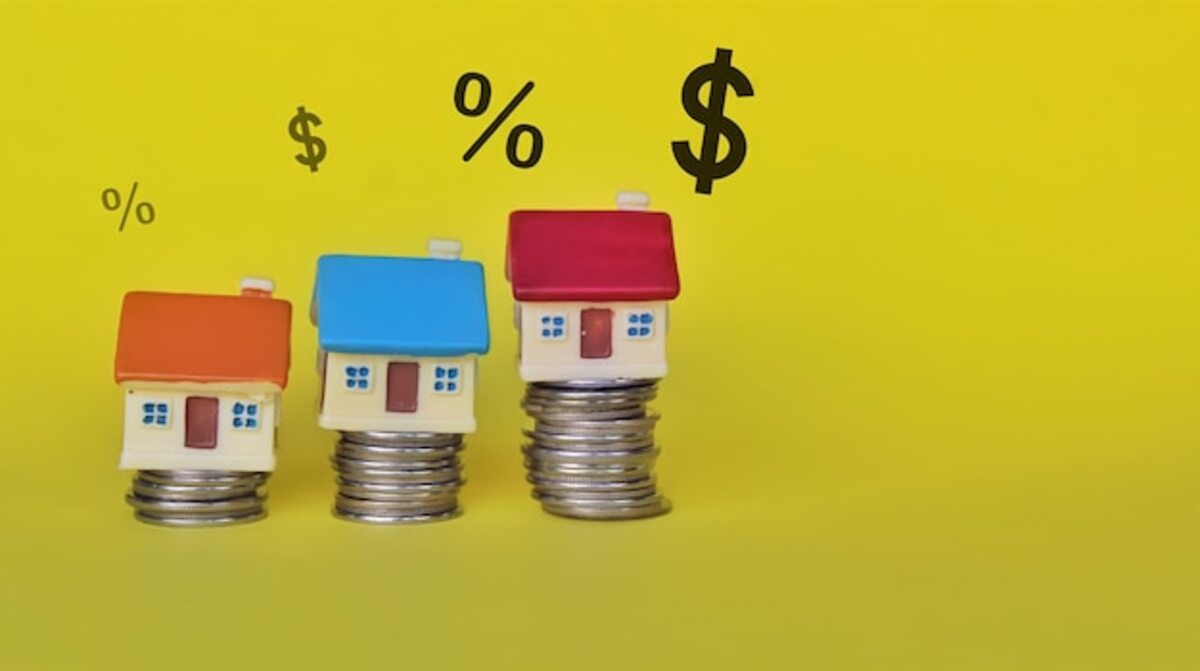
Securing your investment in real estate is crucial to ensure a solid financial future. In a market as dynamic as the Costa Rican one, it is essential to make informed decisions that maximize the value of your property and minimize associated risks. This article will provide you with practical and effective tips so you can navigate housing costs with confidence and strategy. Get ready to become a smart real estate investor!
Understand the Costa Rican real estate market: trends and projections
Understanding the Costa Rican real estate market is essential for anyone looking to invest in property. In recent years, we have observed a steady increase in housing demand, driven by factors such as the rise in tourism and the influx of expatriates seeking to settle in the country. This trend has had a significant impact on property prices, especially in coastal and urban areas. Therefore, staying informed about current trends will allow you to identify investment opportunities that could offer good long-term returns.
Additionally, it is important to pay attention to future market projections. Government policies, as well as investments in infrastructure and urban development, can significantly influence property values. Sustainable urban planning and projects that improve quality of life are also key indicators to monitor. By conducting a comprehensive analysis of the economic and social environment of Costa Rica, you will be able to make more informed decisions about when to buy and what type of property to acquire, thus ensuring a safer and more profitable investment for your financial future.
Advertisements
Accurately assess the property value.
Correctly assessing the property's value is a fundamental step in the purchasing process. Before making any offers, it is crucial to research and analyze the local market. This includes studying recent price trends, understanding the demand in the area, and considering specific features that may influence the value, such as proximity to schools, utilities, and recreational areas. Using tools like sales comparables and consulting with real estate experts will give you a clearer perspective on whether you are making a fair investment or if you might be overpaying.
Additionally, you should not only focus on the current price of the property but also on its potential for appreciation. It is advisable to observe factors that could affect its long-term appreciation, such as planned infrastructure projects or changes in zoning regulations. By evaluating these aspects, you can make more informed decisions that not only protect your initial investment but also maximize your chances of return when you decide to sell in the future. Remember that a thorough assessment can be the difference between a successful purchase and a missed opportunity.
Consider hidden costs when buying a house
When buying a house, it is essential to consider not only the sale price but also the hidden costs that can significantly impact your long-term investment. These additional expenses may include closing costs, property taxes, insurance, and maintenance costs that are often overlooked in the buying process. For example, many people are surprised to discover that the costs associated with moving, repairs, or even aesthetic improvements can add a considerable percentage to the initial budget. Creating a detailed and realistic breakdown of these costs will allow you to make more informed decisions and avoid unpleasant surprises.
In addition to immediate expenses, it is important to consider the future financial implications that may arise as you become a homeowner. The costs of regular maintenance, such as utilities and unexpected repairs, should be part of your financial planning. Likewise, if the property is located in an area with high tax rates or special assessments for local infrastructure, this can affect your long-term finances. By evaluating these factors from the beginning of the buying process, you can ensure that your investment is not only financially viable today but also sustainable in the future.
The importance of a good location: more than just a whim
The location of a home is a determining factor that impacts not only the quality of life of its inhabitants but also the long-term resale value. Choosing a property in an area with access to essential services like schools, hospitals, and public transportation can make the difference between a successful investment and a disappointing one. Additionally, areas with projections for future development often offer greater opportunities for capital appreciation, making knowledge of the surroundings a valuable tool for any buyer. By prioritizing location, you are investing not only in a home but also in your financial future.
Another fundamental aspect related to the location is the social and economic environment of the area. Well-established communities tend to attract more potential buyers and can offer greater stability in property prices. Researching safety, community development, and demographic trends can provide crucial information for making an informed choice. It's not just about finding a nice place; it's about identifying a space where you can see your investment grow over time. By considering these elements, you will be better prepared to make a choice that benefits both your present and your financial future.
Smart financing: choosing the best credit option
Choosing the right financing option is one of the most important decisions you'll make when buying a home. With the wide range of credit products available, from traditional mortgages to more innovative options like adjustable-rate loans or direct financing with developers, it's essential to evaluate each alternative based on your needs and financial capabilities. Research the interest rates, fees, and terms offered by different financial institutions, and don't hesitate to compare to find the option that best suits your profile. Smart financing can make it easier for you to purchase your home without compromising your economic stability.
Also, consider the possibility of negotiating with lenders. Many times, you can obtain better terms simply by stating your needs and comparing offers. It is important to be clear about your personal budget and not exceed it; excessive credit can become a burden in the long term. Also, evaluate if you can make a larger down payment, as this could significantly reduce the loan amount and the interest accrued during its term. Remember that a well-informed decision today can make the difference between a financial burden in the future and a profitable investment in real estate.
Property inspection: preventing unpleasant surprises
The property inspection is a crucial step in the home buying process that is often overlooked. Before closing a deal, it is essential to conduct a thorough review of the property to identify potential structural issues, hidden damages, or defects that could affect not only your investment but also your quality of life. Having a professional inspector will provide you with an objective and detailed assessment of the property's condition, allowing you to make informed decisions and negotiate more favorable terms if issues arise.
Additionally, a proper inspection can provide you with peace of mind knowing that you are acquiring a home in optimal condition. While it may seem like an additional expense in the buying process, investing in this service can save you significant costs in the long run by avoiding unpleasant surprises after the purchase. Remember that every detail matters; from electrical systems to plumbing installations. Prevention is better than regret, so make sure to include this step in your plan to secure your real estate investment with confidence and responsibility.
Stay informed about changes in laws and regulations
Staying informed about changes in laws and regulations is an essential part of the home buying process. The regulations governing the real estate sector can change frequently, affecting aspects such as ownership, taxes, and homeowners' obligations. It is important to be aware of any modifications that may influence your investment. This will not only allow you to comply with established regulations but also help you avoid unpleasant surprises that could jeopardize your long-term assets.
Additionally, knowing local laws can provide you with competitive advantages when negotiating or deciding on improvements to your property. Being informed empowers you to take advantage of government incentives, such as subsidies or financing programs, that can facilitate the acquisition or renovation of your home. It is also advisable to follow specialized publications and attend seminars or talks related to the real estate market and current legislation, which will allow you to build a network of contacts and share valuable information with other investors. In this way, you not only protect your investment but also optimize its value in a changing environment.
Strategies to increase long-term resale value
To increase long-term resale value, it is essential to focus on improvements that not only beautify your home but also add functionality and efficiency. Investing in renovations that optimize space, such as updating kitchens and bathrooms, can provide a significant return. Additionally, consider incorporating sustainable features, such as solar panels or rainwater harvesting systems. These additions are not only appealing to environmentally conscious buyers but can also result in long-term savings on utility costs.
Another key aspect is regular maintenance and attention to detail. A well-maintained home reflects a commitment to the property and can prevent larger issues that affect its value. Conduct periodic inspections to identify any structural damage or issues with essential systems like plumbing and electricity. It is also advisable to maintain an attractive garden and a well-kept facade; these areas are the first impressions for potential buyers. At the end of the day, every effort to preserve and improve your home translates into a stronger investment when you decide to put it on the market.
Advertisements
More in Housing Costs

Finance and Planning, Housing Costs
Where US$200,000 buys a house in Alajuela
Finance and Planning, Housing Costs
Essential tips for evaluating the investment in your new home
Finance and Planning, Housing Costs
Practical guide to avoid mistakes when buying your ideal home.
Finance and Planning, Housing Costs
Tips for choosing the best financing option for your home purchase
Most viewed in Finance and Planning

Finance and Planning, Mortgage Loans
Keys to negotiate better terms on your mortgage

Finance and Planning, Financial Planning
Dollars or colones: where colón buyers face less competition
Finance and Planning, Housing Costs
Where US$200,000 buys a house in Alajuela

Finance and Planning, Insurance
How to choose a home insurance that fits your budget