
Create a clear and secure financial plan for your home purchase.
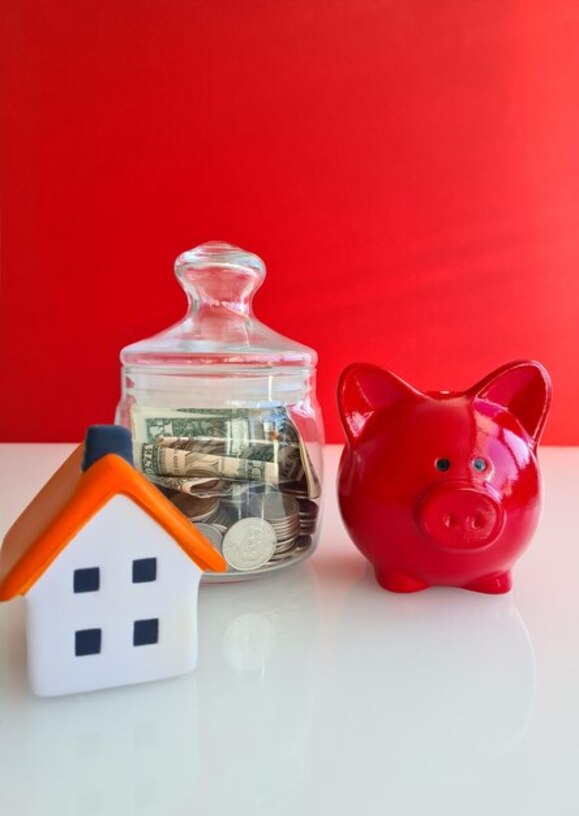
Creating a clear and secure financial plan for your home purchase is essential to achieve that dream we all long for. In this article, I will guide you through the necessary steps to establish a solid plan that allows you to save effectively and acquire the house you desire without compromising your personal finances. It doesn't matter if you are a first-time buyer or if you already have experience; here you will find the necessary tools to make informed and secure decisions on the path to your new home.
Understanding the total cost of buying a home
When considering the purchase of a home, it is essential to understand that the total cost goes beyond the sale price. Many first-time buyers tend to focus solely on the amount needed for the mortgage; however, there are multiple additional factors that must be considered. These can include property taxes, insurance, closing costs, and even unexpected expenses related to repairs or maintenance. Having clarity about these costs will help create a realistic budget and avoid unpleasant surprises during the buying process.
It is also vital to evaluate the costs associated with housing financing. This includes not only the down payment required by the lender but also interest rates and other recurring charges that may arise over time. A good financial plan should consider a projection of monthly payments and how these fit into your current and future financial situation. By having a complete understanding of the total cost of acquiring and maintaining a home, you will be able to make more informed decisions that will bring you closer to achieving your dream without jeopardizing your economic stability.
Advertisements
Setting realistic financial goals
Setting realistic financial goals is a crucial step in planning your home purchase. Before diving into the search for your new home, it is essential to evaluate your current economic situation and determine how much you can afford to spend without jeopardizing your financial stability. Start by analyzing your monthly income, fixed expenses, and available savings. From this assessment, you can establish a clear budget that allows you not only to cover the cost of the home but also to maintain a comfortable and healthy lifestyle once you move in. Once you have a clear idea of your finances, set specific and achievable goals regarding the purchase of your house. Consider various aspects such as the down payment amount, monthly payments, and costs associated with the acquisition (taxes, insurance, and maintenance). Breaking these goals into shorter time frames can make them easier to achieve; for example, you could aim to save a certain amount each month or reduce specific expenses to increase your fund for the purchase. Remember that being flexible and adjusting your goals as needed will help you stay motivated in this process without feeling overwhelmed.
Creating an effective budget for saving
Creating an effective budget is essential to achieve your savings goals and, consequently, make the purchase of your home a reality. Start by assessing your monthly income and spend only what you really need. Make a list of all your fixed expenses, such as rent, utilities, and food, as well as the variable expenses you can control, such as entertainment and personal shopping. This will give you a clear view of your current financial situation and identify areas where you can cut expenses to allocate more money to savings.
Once you have established your expenses, the next step is to set a specific savings goal. Determine how much you need to save for the down payment and other costs related to buying a home. Divide this amount by the remaining months until you wish to buy your house to know how much you should save each month. Consider opening a dedicated savings account for this purpose; this way, you can keep your funds separate and visualize them better as you reach milestones on your path to homeownership. Remember that being consistent and disciplined in your budget will be key to achieving that long-desired dream without jeopardizing your financial stability.
Financing options: which one is best for you?
When looking for financing options for home purchase, it is crucial to understand the various alternatives available and how they can fit your financial situation. Among the most common options are traditional mortgages, which offer fixed or variable rates, as well as FHA and VA loans, which are designed to assist buyers with fewer resources or those who are veterans. Each type of loan has its own characteristics, requirements, and benefits, so it is essential to evaluate which one aligns best with your financial needs and payment capacity.
In addition to conventional mortgage loans, there are also government programs and financial assistance for first-time buyers that can make the process easier. Consider researching local or state grants that may offer you help with the down payment or closing costs. It is important to compare not only interest rates but also loan terms, fees, and any prepayment penalties. Taking the necessary time to analyze all these options will ensure that you choose the best alternative to finance your new home without jeopardizing your long-term economic stability.
The importance of credit history in your purchase
A solid credit history is a crucial component in financial planning for purchasing a home. This document reflects your behavior as a borrower, including your on-time payments, debt management, and credit usage. A good credit history will not only help you access lower interest rates, which can mean significant savings in the long run, but it will also give you access to a greater number of options in terms of mortgages. Therefore, it is vital to review and improve your credit history before starting the buying process.
Additionally, having a good credit history builds trust among lenders. When you demonstrate that you are responsible with your finances, you are more likely to get approved for higher loans and favorable terms. Make sure to pay your bills on time and keep your credit card balances low; these habits will not only improve your credit score but also better prepare you to negotiate the best deals when financing your home. Remember that every point counts in your credit score and can directly affect the total cost of your new house.
Smart saving strategies for the down payment
To gather the necessary money for the down payment on your new home, it is essential to implement smart saving strategies that fit your lifestyle and budget. One of the most effective tactics is to establish a dedicated savings account for the down payment, where you can deposit a fixed amount each month. This will not only help you keep your savings organized, but it will also allow you to visualize your progress toward the goal. Consider automating your transfers at the beginning of the month, right after you receive your paycheck; this way, you will avoid the temptation to spend that money on other things.
Another key strategy is to review and adjust your monthly expenses. Conduct a detailed analysis of your personal finances and look for areas where you can cut unnecessary costs, such as subscriptions or dining out. Set a budget that prioritizes saving for the down payment over other temporary luxuries. Additionally, consider generating extra income through freelance work or selling items you no longer need; every little bit of income can significantly contribute to your down payment fund and speed up the process towards buying your dream home.
Practical tips to stay motivated in your financial plan
Staying motivated in your financial plan can be a challenge, especially when the path to buying a home can seem long and full of obstacles. An effective way to maintain motivation is to set concrete and realistic goals. Break your main objective into smaller milestones, such as saving a specific amount each month or reducing certain expenses. By celebrating each achievement, no matter how small, you will realize the progress you are making, and this will fuel your desire to keep going. Remember that every step counts, and in the end, you will get closer to your goal.
Another strategy to stay focused is to visualize the final result: your future home. Create a vision board that includes images of houses that inspire you, as well as notes on what it means for you to be a homeowner. This tangible representation of your dreams can serve as a constant reminder of why you started this journey. Additionally, surrounding yourself with people who have similar goals or seeking online support groups can provide you with the extra motivation needed to stay on the right path toward your ideal home.
Advertisements
More in Saving for Housing

Finance and Planning, Saving for Housing
How to secure your housing investment through strategic saving.

Finance and Planning, Saving for Housing
Navigate the financial maze to acquire your desired home.

Finance and Planning, Saving for Housing
Build your financial confidence by acquiring your new home.

Finance and Planning, Saving for Housing
Financial strategies for achieving a secure home purchase
Most viewed in Finance and Planning

Finance and Planning, Mortgage Loans
Keys to negotiate better terms on your mortgage

Finance and Planning, Financial Planning
Dollars or colones: where colón buyers face less competition

Finance and Planning, Housing Costs
Where US$200,000 buys a house in Alajuela

Finance and Planning, Insurance
How to choose a home insurance that fits your budget