
Discover how to avoid common mistakes when saving for your home.
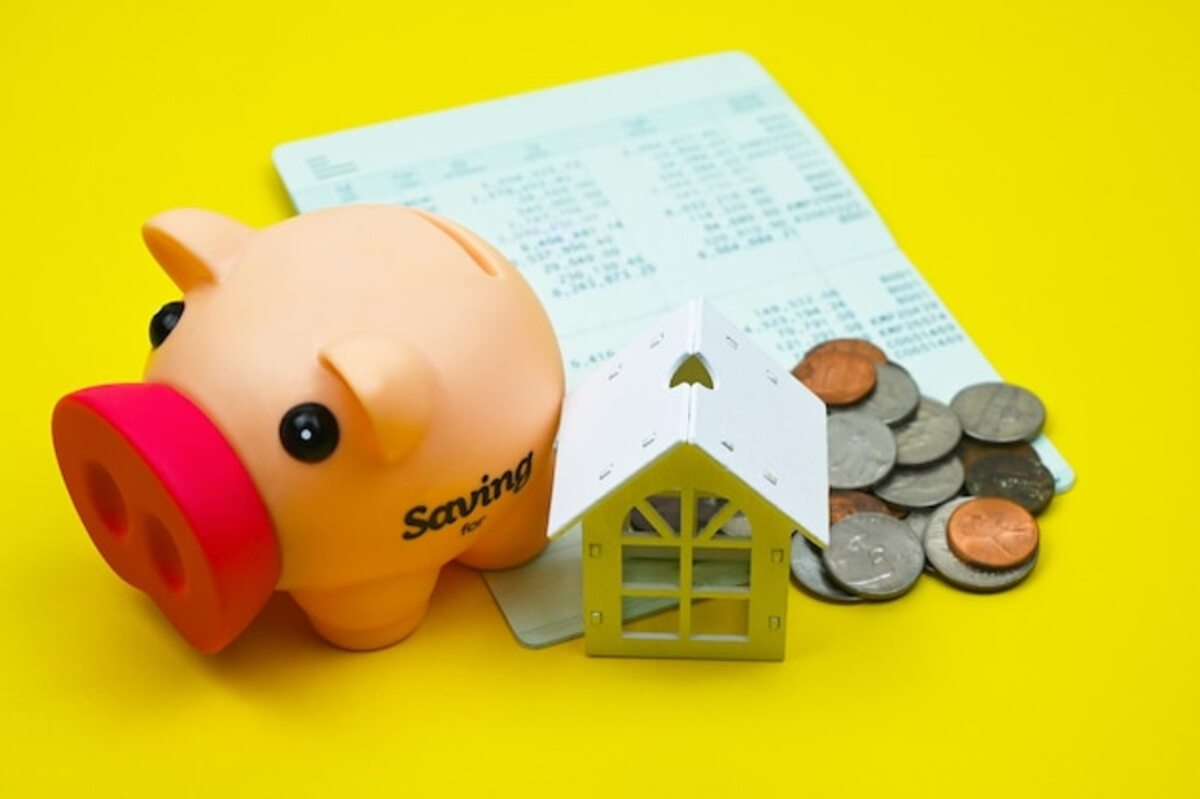
Discover how to avoid common mistakes when saving for your home. Saving to acquire the house of your dreams can be a path full of obstacles, but with the right strategy, you can navigate the most frequent mistakes that affect many savers. In this article, we will share valuable tips and tricks that will help you maximize your saving capacity, avoiding costly detours in the process. Get ready to transform your approach to saving and take firm steps towards the home you desire.
Set clear and achievable savings goals.
Setting clear and achievable savings goals is the first fundamental step to avoid common mistakes when saving for your home. Without a concrete direction, it’s easy to become discouraged or lose focus in the face of unexpected situations that may arise. Start by defining how much you need to save and in what timeframe you wish to achieve it. This will not only provide you with a tangible goal, but it will also allow you to measure your progress and adjust your efforts as needed. For example, if you aim to buy a house in five years, you can break down the total amount you need into more manageable monthly contributions.
Additionally, it is crucial that your goals are realistic and align with your current financial situation. Consider factors such as your income, monthly expenses, and any existing debt before setting a specific amount for your savings. By establishing achievable goals, you will be more motivated to meet them and avoid the frustration of trying to reach unrealistic figures. It may also be helpful to create a separate emergency fund; this will allow you to handle unexpected expenses without significantly affecting your housing savings plan. Ultimately, well-defined goals are the foundation upon which you will build your path to the dream home.
Advertisements
The importance of a realistic budget
A realistic budget is the fundamental basis for any effective savings plan. When establishing a budget, it is crucial to assess your income and expenses honestly, identifying areas where you can cut costs without sacrificing your quality of life. A practical approach involves categorizing your expenses into essential and non-essential, which will allow you to allocate a significant portion of your income to your housing savings fund. Be sure to include a margin for unforeseen events; this will prevent you from feeling overwhelmed if unexpected expenses arise, keeping your motivation intact towards the final goal.
A realistic budget is not just about numbers, but also about discipline and flexibility. It is important to review and adjust your budget regularly to reflect changes in your financial circumstances or personal priorities. For example, if you receive a salary increase or decide to make additional cuts in certain temporary luxuries, these adjustments can accelerate your saving capacity. Remember that every little effort counts and that maintaining a clear and adaptable focus will bring you closer to acquiring your desired home without falling into common mistakes that can derail your financial progress.
Know the available financing options
Knowing the available financing options is a crucial step on the path to acquiring your home. Often, savers focus solely on gathering the necessary capital for the down payment, without considering that there are various financing alternatives that can facilitate their purchase and make it more accessible. From conventional mortgages to government programs with preferential rates, it is essential to research and understand each available option. This will not only allow you to choose the alternative that best fits your financial needs but will also help you avoid unpleasant surprises in the future.
Additionally, being informed about the different financing options can save you a significant amount of money in the long run. Each type of loan has its own conditions and requirements, so knowing each one well will give you the advantage needed to negotiate better terms. For example, some institutions offer special deals for first-time buyers or tax incentives that can ease the initial financial burden. Taking the time to explore these possibilities can make the difference between having a manageable mortgage and facing unexpected financial difficulties when acquiring your dream home.
Avoid unnecessary expenses during the saving process.
Saving for the purchase of a home involves making conscious and strategic financial decisions. One of the most common mistakes is getting carried away by unnecessary expenses that can derail your savings goals. It is essential to evaluate every expense you make, from everyday purchases to additional services that are not essential. Creating a detailed budget will allow you to identify areas where you can cut costs and redirect those funds towards your savings. Remember that every little effort counts on the path to your ideal home.
It is also important to establish clear priorities when it comes to spending. Ask yourself if what you are about to acquire truly contributes to your long-term goals or if it is simply a momentary whim. Often, promotions and offers can tempt savers into making impulsive purchases that were not planned in their original budget. Maintaining a savings-focused mindset will help you resist temptation and make smarter choices, ensuring that every euro counts on your journey toward the desired property.
Save for unexpected housing expenses.
Saving for unexpected housing-related expenses is an essential strategy that should not be overlooked in your savings plan. Often, future homeowners focus solely on the down payment and closing costs, but it is crucial to recognize that surprises can arise at any time. From unexpected repairs to increases in utility bills, having a specific fund for these unforeseen events will provide you with the peace of mind necessary to handle any situation without affecting your savings intended for purchasing the house. A good rule of thumb is to allocate a percentage of your total monthly savings to this emergency fund. Consider setting up a separate account where you can accumulate this money, allowing you to see how your financial cushion for covering those unexpected expenses grows. By doing so, you will not only protect your largest investment but also avoid the financial stress that can accompany unexpected situations. Remember that being prepared is key to staying focused on your ultimate goal: acquiring the home of your dreams without setbacks or additional worries.
Use digital tools to track your progress
To achieve your savings goals, it is essential to have digital tools that help you track your progress. Financial management apps and spreadsheets are valuable resources that allow you to record your income, expenses, and savings clearly and accessibly. By using these tools, you will be able to visualize how each financial decision impacts your journey towards buying your home. Additionally, many apps offer features such as payment reminders and alerts about goal compliance, which will help you stay focused and motivated. Another advantage of digital tools is the ability to set specific goals and deadlines to reach them. By defining a clear objective, such as saving a certain amount for the down payment, you can break that figure down into more manageable monthly contributions. This not only makes the process less overwhelming, but you can also see how each small step contributes to the final achievement. Through charts or periodic reports offered by some apps, you will be able to observe your progress and make adjustments if necessary, thus ensuring that you stay on the right path towards the home of your dreams.
Tips to stay motivated while saving
Maintaining motivation while saving can be one of the biggest challenges on the path to acquiring your home. It is common that, when starting this process, the initial excitement is overshadowed by routine and financial difficulties. To prevent this from happening, set short-term and long-term goals: celebrate every small achievement, such as reaching a specific amount in your savings account or cutting unnecessary expenses. These victories will remind you of the progress you are making and drive you to continue with greater determination. Additionally, surrounding yourself with a positive environment is essential for maintaining motivation. Sharing your goals with friends and family can provide an invaluable support system; they can offer you words of encouragement and helpful advice during tough times. Also, consider visualizing your future home: create a dream board with images and inspirations that reflect what you wish to achieve. This constant reminder of the ultimate goal can make the sacrifice worthwhile and keep you focused on your main objective.
Advertisements
More in Saving for Housing

Finance and Planning, Saving for Housing
How to secure your housing investment through strategic saving.

Finance and Planning, Saving for Housing
Navigate the financial maze to acquire your desired home.

Finance and Planning, Saving for Housing
Build your financial confidence by acquiring your new home.

Finance and Planning, Saving for Housing
Financial strategies for achieving a secure home purchase
Most viewed in Finance and Planning

Finance and Planning, Mortgage Loans
Keys to negotiate better terms on your mortgage

Finance and Planning, Financial Planning
Dollars or colones: where colón buyers face less competition

Finance and Planning, Housing Costs
Where US$200,000 buys a house in Alajuela

Finance and Planning, Insurance
How to choose a home insurance that fits your budget